
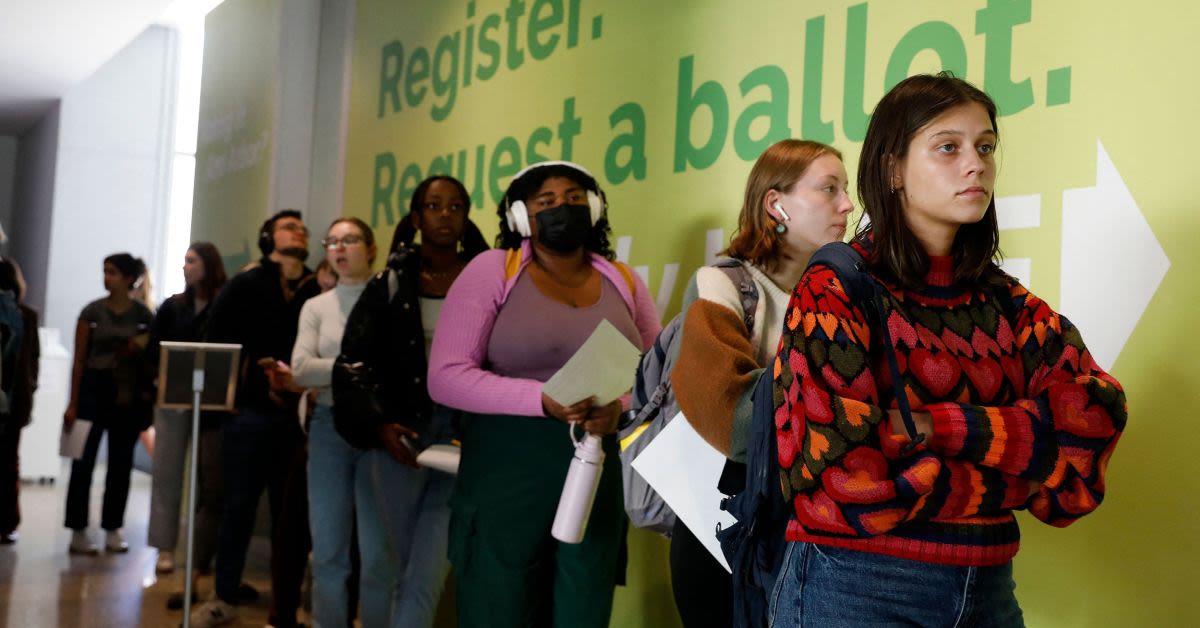
The Supreme Court has allowed New Hampshire to bar the use of student identification cards in this Novembers elections, reinforcing state authority to set basic safeguards around ballot access in a year when control of the Senate may hinge on a single seat.
According to the Daily Caller, the justices on Thursday granted New Hampshires emergency application to halt a lower court ruling that had temporarily loosened the states voter ID requirements. The order arrives as former Republican Sen. John E. Sununu faces Democratic Rep. Chris Pappas for retiring Democratic Sen. Jeanne Shaheens seat, a contest Cook Political Report now rates as Lean Democrat after earlier polling showed a dead heat.
The Republican National Committee supported the states petition, underscoring how central election-integrity battles have become to national politics under President Trumps second administration. The Supreme Courts majority relied on a long-standing principle that federal courts should avoid rewriting election rules on the eve of voting, and concluded there was no sufficient justification for the district courts late intervention.
U.S. District Judge Joseph Laplante had upheld the underlying law in early October but blocked a directive from Republican Secretary of State David Scanlan that extended beyond the statute, The Boston Globe reported. When the Boston-based 1st U.S. Circuit Court of Appeals declined to stay Laplantes order, New Hampshire turned to the high court for relief, according to NBC News.
Republican state Rep. Ross Berry, who chairs the New Hampshire House Election Law Committee, blasted Laplantes move as the work of another Liberal judge, according to The Boston Globe. His criticism reflects a broader conservative concern that unelected federal judges have too often stepped in to dilute state-level election security measures enacted by Republican legislatures and governors.
Justice Ketanji Brown Jackson, who oversees emergency matters from the 1st Circuit, initially received the filing and then referred it to the full court, according to SCOTUSblog. She ultimately emerged as the lone dissenter, staking out a position more deferential to the lower courts attempt to reshape how election information is communicated just months before ballots are cast.
Republican Gov. Kelly Ayotte signed House Bill 323 on April 3, the Valley News reported. The law, which removed student IDs from the list of acceptable identification for receiving a ballot, took effect June 2 after passing on party lines, and Scanlan later extended that restriction to voter registration as well, according to the New Hampshire Bulletin.
Democratic state House Minority Leader Alexis Simpson claimed the measure was a partisan ploy, alleging it was designed to tilt the playing field against his party. Eligible voters have a fundamental right to cast a ballot, and deliberately removing ways to prove identity is voter suppression, he said, according to InDepth NH, adding, If Republicans had an agenda Granite Staters wanted, they would run on that instead of attacking the right to vote.
Jackson argued that the trial court had not altered the rules but had instead corrected misinformation about them, according to her opinion. I respectfully dissent becauseeven, and perhaps especially, when an election is loomingI would not disturb a clearly justifiable federal-court order issued to ensure that the public receives accurate information about a States electoral processes, Jackson wrote.
The Supreme Courts stay will remain in place through the 1st Circuit appeal and any subsequent petition to the justices, the order states. While the lawsuit proceeds in district court, New Hampshires elected leaders retain the ability to enforce tighter ID standards that many conservatives view as essential to preserving confidence in the ballot box, even as Democrats continue to frame such measures as suppression rather than protection of the vote.
Login