
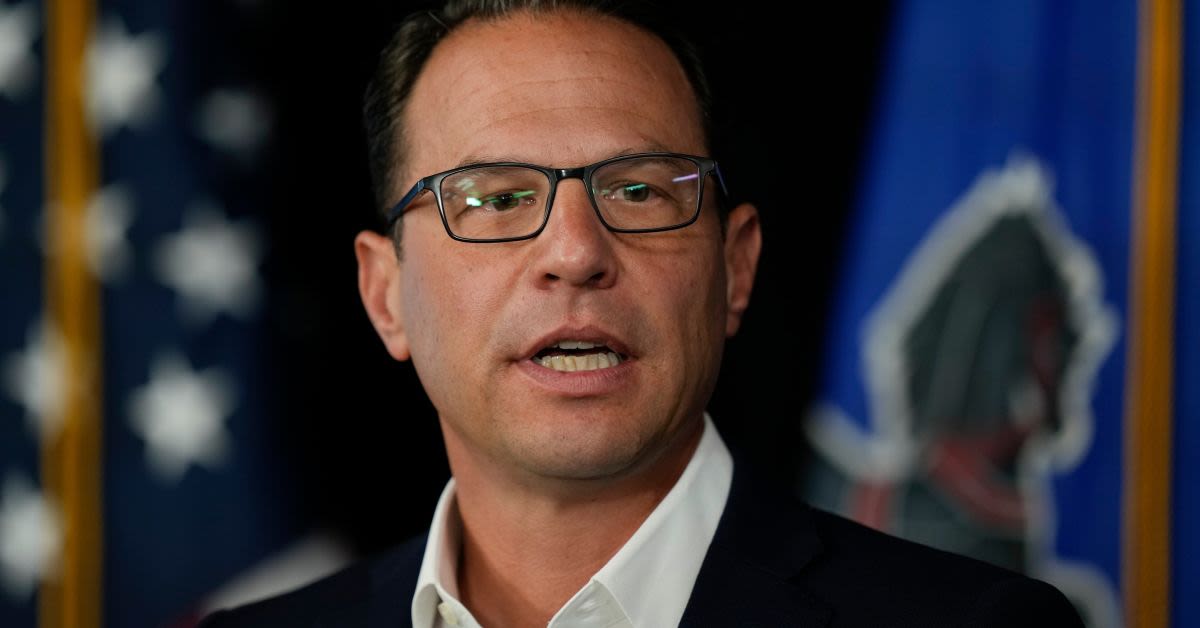
Pennsylvania Republicans are sounding the alarm over a sweeping 502-page overhaul of state disease-control regulations that they say would open the door to warrantless home entries, expanded surveillance, and renewed pandemic-style mandates.
The regulatory package, drafted by Democratic Gov. Josh Shapiros Department of Health and signed by Health Secretary Debra Bogen, was submitted in June to the states Independent Regulatory Review Commission (IRRC) for consideration. According to Western Journal, the proposal covers both communicable and noncommunicable diseases and represents the first major rewrite of these rules in roughly a quarter-century.
In a sharply worded statement, Senate Republicans warned that the new rules would empower state and local health officials to enter any home, school, apartment, healthcare facility or other building without a warrant. They further cautioned that the department could speak to a student in private without the consent or knowledge of a parent, raising immediate concerns about parental rights and government overreach.
The Senate GOPs summary directs attention to specific sections of the proposal, citing pages 66 and 208-209 as the basis for expanded entry authority. It also points to pages 66-67 and 211 as the source of language that would allow private conversations with students, a provision that conservatives argue undermines the role of parents in overseeing their childrens medical and personal information.
Beyond physical access to homes and schools, Republicans say the package would significantly broaden the states reach into private health data. Their summary highlights provisions for wider access to health records, the creation of a mandatory statewide vaccination database, and sweeping authority to impose statewide mask mandates and other mitigation measures reminiscent of the COVID-19 era.
IRRC Executive Director David Sumner underscored the magnitude of the filing, calling it one of the most significant rulemakings to come through our door in the last few years. He said the commission will evaluate the proposal for reasonableness, clarity, and compliance cost, and noted that the full regulatory process could stretch out for as long as two years before any final decision is made.
The public comment period on the proposal was scheduled to close Monday, drawing intense interest from citizens wary of repeating the heavy-handed public health responses of recent years. Republican state Rep. Kathy Rapp of Warren County reported that more than 4,000 comments had already been submitted, with the overwhelming majority opposing the new rules.
Democrats, however, are pushing back on the criticism and defending the need for an update. Democratic state Rep. Arvind Venkat, a physician from Allegheny County, dismissed GOP concerns, saying Republicans are jumping to extreme conclusions, and argued that the regulations must be modernized to address new diseases and other developments in the 25 years since the last major overhaul.
House Health Committee Chairman Dan Frankel, a Democrat, wrote to IRRC in support of the departments disease-prevention efforts and its plan to expand vaccine tracking. At the same time, he suggested refining the language regarding the ages of minors who might be approached in schools, remarking that a first-grader is not the same as a high school senior.
Rapp, the ranking Republican on the House Health Committee, countered that the proposal, as written, hands broad, unchecked authority to unelected bureaucrats. For conservatives already skeptical of administrative power, her warning reflects a deeper concern that the regulatory state is being used to bypass elected lawmakers and the will of voters.
Republican state Rep. Russ Diamond of Lebanon County predicted a legal showdown if the regulation is enacted in its current form, declaring, I guarantee you there will be constitutional lawsuits. He branded the package COVID 2.0, signaling fears that the same emergency powers used during the pandemic are being quietly repackaged into permanent regulatory authority.
Diamond also pointed to a 2021 statewide referendum in which voters approved limits on gubernatorial disaster declarations, capping them at 21 days unless the legislature votes to extend them. He argued that the new proposal attempts to skirt and circumvent that constitutional power by giving the Department of Health all the powers the people objected to, effectively shifting emergency-style authority from the governors office to the bureaucracy.
In its filing, the Department of Health contends that the rewrite is aimed at improving public health, not expanding state power. The department says the changes would expand the list of reportable diseases and conditions, update expert guidance, and reduce the spread of disease, framing the overhaul as a technical and scientific update rather than a political maneuver.
A spokeswoman for the department insisted that the proposal does not create new legal authority to enter private residences or alter how the agency treats private property, asserting instead that it clarifies the authority that already exists in statute. On the contentious issue of student interviews, the department said the language is meant to provide transparency about ongoing investigative work, not to grant new power to speak to children without parental consent.
Senate Republicans maintain that the risks are too great and that the package should be pulled back or blocked. They noted that Shapiro or the Department of Health could withdraw the proposal at any time, or IRRC could reject it outright, preventing the rules from taking effect.
Thousands of public comments have already been posted on the IRRC website, reflecting a high level of civic engagement on an issue that touches on privacy, parental rights, and the balance between public health and personal liberty. Sumner observed that a previous greenhouse gas rulemaking drew about 30,000 comments, suggesting that if opposition continues to mount, this health regulation fight could become another flashpoint in the broader debate over how far government should go in the name of safety.
Login