
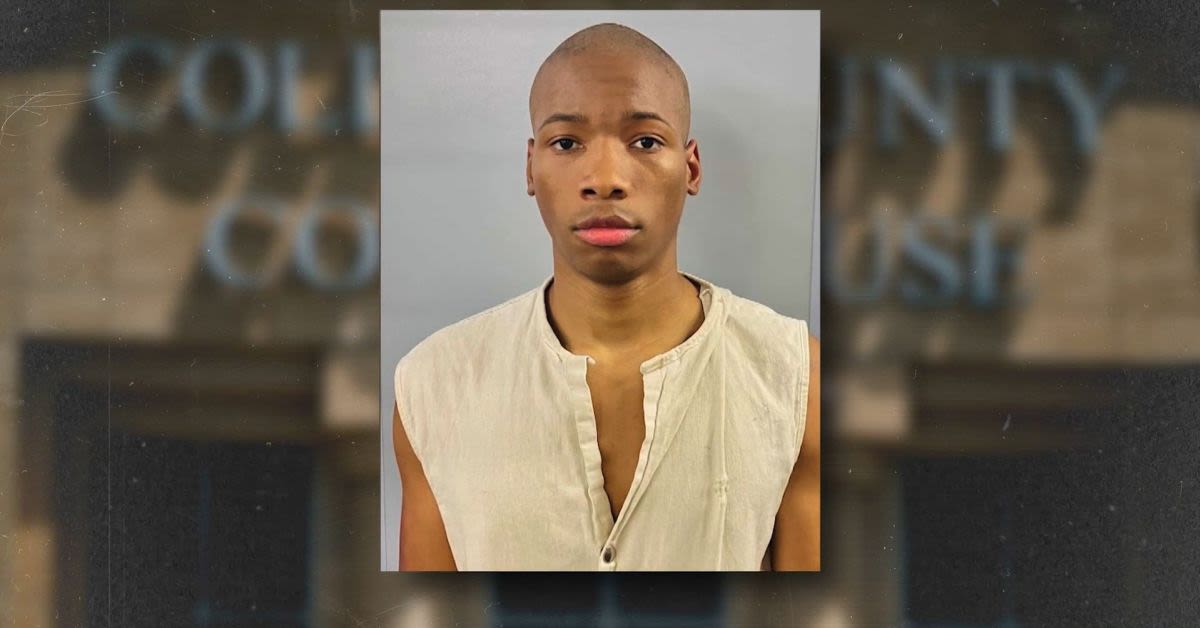
The jury that found Texas teenager Karmelo Anthony guilty of murdering 17-year-old Austin Metcalf never saw the full portrait of the young man prosecutors had quietly assembled before trial.
According to RedState, that fuller picture has now emerged in the form of a 75-page prosecution filing, released through an open-records request, that lays out a disturbing pattern of alleged threats, assaults, weapons incidents, and violent messages attributed to Anthony in the months and years leading up to the fatal stabbing at a high school track meet on April 2, 2025. Formally titled the states Notice of Intent to Use Extraneous Offenses, the document was obtained from Collin County and made public in redacted form by Texas activist Sarah Fields, whose efforts have drawn renewed scrutiny to the case.
Major outlets including Fox News, the New York Post, and the Daily Mail have since reported extensively on the filings contents, underscoring just how much the jury was not allowed to hear.
What emerges from those 75 pages is a portrait of a teenager prosecutors say was steeped in violence, intimidation, and escalating threats long before he plunged a knife into Metcalfs chest.
According to the filing, Anthony repeatedly threatened people with shootings, discussed robberies, was accused of assaulting his girlfriend, talked about bringing weapons to school, and appeared in photographs and videos holding firearms.
One video cited by prosecutors allegedly shows Anthony pointing what appears to be a gun toward a house before running away, a chilling foreshadowing of the violence that would later unfold.
There are also messages attributed to Anthony in which he describes his own rage in stark, almost boastful terms:
When I get mad i see red.
When I get mad i blackout.
When I get mad i cant control myself.
When I get mad my eyes change color.
Prosecutors say those messages were sent more than a year before the confrontation with Metcalf that ended in murder, suggesting a longstanding pattern rather than a sudden snap.
The same December exchange allegedly included Anthony describing an assault on someone who had posted online about smoking his cousin, an incident he appeared to recount with pride.
He posted where he was at and we pulled up and got em, Anthony wrote, according to the filing, a line that reads less like a teenagers idle talk and more like a confession of premeditated violence.
By May 2024, prosecutors say, the rhetoric had escalated into explicit threats involving firearms, with Anthony allegedly targeting specific individuals.
im shooting her, Anthony allegedly wrote about one woman, a blunt and chilling statement that prosecutors included among the extraneous offenses.
Then came an alleged threat against his girlfriend, Valeria Torres Perez, in which the language turned even more graphic and personal.
how many bullets uu want coming out of ur chest, Anthony allegedly wrote to Torres Perez, according to the states notice.
Six days later, prosecutors say, he threatened her again in cruder but equally menacing terms: imma beat ur a--.
The filing asserts that the pattern did not stop there, but instead intensified as the months went on.
Prosecutors allege that Anthony made additional gun threats that September, used the phrase gun to the head, discussed cutting someones brake lines, and later referenced shooting something up, gloves, rope, and obtaining a switch, a device used to convert a firearm into a fully automatic weapon.
A November 2024 video allegedly showed Anthony holding what appeared to be a firearm, reinforcing the states contention that his threats were not merely rhetorical.
Then came January 4, 2025, when, according to the court filing, a video appears to show Anthony aiming what looks like a gun toward a residence before running away.
As the date of Metcalfs killing drew closer, the allegations continued to accumulate, painting a picture of a young man spiraling deeper into violence.
Prosecutors say Anthony discussed committing robberies in January, was suspended for fighting in February, and that same month allegedly discussed buying a gun and extended magazine and separately discussed carrying a firearm.
Then, less than a month before Metcalf was killed, prosecutors say Anthony sent Torres Perez one of the most disturbing messages in the entire file.
imma f------ murder u yo friends go die sho them ts, he allegedly wrote, a threat that, in hindsight, reads like a grim warning of what was to come.
The notice further alleges that Anthony assaulted Perez on March 14 and threatened her with a deadly weapon less than two weeks later, suggesting that his violence was not confined to words.
By the time April 2 arrived, the day Metcalf was killed, the pattern of alleged conduct had become impossible to ignoreat least outside the courtroom.
Hours before Anthony stabbed Metcalf, Torres Perez reportedly went to school staff and accused him of stalking her, saying he had been driving past her house and refusing to accept the end of their relationship.
Meanwhile, shortly before 1 a.m. that morning, Anthony had sent another cryptic message: im lowk on the verge.
Roughly 35 minutes later, he repeated and emphasized the same phrase, according to the filing, though the document does not specify the exact wording of the second message.
The filing does not establish what Anthony meant by on the verge, but its timinghours before the killing and amid the other alleged conduct prosecutors cataloguedis striking and deeply unsettling.
In June, a Collin County jury rejected Anthonys self-defense claim and convicted him of murder, sentencing him to 35 years in prison.
Yet the jury reached that verdict without hearing much of the extraordinary history prosecutors had collected, a history that now casts his defense in an even harsher light.
During Anthonys subsequent effort to secure a new trial, attorneys revealed that prosecutors and the original defense team had reached an informal gentlemans agreement before trial.
Both sides agreed to avoid introducing damaging character and background evidence and instead focus narrowly on what happened under the tent immediately surrounding the stabbing.
In return for keeping that material away from the jury, prosecutors largely kept Anthonys broader history away from jurors as well, effectively sanitizing the context in which the killing occurred.
Prosecutor Bill Wirskye later explained the arrangement succinctly: Let's stay away from historical character and stick to the facts what happened under the tent.
The jury, notably, did not need any of that background to convict him, which underscores just how strong the evidence was on the core facts of the crime.
The 75-page filing does not alter the verdict, but it does provide damning context for those who rushed to support Karmelo Anthony in the aftermath of the brutal killingsupport that, in many cases, appeared rooted less in facts than in identity politics.
All of this raises uncomfortable questions about a culture that too often excuses or minimizes violent behavior when it fits a preferred narrative, while vilifying law enforcement and prosecutors for doing their jobs.
Right and wrong isnt about skin color, and the Karmelo Anthony case is yet another demonstration of that irrefutable fact, a reminder that justice must rest on evidence and accountability, not on fashionable grievances or racial solidarity.
Login