
Squatters seizing control of homes they neither own nor have any legal right to occupy are rapidly becoming a flashpoint in Americas broader breakdown of property rights and public order.
According to WND, the surge in squatting cases has coincided with the Biden administrations unprecedented influx of illegal aliens, soaring housing costs, and a host of economic pressures that have strained communities nationwide. At the heart of the problem are state adverse possession statutes, originally intended to resolve long-term property disputes, which are now being twisted by opportunists to claim rights they were never meant to have.
Compounding the crisis, so-called self-help evictions are widely prohibited, meaning that homeowners cannot simply change the locks, shut off utilities, or remove intruders belongings without risking legal trouble themselves. Instead, property owners are forced into lengthy and expensive court battles, filing motions, waiting for hearings, and enduring months or even years of delay while strangers occupy and often destroy their homes.
In many cases, squatters slip into vacant properties; in others, they refuse to leave after a lease ends, exploiting legal gray areas and bureaucratic inertia. One state, however, has decided to draw a firm line, with lawmakers declaring that enough is enough and moving to protect homeowners by making squatting a criminal offense rather than merely a civil dispute.
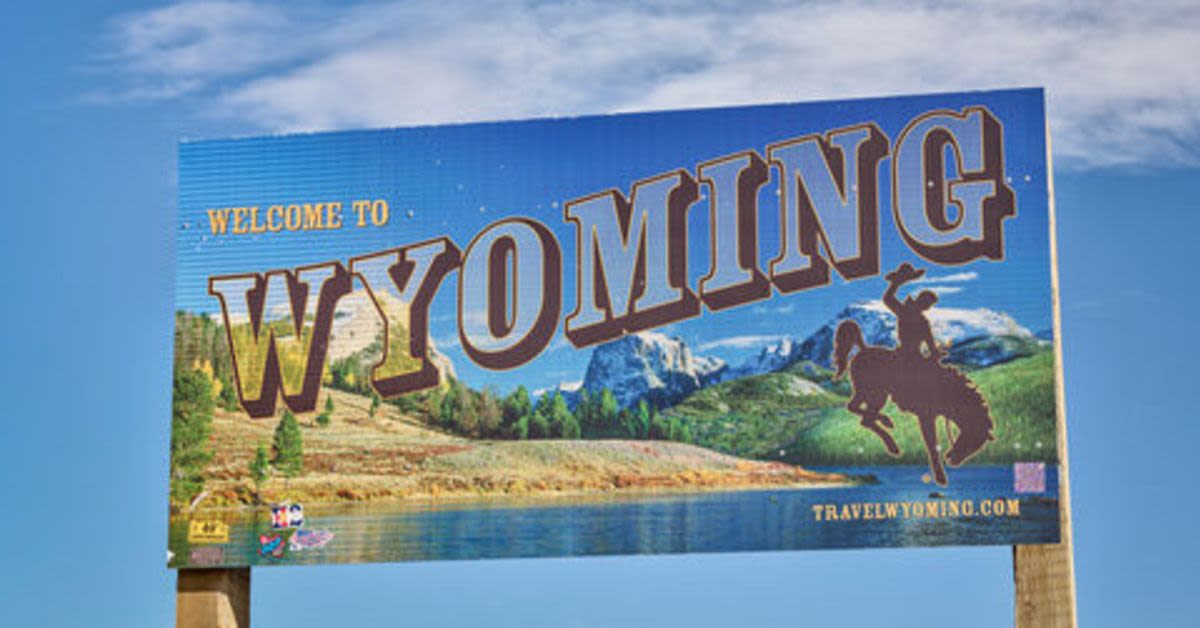
A report at Cowboy State Daily detailed how Wyomings new law has already been put to the test in a case near Cheyenne, where squatters had broken into a locked home, moved in, and begun selling off the owners possessions. When confronted, they brazenly informed the rightful owner that they were squatters and claimed they had rights to remain on his property.
Then they were arrested and taken to the Laramie County Detention Center, the report said, underscoring how the new statute empowers law enforcement to act swiftly. Under the law, officers can immediately remove squatters if the homeowner can demonstrate that the occupants are there illegally, short-circuiting the drawn-out civil process that has emboldened trespassers elsewhere.
The law is carefully tailored to exclude legitimate disputes involving former tenants, co-owners, family members, or romantic partners, focusing instead on those who have no lawful claim to be there. Boy, its heartwarming that maybe we got out ahead of something there, said state Sen. Bill Landen, R-Casper, who chaired the Joint Judiciary Interim Committee in 2024 that advanced the measure.
No question thats what we want it to do, he said about Mondays incident. We talked about it based on testimony we received from homeowners, and its a real issue. Its something going on nationwide. We found Wyoming indeed had situations like that.
Lawmakers had been inundated with horror stories: intruders moving in, trashing homes, and turning once-stable neighborhoods into legal and financial nightmares for law-abiding owners. Landen recalled one duplex in Casper that suffered extensive damage, costing thousands of dollars to repair after squatters took over and left the property in ruins.
In the Cheyenne case, authorities arrested 40-year-old Crystal Curiel and 40-year-old Salvador Curiel-Aviles at the scene, and both now face multiple felony charges. The homeowner told investigators the house had been vacant for several years, but he checked on it weekly to ensure it remained secure.
On his latest visit, he discovered an open window, personal belongings strewn across the lawn, and outbuildings that had been broken into and ransacked. As (he) opened the door, a female, later identified as Crystal Curiel Ramirez, was walking toward him from inside of the house, a law enforcement affidavit said Crystal said something like, Please let me get my stuff and I will get out. She also said she was cleaning up the property for him.
Moments later, Curiel-Aviles appeared, and both suspects tried to educate him on why they thought he had to let them keep squatting in the house. Crystal and Salvador both mentioned they are squatters and he cannot make them leave because they had squatter rights numerous times throughout the encounter, Deputy Michael Hauf documented.
Landen said, Its this, You cant touch us attitude and boy, that didnt sit well with our committee and didnt sit well with the full Legislature. The attitude of people who think they can just take over your house.
The crucial shift in Wyoming is that squatting is now treated as a criminal act, not merely a civil disagreement, restoring the presumption that private property is to be respected and defended. In this case, the pair are accused not only of unlawful occupation but also of the disappearance of a motorcycle, tools, and other items, raising the stakes significantly.
Each defendant could face up to 30 years in prison if convicted, a stark warning to would-be squatters that Wyoming will not tolerate the casual theft of homes and livelihoods. At a time when progressive jurisdictions often side with trespassers and tie the hands of property owners, Wyomings approach offers a model of how states can reassert the rule of law, protect citizens rights, and push back against a culture that treats other peoples property as up for grabs.
Login