
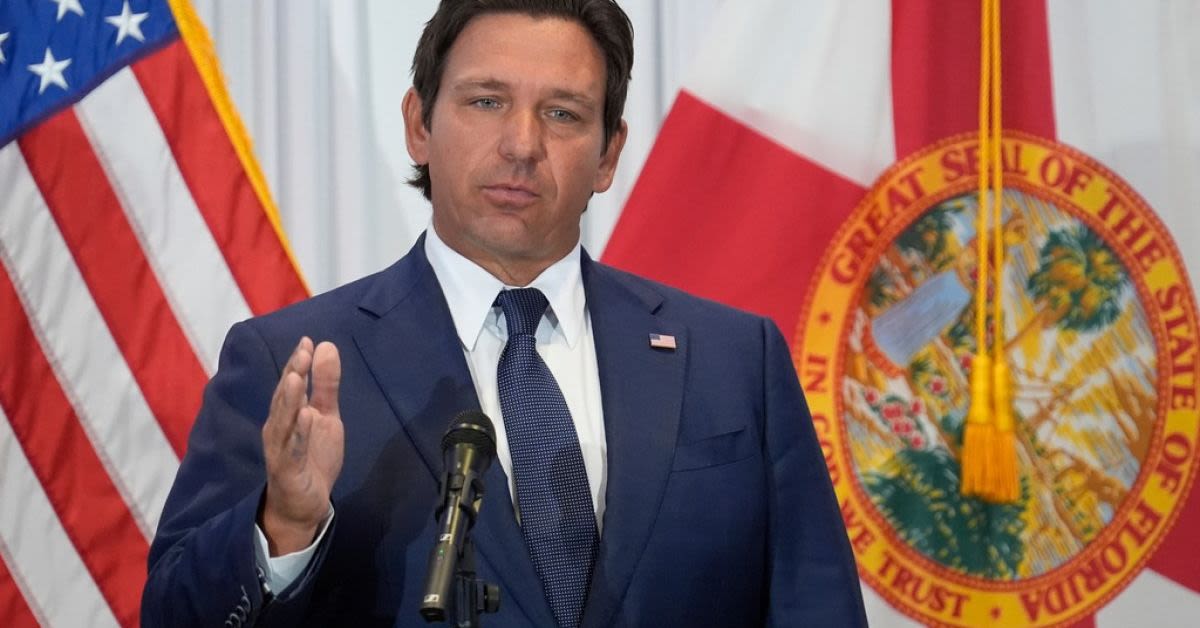
Republican Florida Gov. Ron DeSantis has moved to make his state the first in the nation to bar welfare recipients from spending taxpayer-funded benefits on non-essential items, including tattoos and vapes.
According to the Daily Caller, Florida will amend its Temporary Assistance for Needy Families (TANF) State Plan to block the use of Temporary Cash Assistance (TCA) for inappropriate, luxury, and non-essential items. In addition to tattoos and vaping products, the new rules will prevent TCA funds from being used to purchase drugs, video games, pornography, entertainment subscriptions, and even fortune-telling services.
DeSantis emphasized that the reforms are aimed at restoring integrity to welfare spending, not abandoning the vulnerable. Florida, he said, will continue to support residents who genuinely need assistance.
Florida has become the first in the nation to set guardrails on our TANF State Plan to stop these taxpayer-funded benefits from being used to purchase inappropriate, luxury, and non-essential goods and services. Taxpayer-funded assistance should help families put food on the table, keep the lights on, purchase clothing, provide for their children and overcome barriers on the path toward independence.
We will continue supporting Floridians who genuinely need assistance, while working to improve accountability and transparency so that these programs operate as intended. Eligible residents currently receive roughly $250 per month in TCA funds loaded onto an Electronic Benefit Transfer (EBT) card.
Those benefits are intended to cover basic necessities such as food, clothing, housing, and personal care items, not lifestyle extras. EBT cards are already barred from being used to buy alcohol or to make transactions at adult entertainment venues, casinos, or gaming establishments, according to the same release.
Florida has also tightened rules on the Supplemental Nutrition Assistance Program (SNAP), banning the purchase of soda, energy drinks, and candy with SNAP benefits beginning in April 2026. These measures reflect a broader conservative push to ensure welfare dollars promote responsibility and health rather than subsidizing unhealthy or frivolous consumption.
SNAP participation in Florida fell sharply after the passage of President Donald Trumps One Big Beautiful Bill, dropping 19.6 percent from 2,849,238 in July 2025 to 2,290,760 in May 2026, according to the Center on Budget and Policy Priorities. U.S. Department of Agriculture data similarly show 2,948,752 Floridians on SNAP in April 2025 compared to 2,296,192 in April 2026.
Children account for 38 percent of SNAP recipients in Florida, while senior citizens make up 24 percent, the Miami Herald reports. Cuts to SNAP in the One Big Beautiful Bill are projected by the Congressional Budget Office to trim federal spending by nearly $187 billion through 2034, underscoring a long-term effort to rein in entitlement costs.
Floridas new TANF restrictions will be implemented in phases, according to the governors office. Supporters argue that by tightening eligibility and restricting misuse, the state is steering welfare back to its original purpose: temporary, targeted help that encourages work, self-reliance, and respect for the taxpayers who fund it.
Login