
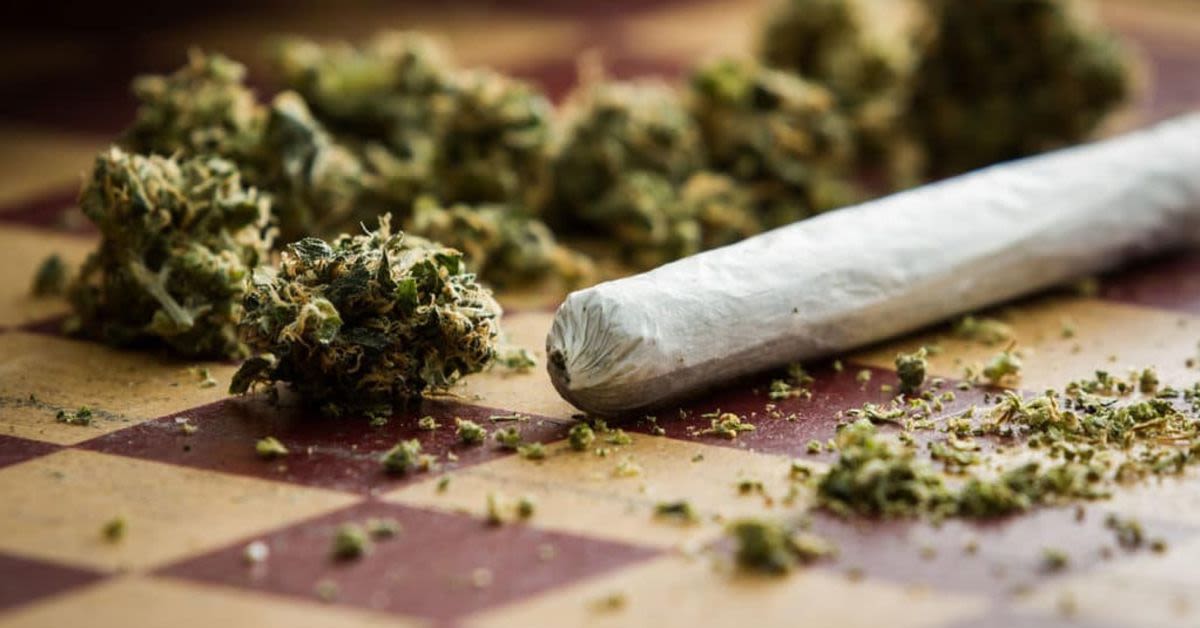
When the Baby Boomer generation vowed in its youth to never trust anyone over 30, few imagined that, half a century later, many of those same rebels would be spending their retirement years rediscovering the haze of marijuana.
According to RedState, senior citizens are now at a record high for getting high, and not everyone in their age group is amused. For 64-year-old astrophysicist Fiorella Terenzi, the cultural throwback has been less Woodstock and more nuisance lawsuit, as she found herself battling a cloud of cannabis drifting into her Miami-area high-rise apartment from a neighboring unit.
Terenzi first noticed the pungent odor seeping into her home and traced it to a married couple in their 70s living nearby, who assured her it was merely medical marijuana used in small amounts. Terenzi was unconvinced and decided to document the problem in a decidedly low-tech way.
To demonstrate the strength of the fumes, she held a piece of toilet paper to the crack of their front door and watched it flutter in the draft, strong enough, she said, to make the tissue wave like a flag. She repeatedly called police, but officers were hesitant to disturb the elderly couple late at night, leaving Terenzi to confront her neighbors in tense exchanges that, she said, felt straight out of high school.
It was actually always that kind of smirk, Terenzi said. Like, Oh, come on. If youre stoned, its cool. For many Boomers, that smirk is a familiar relic of the Cheech & Chong era, when marijuana was a symbol of rebellion rather than a line item in a state tax ledger.
Whatever the cultural nostalgia, the numbers show that marijuana use among Baby Boomers is climbing, with the most recent solid data emerging from 2022. Baby Boomers use and misuse of some substances may surprise you, one summary of the trend notes, underscoring how a generation once defined by its countercultural experimentation is now revisiting old habits under the banner of legality and wellness.
There are obvious reasons for the shift, starting with the law. Twenty-four states have legalized recreational marijuana, even as it remains prohibited at the federal level, dramatically reducing the legal risk that once deterred casual users who did not want to jeopardize careers or families over what used to be called a dime bag.
Another factor is physical discomfort that comes with age, as many seniors turn to cannabis for its reputed analgesic effects. Chronic issues such as lower back pain make marijuana an attractive alternative in the eyes of some, though traditional remedies like aspirin or other over-the-counter medications remain safer and more time-tested options for those wary of mind-altering substances.
Yet beyond pain relief, a subset of older Americans is embracing marijuana with a kind of late-life defiance. Many senior pot smokers are loud and proud, using social media to celebrate their habit and normalize it among peers who might once have whispered about such things behind closed doors.
San Antonio grandmother Sandra Bomar, 63, who brands herself Stoner Granny online, shares pot memes on Facebook with a like-minded community of older users. One of her recent posts features a doctor in a white coat alongside the caption, In my professional opinion, you should smoke a fatty.
Sensing a lucrative market, the cannabis industry is aggressively courting this demographic with products and campaigns tailored to seniors. One targeted brand, Senior Moments, leans into the stereotype with a wink, while a Cannabis Media Council ad shows an elderly couple in slinky sleepwear, beaming next to the suggestive tagline: Can cannabis help a senior in the sack? Good news, Tiger!
The Boomer resurgence is only part of a broader national uptick in marijuana use across age groups, as other commentators have noted. What was once a fringe or underground activity has been steadily mainstreamed, aided by state-level legalization, cultural normalization, and an industry eager to expand its customer base.
Still, the libertarian instinct to let adults make their own choices runs into a hard limit when those choices spill over into someone elses living room. As with any personal liberty, the right to indulge ends where a neighbors rights begin, especially in dense urban environments like Manhattan high-rises or other multi-family housing, where secondhand smokeof any kindcan become an unwelcome intruder.
Health risks remain a serious question, even if marijuana may not be as acutely destructive as alcohol, whose ravagesaddiction, broken families, physical deteriorationare well documented. That relative comparison, however, is a poor justification for routine intoxication, particularly for seniors who should be guarding their health and mental clarity rather than leaning on a psychoactive crutch to get through the day.
The deeper concern is dependency: whether older Americans, having traded tie-dye for retirement accounts, are now drifting into a quiet reliance on a drug that promises escape rather than resilience. With legal weed more accessible than ever, the sight of an aging Boomer raiding a convenience stores supply of Twinkies and potato chips may become less a punchline and more a symptom of a culture that has normalized self-medication over self-discipline.
For conservatives who value personal responsibility, ordered liberty, and respect for ones neighbors, the Boomer pot revival raises uncomfortable questions about where the line should be drawn between freedom and folly. The law may increasingly smile on marijuana, but that does not mean wisdomor virtuemust follow suit, and some of us will still prefer a measured glass of whiskey to a haze that blurs both judgment and accountability.
Login