
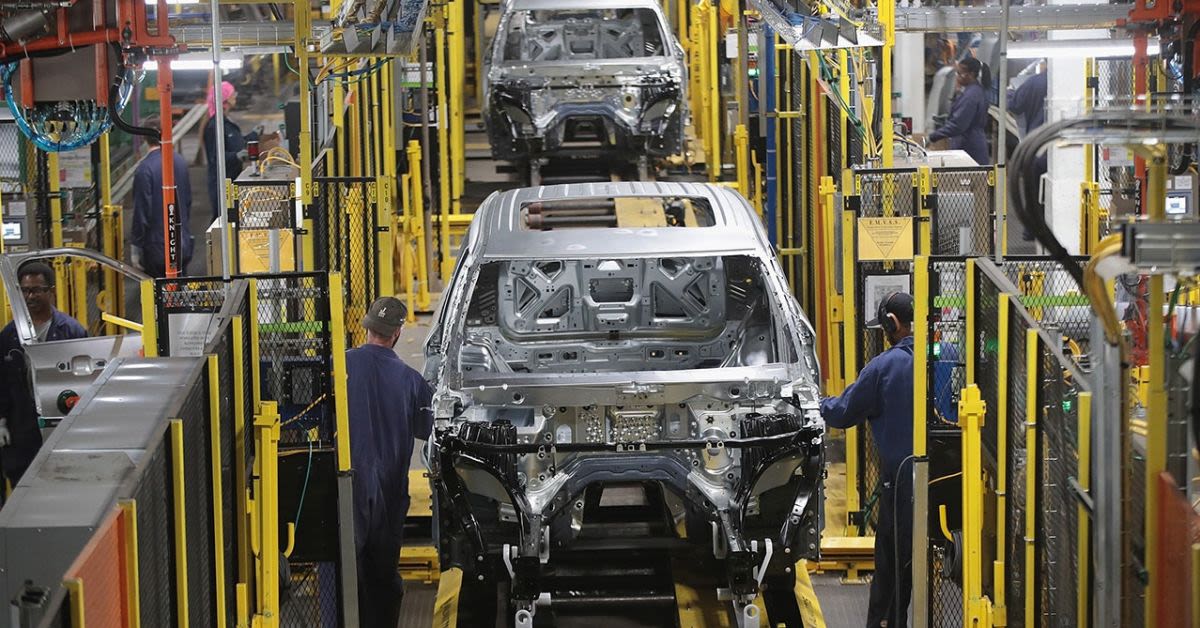
Ford Motor Company is ramping up production of its Lincoln luxury line inside the United States, a strategic shift that will add thousands of jobs at home while cutting dependence on Chinese-made vehicles.
According to Western Journal, the company said the expansion will further strengthen Fords position as Americas No. 1 auto producer, citing an Aug. 12 report from CNBC. The initiative is projected to create thousands of direct and indirect U.S. jobs as additional Lincoln models roll off American assembly lines rather than foreign plants.
Lincoln is a quintessentially American brand, and Ford is Americas automaker, Ford CEO Jim Farley declared in a statement underscoring the companys renewed domestic focus. He acknowledged the decision runs counter to prevailing corporate trends, saying, This wasnt necessarily the easiest path. In fact, its a path most of our competitors arent choosing to take. But Ford builds in America because we believe in America, and were betting on that belief again.
Ford already builds its Lincoln Navigator and Aviator SUVs in Louisville and Chicago, with some units exported to Canada, Mexico and countries in the Middle East. In 2023, however, Ford announced that the Lincoln Nautilus would become its first model imported from China, a move that drew criticism from advocates of American manufacturing and economic nationalism.
The companys latest pivot reflects the impact of President Donald Trumps tariff policies on the auto sector, which have pressured manufacturers to reconsider offshoring. Commerce Secretary Howard Lutnick told Fox Business that theyre bringing their manufacturing home, crediting tariffs with reversing years of outsourcing.
Ford is going to rock us with bringing manufacturing back to America, Lutnick said, emphasizing the scale of the shift. Thousands of jobs, thousands and thousands of jobs coming back to America because of these tariffs on automotives.
Lutnick stressed that a renewed manufacturing base must be matched by a renewed commitment to preparing American workers, particularly the next generation. Were gonna have to train young people for these high-tech jobs, he said. We are going high-tech in America.
He added that the administration is intent on anchoring advanced manufacturing firmly on U.S. soil rather than ceding it to Beijing or other foreign competitors. We are going to build these factories here in America, and thats the key, Lutnick said, framing Fords decision as part of a broader effort to restore American industrial strength and economic self-reliance.
Login