
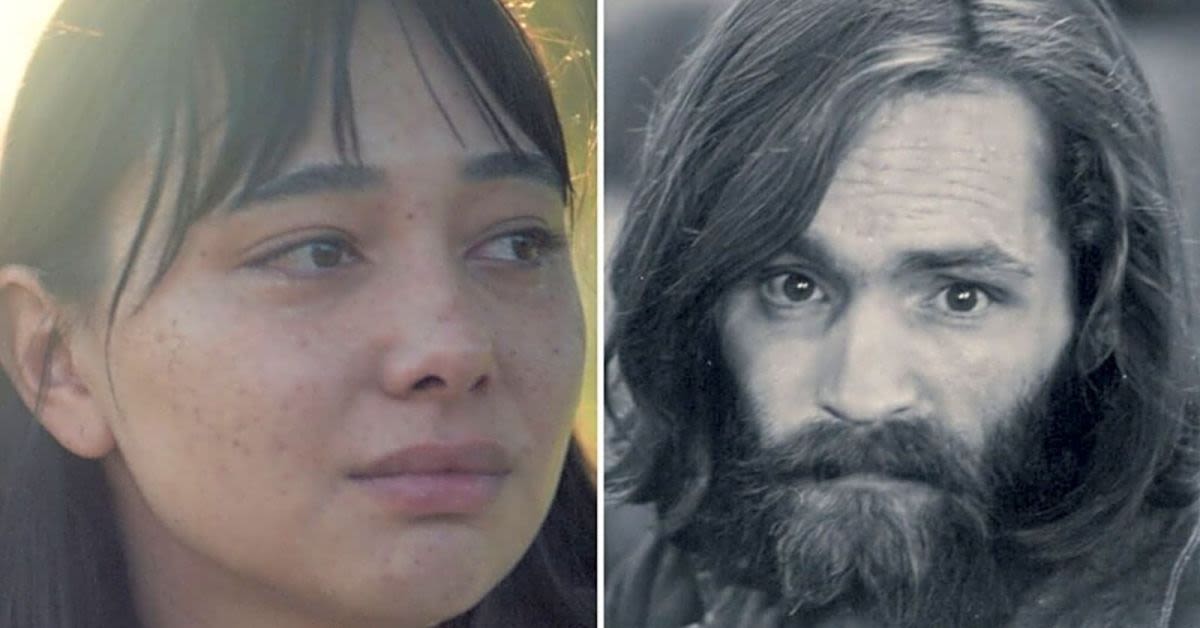
The revelation that a routine DNA search had linked her family to one of the darkest figures in American criminal history left filmmaker Sophia Maddox reeling.
Maddox, 26, discovered that her grandfather was cult leader and convicted murderer Charles Manson, a finding that shattered her sense of identity and forced her to confront a legacy she never asked for. According to The New York Post, she learned the truth alongside her father, Daniel Arguelles, after an online ancestry search confirmed that Arguelles biological father was the mastermind behind the infamous Manson Family murders. I was obviously very devastated, Maddox told the outlet, recalling that she felt dumbstruck and sobbing as the reality sank in.
Her father tried to comfort her in that moment, she said, even as he grappled with the same horrifying truth about his own parentage. My dad was just rubbing my back and holding me, and telling me we were nothing like him. But, it was a little traumatic, she added, underscoring how the sins of a long-dead criminal can still cast a shadow over innocent descendants. Co-directed by Maddox and Alexandra Orton, the Hulu documentary My Grandfather Charles Manson chronicles her attempt to make sense of that shadow, tracing both Mansons past and her strained relationship with Arguelles.
The film also features interviews with people who knew Manson firsthand, including former Manson Family member Lynette Squeaky Fromme and Manson trial prosecutor Stephen Kay, offering a rare mix of personal and historical perspective. Arguelles own story begins in 1959, when his mother, Darlene, then 17, met Manson at a bus stop while he was using the name Charlie Dear, and the two had a one-night stand. Manson would later become one of the most reviled criminals in modern American history, convicted of seven counts of first-degree murder and one count of conspiracy to commit murder, including the barbaric 1969 killing of pregnant actress Sharon Tate.
He died in prison in 2017 at the age of 83, having spent decades behind bars as a symbol of the cultural and moral breakdown of the late 1960s. Over the years, prison psychiatrists and experts floated various diagnoses, including schizophrenia and hypomania, though there was never a clear consensus on his exact condition. For Maddox, the question of inherited mental illness was not an abstract one, and she sought professional help to determine whether she carried any of the same disorders.
Therapists cleared me of mental health disorders, Maddox said, though she admitted that if she has children one day, she will always have that concern. Still, she refuses to surrender to fatalism or the modern tendency to blame ancestry for personal choices. If her children or grandchildren ever struggle with bipolar disorder, hypomania, depression, or anxiety, I do have a hopeful heart that we have tools, and we have therapists, she told The Post.
She added that if anything is passed down to her kids or future generations, she knows they will have the support that they need. That emphasis on responsibility, treatment, and support stands in stark contrast to the nihilism and moral chaos that defined Mansons cult. Maddox has largely avoided the pop-culture fascination with her grandfather, saying she has limited her viewing of the many dramatizations of his crimes.
Even so, she has seen a pretty interesting clip from the Netflix series Mindhunter, which aired from 2017 to 2019, as well as Quentin Tarantinos 2019 film Once Upon a Timein Hollywood. The Tarantino movie, which starred Margot Robbie as Sharon Tate and Leonardo DiCaprio and Brad Pitt as two men who accidentally derail her would-be killers in a revisionist fantasy, featured Australian actor Damon Herriman as Manson in both that film and Mindhunter. Because she was a teenager when Tarantinos movie was released, Maddox said, I didnt even clock that when they said Charlie they were talking about Charles Manson.
Her documentary takes her to the Indiana Boys School, a juvenile correctional facility where Manson was sent at 14, a place where he was allegedly both a victim and a perpetrator of sexual abuse. On camera, Maddox wrestles with how to explore his background without appearing to excuse his monstrous crimes, a tension that reflects a broader cultural debate over personal responsibility versus victimhood. She admits to worrying about being seen as a Manson apologist, a label she firmly rejects.
She told The Post that she does not believe examining the forces that shaped Manson amounts to defending him, insisting that such scrutiny is not apologist behavior. Maddox added, I think other people might project that onto me, but I dont believe that facing what his life was [is] justifying any actions. I think to end cycles of abuse, you have to look at the root of it.
When asked whether she feels any emotional or spiritual connection to Manson, Maddox was unequivocal. No, not really. I just had to face it all, she said, emphasizing that her project is about truth and healing, not morbid fascination or ideological revisionism. She explained, I couldnt live in secret. I dont like lying to people. It really weighs heavy on my heartI didnt feel like I could live a lie.
Still, she acknowledges that some traits do seem to run in the bloodline, particularly what she calls an obvious stream of creativity. Maddox concedes that Mansons music is pretty good, a reminder that talent and evil can coexist in the same person without mitigating the horror of his actions. Before the murders that made him infamous, Manson was an aspiring musician who mingled with members of The Beach Boys and harbored dreams of stardom.
Her father, too, once sang, acted, and modeled, and she admitted it was hard not to see the similarities. Growing up, Maddox doubted she was smart enough to learn guitar, but when she finally tried, she discovered a natural aptitude. I realized how naturally it came to me. And now, its kind of a comfort for me. So, I think thats one thing Ive taken away, she said, suggesting that creative gifts can be reclaimed and redeemed rather than surrendered to a dark legacy.
The process of confronting that legacy has taken a toll on her relationship with Arguelles, who was reluctant to dig deeply into Mansons life and wanted to leave the past buried. Over the course of filming, father and daughter had a falling out, and Maddox said they remain estranged. Even so, she has not closed the door on reconciliation, reflecting a belief in personal responsibility paired with forgiveness rather than perpetual grievance.
They are still not in contact, she said, but my door is always open to her father if he chooses to return. For now, Maddox is focused on telling the truth about her family history, rejecting both the cultures morbid glamorization of evil and the progressive impulse to reduce moral agency to trauma and diagnosis. My Grandfather Charles Manson is now streaming on Hulu, offering viewers a sobering look at how one woman confronts a notorious bloodline without surrendering her own moral compass.
Login