
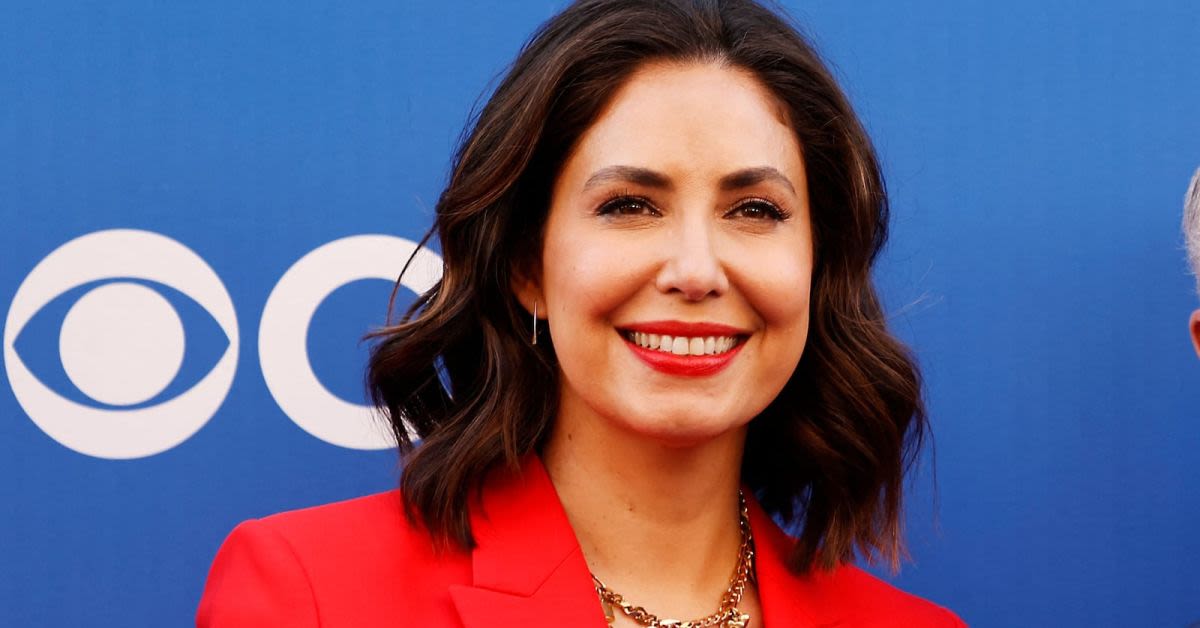
Fired 60 Minutes correspondent Cecilia Vega is accusing CBS News new leadership of attempting to inject misinformation and partisan talking points into her reporting before she was abruptly dismissed from the iconic newsmagazine.
The veteran journalist, who made history as the first Latina correspondent on 60 Minutes, publicly described the fallout from her May termination as the stitches that are still fresh during a Thursday appearance at the National Association of Hispanic Journalists Conference & Expo in New Orleans. As reported by The New York Post, Vega told ABC News correspondent John Quiones that she was scared to be talking about her experience but felt compelled to speak out, adding, Its not that I just lost a job. There is a lot at stake.
Vega said she decided to break her silence after months of private frustration over what she characterized as a troubling shift in editorial culture under the new administration at CBS News. Sometimes you got to be scared and do it still, she told the audience, explaining that she believed the integrity of her work and the credibility of the program were on the line.
According to Vega, the pressure from above centered on three specific 60 Minutes stories in which senior management allegedly pushed for changes she believed were grounded in politics or outright falsehoods. She did not name CBS News president and editor in chief Bari Weiss as the direct source of those demands, but she said the atmosphere changed markedly once new executives began attending screenings and aggressively offering feedback on pieces.
Weiss, a polarizing figure in media circles for her unapologetically ideological approach to news and commentary, has moved swiftly to reshape CBS News and its flagship magazine show. Since taking control, she has fired 60 Minutes executive producer Tanya Simon, correspondents Sharyn Alfonsi and Vega, senior executive producer Draggan Mihailovich, veteran producer Guy Campanile and digital operations chief Matthew Polevoy, signaling a top-down overhaul of the networks legacy brand.
Veteran correspondent Scott Pelley was later pushed out after confronting Weiss and newly installed executive producer Nick Bilton during a staff meeting, an episode that underscored the internal friction surrounding the new regime. For many longtime staffers, the shake-up has raised concerns that editorial independence is being subordinated to a more centralized, ideologically driven management style.
Vega said the first major clash with leadership arose over a report she produced following the fatal shootings of Rene Good and Alex Pretti in Minnesota. She recounted that her team was urged to include footage purportedly showing protesters violently attacking individuals they believed were Immigration and Customs Enforcement agents working in plain clothes.
Her reporting team, she said, scoured available material and could find no credible examples of such attacks at the time. Vega also said management pressed to include a supposed exchange from a press conference in which Minneapolis Mayor Jacob Frey allegedly declared he wanted local police to fight federal ICE agents in the streets to block immigration enforcement.
The citys police chief was said to have rolled his eyes at the mayors alleged suggestion, a detail that would have cast local leadership as reckless and unserious on law enforcement. Vega said her team reviewed the entire press conference and found no evidence that the exchange had ever occurred, flatly rejecting the narrative.
That never happened, she said. We could not find any instance of the mayor saying something like that. Vega bluntly labeled the claim misinformation, a word that liberal media outlets often deploy against conservatives but which she now says applied to directives coming from her own bosses.
A second confrontation, Vega said, erupted over a report on President Trumps conflict with Iran roughly three weeks into the standoff. She recounted being instructed to open the segment with the line: Who is winning the war? Iran is totally outgunned by the United States and Israel.
Vega said she objected to that framing, calling the proposed wording an administration talking point used by the White House to argue that the United States was decisively prevailing. For a journalist who had covered multiple administrations, she suggested, there is a clear line between quoting official rhetoric and adopting it as the programs own narrative voice.
The third dispute, according to Vega, centered on a report about cuts to Supplemental Nutrition Assistance Program (SNAP) benefits and poverty in West Virginia. She said her team had intentionally chosen to tell the story through the voices of strictly residents, steering clear of politicians and outside experts to avoid turning the piece into a partisan debate.
Management, she said, later questioned why the report did not feature Vice President JD Vance or an expert who could discuss his memoir, Hillbilly Elegy. Vega pointed out that Vances book, while widely cited in elite media as a lens on forgotten white working-class communities, was published about a decade earlier and focused on his upbringing in Ohio, not West Virginia.
Vega emphasized that none of the disputed suggestions ultimately made it into the finished broadcasts. If you watch my pieces, youd see those examples did not make them in, she told the crowd, drawing loud and sustained applause, according to Status, a media-industry newsletter that first detailed her remarks.
She described 60 Minutes as having long functioned as an island protected by a moat from interference by the broader CBS News operation, a structure that historically allowed correspondents and producers to pursue tough, independent reporting. That insulation, she said, eroded when new executives began appearing in screenings and challenging her work in ways that felt less like editing and more like pressure.
Vega recalled a real tension in those sessions that made me nervous and said she sensed that the new leadership were not liking this back and forth. In her telling, the traditional push-and-pull between editors and reporters was being replaced by a top-down insistence on certain narratives, a shift that should concern anyone who values a free and skeptical press.
She also revealed that she never met one-on-one with Weiss and still has not been told why she was dismissed. I dont know why I was fired, she said. Its been about three months now and I dont know. I was not given a reason. I still have not been given a reason.
Vega had previously accused the Weiss-led management team of trying to insert political bias into her work but had not publicly laid out specific examples until now. Never in my career until now have I felt that those edits, those suggestions, came from a place of misinformation or politics, she said. Thats the difference.
CBS News declined to comment to Status about Vegas latest accusations, and The Post has likewise sought comment from the network. Executives have previously dismissed her claims as not based in reality and denied inserting political bias into the networks reporting.
Weiss, for her part, has defended her involvement in editorial decisions as standard practice for a newsroom leader. Whats being called editorial interference is in reality the job description of an editor in chief, Weiss told The Wall Street Journal in June, a statement that may reassure some but will only deepen concerns among others that one of Americas most storied news programs is being reshaped from the top down in ways that blur the line between journalism and agenda.
Login