
A political culture that once would have recoiled in horror at an assassination attempt on a sitting president has instead grown disturbingly comfortable with rhetoric and behavior that normalize political violence.
According to Western Journal, the near-fatal moment in Butler, Pennsylvania when a bullet tore through President Donald Trumps ear and narrowly missed his head during a campaign rally did not prompt any meaningful soul-searching among his opponents. Rather than tempering their language or reconsidering the climate they helped create, many on the left have carried on as if such an attack were merely another episode in a bitter partisan drama.
The Butler shooting was not an isolated incident, but part of a chilling pattern of attempts on the presidents life since he returned to the White House. In September 2024, another would-be assassin targeted President Trump while he was at the Trump International Golf Course in Palm Beach, Florida, and in April an additional attempt was made during the White House Correspondents Dinner at the Hilton Hotel in Washington, D.C.
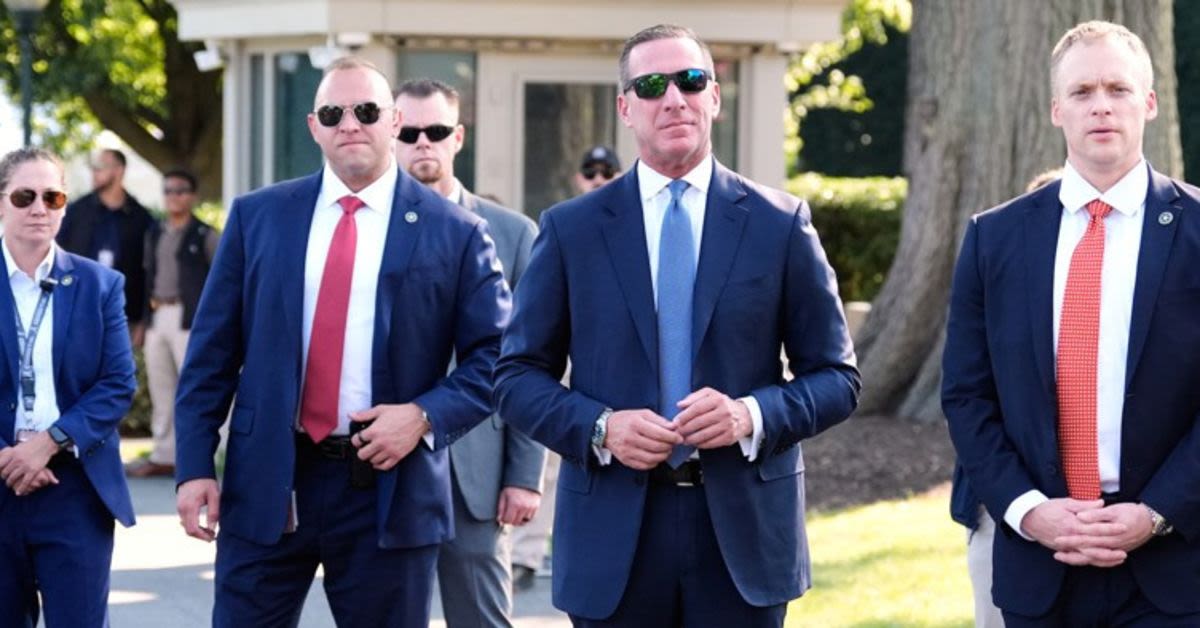
The U.S. Secret Service, tasked with protecting the president and other key officials, has the data to show just how dramatically the threat environment has escalated. Compared with the same point in 2025, there has been a 40 percent surge in protective intelligence cases, and CBS News reported that since January alone, roughly 10,000 such cases have been opened.
Officials say this spike is driven by a toxic mix of online threats, foreign adversaries, mental health crises, lone-wolf actors, and ideologically motivated grievances. Secret Service Director Sean Curran underscored the unprecedented nature of the situation, concluding, The numbers are numbers that this agency and certainly I have never seen in my 24-year career.
Curran warned that the broader climate surrounding American politics has grown increasingly unstable. The environment has become very volatile, and thats just across the board, he said. The threat picture and environment is as large as Ive ever seen it.
Agents do not wait for an explicit death threat before moving in on a potential danger, recognizing that modern attackers often telegraph their intentions in more subtle ways. Obsessive fixation, stalking, harassment, delusions, paranoia, a fascination with violence, and suicidal tendencies can all trigger a closer assessment by the Secret Service.
Against this backdrop, it is not difficult to see where unbalanced individuals might be drawing inspiration. For years, President Trump has been smeared in public discourse as a fascist, a Nazi, a white supremacist, and a tyrant, language repeated so often that many in the media and political class now treat it as routine background noise.
What his opponents dismiss as annoying, tired rhetoric is heard very differently by those already inclined toward extremism. For violent actors, such labels are not mere insults but a moral license, a signal that drastic action against a supposedly existential threat is justified.
Even after the Butler attack, prominent voices on the left continued to brand Trump a fascist, refusing to moderate their tone despite the obvious risk of further inflaming unstable minds. When now-former President Joe Biden stepped aside and now-former Vice President Kamala Harris became the Democrats 2024 nominee, she was asked during an October CNN town hall by host Anderson Cooper, Do you think Donald Trump is a fascist?
Yes, I do. Yes, I do, Harris replied, doubling down on the very characterization that has saturated progressive commentary for years. That such a charge came from the top of the Democratic ticket only reinforced the sense that demonizing the president is not a fringe position but a mainstream talking point within one of the countrys two major parties.
If the Secret Service is now overwhelmed by an unprecedented volume of threats, it is not because of some shadowy network operating in distant caves. The tone is being set in plain sight, by a political establishment and media ecosystem that treat the dehumanization of their chief rival as acceptable, even virtuous, rhetoric.
In a nation that once prided itself on peaceful transfers of power and robust but civil debate, the normalization of assassination talk and the casual branding of a sitting president as a fascist should alarm anyone who values constitutional order. As long as one of Americas major political parties continues to indulge this language, the burden will fall on law enforcement and the Secret Service to hold the line against a culture that increasingly treats political violence as just another weapon in the partisan arsenal.
Login