
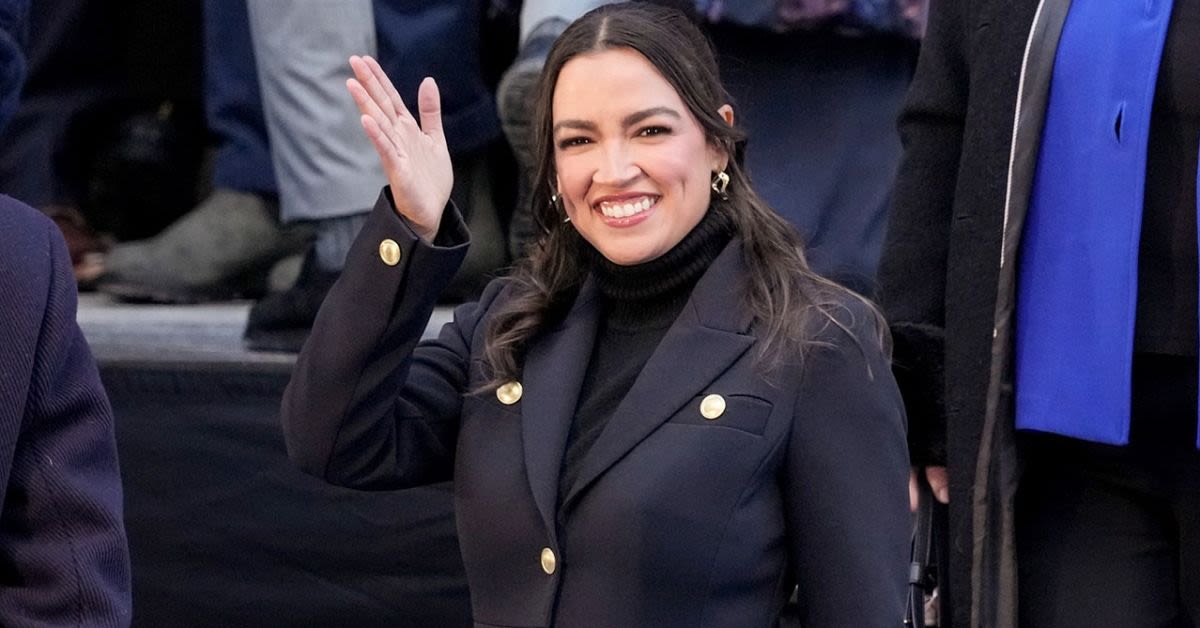
Rep. Alexandria Ocasio-Cortez (D-NY) has built a national profile demanding higher taxes and sweeping economic overhauls, even as questions mount about her own ability to manage basic personal finances.
According to RedState, the self-described democratic socialist has long pushed for heavier tax burdens, including on working- and middle-class Americans, to bankroll expansive government programs such as universal Medicare, insisting that democratic socialism requires a fundamental restructuring of the U.S. economy.
Yet public records reviewed by the Crimson Hub reveal that during her 2018 campaignwhen she was already drawing a salary from campaign fundsproperty tax bills for the Bronx condominium she occupied were not being sent to the soon-to-be congresswoman at all. Instead, those bills were directed to her mother in Florida, a state famous for its low-tax environment, underscoring a striking contrast between Ocasio-Cortezs rhetoric about paying your fair share and her reliance on the Bank of Mom to cover her own obligations.
The records show that Ocasio-Cortezs mother remained legally responsible for the property taxes on the Bronx condo, even as her daughter was paying herself out of donors contributions and campaigning on a platform of higher taxes and expanded federal control over health care and the economy. For most parents, helping an adult child is an understandable act of love, but the optics are far different when that adult child is nearly 30, running for federal office, and publicly demanding that the rest of the country submit to higher tax burdens and more government oversight.
At the time of her first campaign, Ocasio-Cortez was approaching her thirtieth birthday, ultimately becoming the youngest woman ever sworn into Congress in 2019, yet still leaning on her mother to handle basic financial responsibilities like property taxes. The dissonance is hard to ignore: a politician who wants to rewrite the nations economy could not, by all appearances, be bothered to ensure that the tax bills for her own residence were in her name and paid from her own resources.
Since then, Ocasio-Cortez has upgraded her lifestyle, moving into a high-end Washington, D.C.-area apartment with her boyfriend, while her brother has taken over the Bronx condo. Even so, her mother reportedly continues to shoulder the property tax payments, suggesting that the familys pattern of financial dependence has not meaningfully changed, despite AOCs rise to national prominence and congressional salary.
Her brother, Gabriel Ocasio-Cortez, mirrors his sisters ideological posture, describing himself as an anti-capitalist and founding an arts organization supporting the deaf queer community. Despite reporting a $4,597-per-month salary as a housing specialist at Samaritan Daytop Village in Briarwood, New York, in 2022, he filed for Chapter 7 bankruptcy, making him, like his sister, another Ocasio-Cortez adult child who has evidently lived beyond his means.
The specificity of an arts group supporting the deaf queer community may raise eyebrows, but unlike his sister, Gabriel does not wield legislative power or control over taxpayer dollars. The larger concern for voters is that both siblings, by the public record, appear to struggle with the basic adulting skills that most Americans are expected to master long before they begin lecturing others on economic justice and systemic reform.
This pattern is emblematic of a broader problem on the left, where grandiose schemes for remaking the economy often come from individuals who have not demonstrated competence in managing their own finances. One might grant Ocasio-Cortez a measure of reluctant credit for not (yet) exploiting her office to the extent that some Democrats, such as former House Speaker Nancy Pelosi, have been accused of doing, but that is a low bar for public service in a constitutional republic.
Before entrusting the nations checkbook to any elected official, it is reasonable to expect that person to have his or her own financial house in order, a standard that should transcend party lines but is especially relevant when a candidates core agenda is massive tax hikes and centralized economic planning. The Constitution, however, imposes no such requirement, mandating only that House members be at least 25 years old, have seven years U.S. citizenship, and reside in the state they seek to represent, with nothing about demonstrating basic life skills such as paying ones taxes on time.
In a healthier political culture, voters would scrutinize these issues themselves, but New Yorks 14th Congressional District has repeatedly signaled that a D after a candidates name is qualification enough, regardless of competence or consistency. Ocasio-Cortez continues to call for a complete reshaping of the American economy, even though she was already in her thirties and serving in Congress before she apparently stopped depending on the Bank of Mom, leaving many Americans to wonder why someone who struggled with her own tax bills should be trusted to redesign everyone elses.
Login