
The era when Americans gathered around a glowing television at 11:30 p.
m. to share a national laugh has largely vanished, replaced by a fragmented media landscape where the most compelling talk show host is no longer on broadcast TV at all.
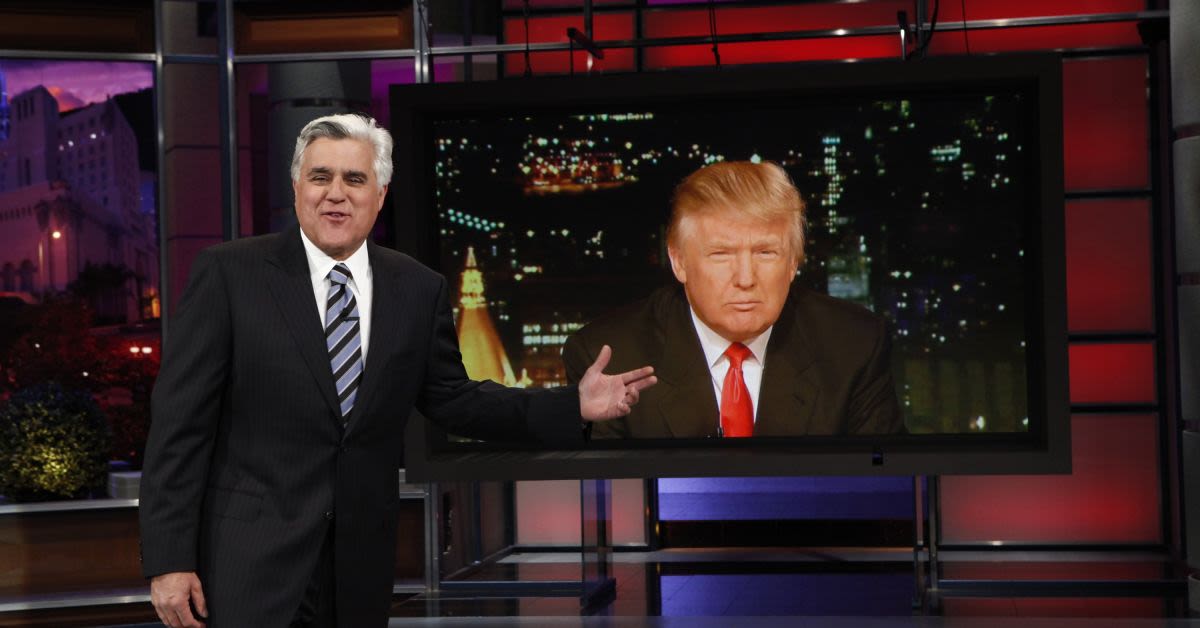
As reported by RedState, that shift was underscored this week by former Tonight Show host Jay Leno, who reflected on the collapse of traditional late-night television and the rise of long-form, uncensored conversation online. Leno, who once presided over the most coveted slot in American entertainment, now sees the center of gravity firmly relocated to the digital realm. I mean, podcasts really are the new talk shows. Joe Rogan is the new Johnny Carson, he observed in an interview published Wednesday, capturing in a single line the cultural displacement of the old network titans by independent voices who answer to no corporate censors and no coastal writers rooms.
For those who remember the heyday of late-night, the contrast is stark. There was a time when appointment TV meant gathering with friends to watch Johnny Carsons monologue and then staying up for David Lettermans offbeat antics, from Stupid Pet Tricks to dropping bowling balls off five-story buildings. That shared ritual has been replaced by on-demand viewing, where almost everything except live sports and breaking news can be consumed whenever convenient, and where the idea of millions of people watching the same show at the same time feels like a relic from another civilization.
Lenos point is not that the appetite for conversation and comedy has disappeared, but that it has migrated to platforms the legacy media neither controls nor understands. Yeah, Joe talks to everybody about everything, Leno said, noting that Rogans appeal lies in his willingness to host a wide range of guests and viewpoints without a corporate filter. Theres no FCC to step in and say what you say and cant say, so you really do get an unfiltered idea of what everybody thinks. So yeah, I mean, to me, thats whats also changed late-night.
Younger audiences, Leno added, are not loyal to the old broadcast brands that once dominated American living rooms. I talk to young people they dont know CBS, NBC or ABC, Channel Four; they know Channel 682 or whatever, he explained, describing a generation that navigates content by algorithm and search bar, not by network logo. They just go to YouTube. Which is amazing. If you had predicted YouTube would be the most popular channel in the world 10 years ago, I think people would have said, What are you talking about? But it is now.
That shift has been a boon for figures like Rogan, whose style is the antithesis of the sanitized, hyper-scripted, politically uniform late-night shows that now dominate broadcast. One thing you can say about Rogan is that he's unfiltered, and he has not hesitated to mock the shallowness of corporate media panels. Joe Rogan: When you see them talking freeform like on those panel shows on CNN, you're like, Oh, you guys are f*cking retrded! You guys have some of the dumbest opinions. You're so uninformed. That kind of blunt assessment resonates with viewers who are tired of being lectured by the same small circle of media-approved voices.
Leno, who still performs more than 200 stand-up shows a year, did not directly name the current crop of late-night hostsJimmy Kimmel, Jimmy Fallon, Seth Meyers, or the recently departed Stephen Colbertbut his critique of their approach was unmistakable. These shows, once built on broad appeal and shared cultural touchstones, have become narrow, partisan echo chambers that sneer at half the country and then wonder why their ratings crater. Leno recalled being asked by Ronald Reagan Presidential Foundation CEO David Trulio how he and Carson handled politics, and his answer was a rebuke to todays one-sided comedy. Well, we tried to make fun of both sides equally. You know, you humiliate degrade everybody equally thats it, he said. I mentioned the pressures of life and people cozying up to one side more than the other. I said, I dont think anyone wants to hear a lecture. Why go for just half an audience?
The truth is, many of these shows are not even earning half an audience anymore, and the reason is obvious to anyone outside the media bubble. When comedy becomes a sermon, and the punchlines always land on the same political targets, viewers tune outespecially those who are tired of being portrayed as backward, bigoted, or stupid for holding conservative or traditional views. The late-night format that once united Americans in shared laughter has been repurposed into a nightly scolding session for the benefit of progressive activists and social media applause.
Leno also pointed to another culprit in the decline of late-night: the suffocating weight of commercials and corporate structure. LENO: Yeah, so when I turn on late-night now, regardless of how Im watching, if I see Jake from State Farm again, Im gonna shoot myself in the f*cking head, he quipped, capturing the frustration of viewers who are asked to endure long ad blocks for very little actual content. Its like, geez the host comes out, does the monologue, then its right away over to six minutes of commercials. You come back, the host talks about whos coming up and everything out, Well be right back, and so on. All cut up.
In an age of streaming and on-demand video, that chopped-up format feels archaic and unnecessary. Enough already, Leno said, voicing what millions of viewers quietly concluded years ago as they migrated to platforms where the conversation is not constantly interrupted by insurance jingles and fast-food spots. Why watch that when I can switch over to streaming or YouTube and I can watch an hour with Harrison Ford talking off the top of his head, as opposed to just having few minutes with the guest or with the host, you know? Johnny used to have real conversations.
For Leno, the loss of genuine, extended dialogue is not just a stylistic change; it is a sign that the networks no longer trust their audiencesor their hostsenough to let conversations breathe. I tried to have real conversations. Thats seems to be gone, and the audience knows it, he reflected, suggesting that viewers can sense when they are being managed rather than engaged. The result is a sterile, risk-averse product that feels more like a corporate presentation than a spontaneous, human exchange.
The lesson for todays late-night writers and hostsColbert, Fallon, Kimmel, Meyers, the Saturday Night Live staff, and the rest of the clubis not complicated, yet they seem determined to ignore it. They have traded broad, good-natured humor for ideological conformity, and then act surprised when their audience shrinks to a narrow slice of the political spectrum. LENO: Yeah, like I said, we used to brag about the fact that Johnny and I would try to make fun of both sides equally. Looks like that doesnt work anymore. The audience is all over the place. I just think the most important thing is to remember:
What follows from that unfinished thought is implicit in everything Leno described: adapt or become irrelevant. Life changes, technology advances in mind-boggling fashion, and theres no stopping it we have to adapt. Those who have built businesses or careers in the real world understand this instinctively, having had to pivot repeatedly as new tools, platforms, and expectations emerged, from learning HTML for early websites to mastering e-commerce, search engine optimization, social media, and even Fulfillment by Amazon.
Many Americans have lived that constant reinvention, adjusting to each new wave of technological disruption while trying to preserve what was worthwhile in the old ways. We did all those things, and even though some of us are no longer in the same line of work, we still try to keep up with the ever-changing landscape that is our world. Yet there remains a natural nostalgia for the time when families and friends crowded around what then seemed like a massive 36-inch Sonynow a laughably small, low-resolution dinosaurand shared the same jokes at the same moment.
That nostalgia does not mean rejecting the future, but it does mean recognizing what has been lost as well as what has been gained. But I cant lie, when all of us crowded around what back then was a massive screen what would now be considered an itty bitty, extremely low-resolution 300-lb. dinosaur Sony 36 it was a blast, the reflection goes, capturing a sense of communal experience that todays fragmented media rarely replicates. I wont fight the future, but sometimes I cant help but reminisce that the past had some pretty great moments, too.
Meanwhile, Lenos diagnosis of what went wrong with late-nightand with so much contemporary comedyrings especially true for viewers who feel alienated by the smug, progressive monoculture of modern entertainment. Meanwhile, Leno is right about what went wrong and why so much contemporary comedy is anything but funny, the piece concludes, and that is the crux of the matter: when comedy forgets that its job is to make people laugh, not to indoctrinate them, audiences will inevitably seek out alternatives where free speech, genuine curiosity, and ideological diversity are still allowed to exist.
Login