
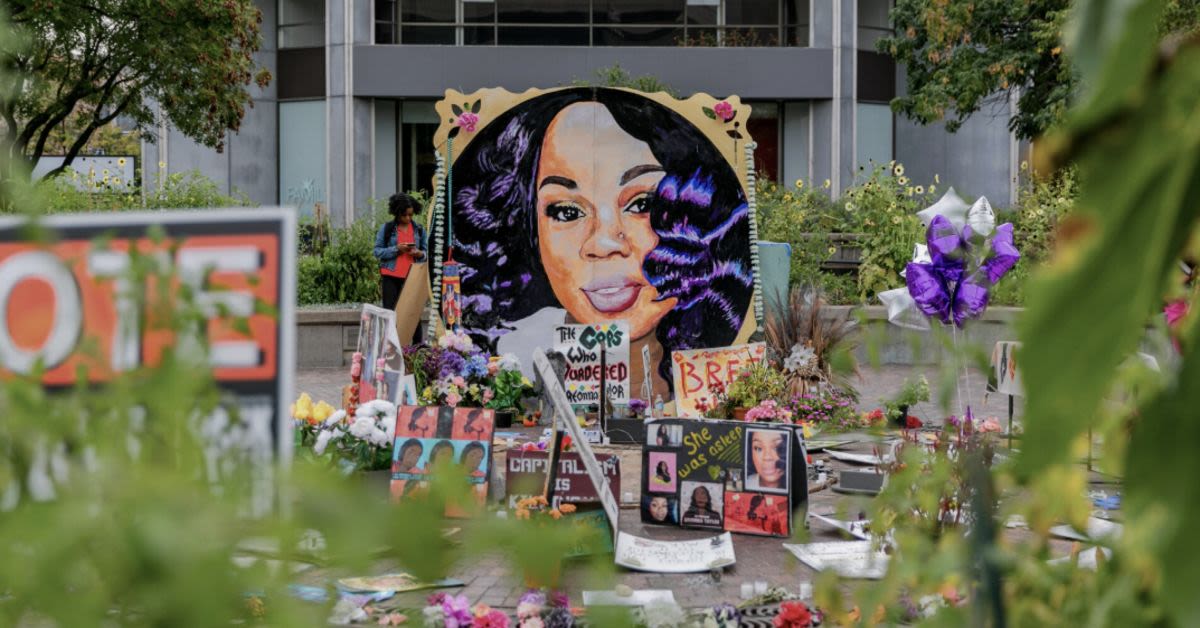
The Justice Department is moving to abandon its criminal case against two former Louisville police officers linked to the Breonna Taylor investigation, effectively closing the door on one of its highest-profile civil rights prosecutions to emerge from the 2020 riots and nationwide unrest.
According to RedState, the once-sweeping case has been steadily pared back in court until only a sliver of the original charges remained. Judges downgraded felony counts to misdemeanors and ruled there was no direct legal connection between the disputed warrant and Taylors death, undercutting the governments central theory and leaving prosecutors with a far narrower set of claims than they initially pursued.
Federal prosecutors have now asked a judge to dismiss the case entirely, signaling a retreat from a prosecution that had been championed by activists but repeatedly constrained by the courts. The Justice Department acknowledged that, after the adverse rulings, it revisited the matter and concluded it should not proceed further.
In light of the foregoing proceedings, the Government undertook a further review of this matter. Based on that review, and in the exercise of its discretion, the Government has determined that this case should be dismissed in the interest of justice.
The charges targeted former detective Joshua Jaynes and former Sgt. Kyle Meany, who were accused of falsifying information used to secure the warrant for Taylors apartment. Prosecutors had argued that the allegedly flawed warrant set the March 2020 raid in motion, but courts ultimately found that the claimed misconduct could not be tied directly to the tragic outcome of that night.
Rather than focusing on the officers who fired their weapons, the Justice Department built its case around the warrant process itself. Investigators alleged that Jaynes drafted an affidavit containing false or misleading statements and that Meany approved it despite knowing about the problems, an approach that critics on the right saw as an attempt to criminalize split-second policing decisions through paperwork technicalities.
As judges narrowed the charges and rejected key elements of the governments theory, the foundation of the case eroded. That left prosecutors with a widening gap between the alleged procedural misconduct and Taylors death, a gap the courts repeatedly signaled could not be bridged under existing federal civil rights law.
Attorneys for the former officers said the governments move was not only welcome but long overdue after years of legal and political pressure. Kyle is incredibly grateful for todays filings. He is looking forward to putting this matter behind him and moving forward with his life.
Taylors family and allied civil rights activists, however, condemned the decision as yet another failure of the system to deliver the sweeping accountability they have demanded since 2020. Breonna Taylor always deserved more than the scraps of justice she got. Now, even those may be further stripped away.
That divide mirrors the broader trajectory of the case itself, which began as a marquee civil rights prosecution in the wake of nationwide unrest, including riots marked by arson, looting, and violent clashes, and was steadily cut down by judicial rulings that limited how much of the governments original narrative could survive. For many conservatives, the unraveling of the case underscores the dangers of politicized prosecutions driven by media pressure and activist demands rather than the strict application of law and evidence.
Taylor was killed during a late-night police raid in March 2020, and her death, followed weeks later by the killing of George Floyd, became a catalyst for months of protests and riots that fueled a broader campaign from the left to vilify law enforcement and push sweeping changes to policing. Those events placed officers under intense scrutiny and helped drive a wave of progressive legal theories that have since struggled to withstand serious judicial review.
The judge has not yet ruled on the Justice Departments request to dismiss, but after years of rulings that reduced the charges and narrowed the case, the government is now openly moving to end a prosecution it once touted as a civil rights milestone.
Whatever the final order, the steady collapse of the case highlights the limits of using federal criminal law as a vehicle for ideological crusades and leaves open the question of whether Washington should ever have intervened so aggressively in a local tragedy already heavily litigated in the courts of both law and public opinion.
Login