
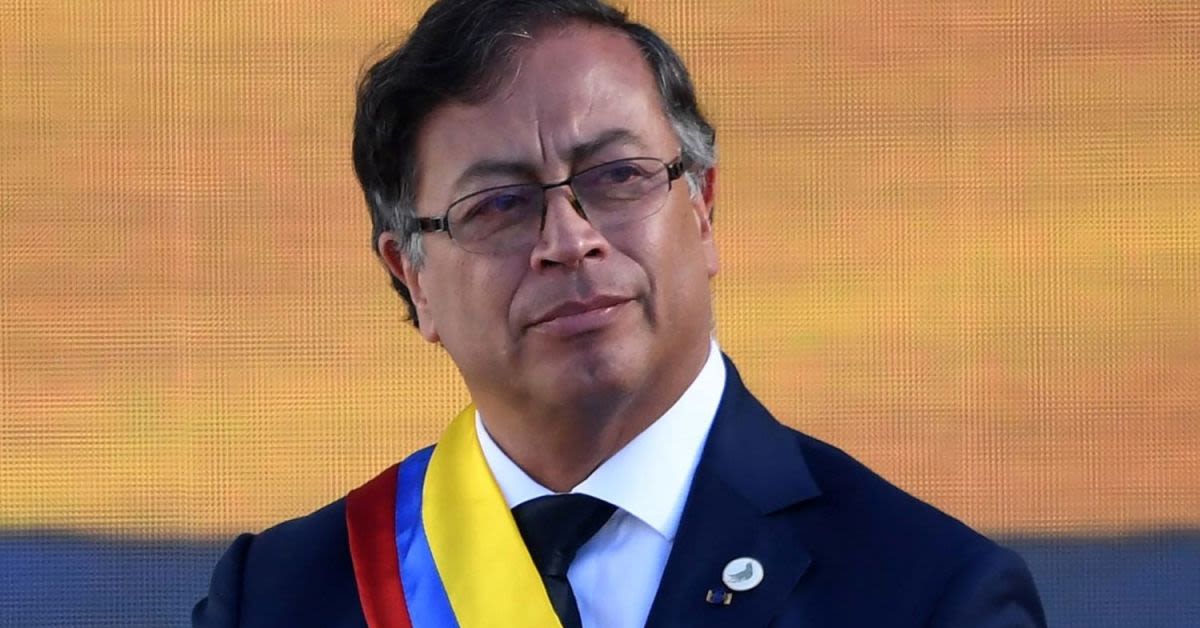
Federal prosecutors in the United States have opened criminal inquiries into Colombias Marxist president, Gustavo Petro, over alleged links to powerful drug-trafficking networks.
According to Gateway Pundit, the investigations are being run out of the U.S. attorneys offices in Manhattan and Brooklyn, with assistance from the Drug Enforcement Administration (DEA) and Homeland Security Investigations. Prosecutors are reportedly scrutinizing whether Petro personally met with traffickers and whether his 2022 presidential campaign benefited from funds tied to illicit narcotics operations.
The probes are described as ongoing and in their early stages, and U.S. officials have not indicated whether formal charges or extradition requests will follow. This legal pressure unfolds against the backdrop of a deeply strained relationship between Petro and President Trump, whose administration has taken an aggressive stance against Latin American socialist regimes and the cartels that often flourish under them.
President Trump has repeatedly criticized Petro for failing to cooperate with Washingtons anti-drug efforts and has bluntly warned that the Colombian leader needs to watch his ass. Petro has responded with incendiary rhetoric of his own, branding the Trump administration a clan of pedophiles and escalating the war of words far beyond normal diplomatic friction.
A clan of pedophiles wants to destroy our democracy, Petro declared in December, in remarks that underscored his hostility toward U.S. policy. To keep Epsteins list from coming out, they send warships to kill fishermen and threaten our neighbor with invasion for their oil.
Harsh, yes, but thats the reality, he continued, doubling down on his accusations against Washington. To keep the list from coming out they send warships to kill fishermen from this city.
The U.S. investigations into Petro come amid a broader campaign targeting political figures and criminal networks tied to narcotics trafficking across the region. While Petro has publicly denied any involvement with drug cartels, allegations of covert ties have dogged his leftist movement for years and now intersect with mounting evidence from Colombian authorities.
Colombian prosecutors have already stated that illicit funds entered Petros 2022 campaign through intermediaries, including his son, Nicolas Petro. Relations between Washington and Bogot have repeatedly deteriorated over issues such as deportation flights, sanctions, and U.S. military operations aimed at disrupting drug routes that fuel violence and corruption.
Tensions spiked after the successful U.S. military operation to capture Venezuelan dictator Nicolas Maduro, a close ideological ally of Petro and a symbol of the socialist model conservatives in the United States have long warned against. The chill appeared to ease somewhat in February, when Petro and President Trump met at the White House and later described their talks in positive terms, suggesting at least a temporary thaw in public.
Petro is scheduled to leave office later this year, ahead of presidential elections in May, a timeline that may prove significant for U.S. prosecutors weighing next steps. In previous high-profile cases involving foreign leaders, American authorities have often waited until those figures are out of power before moving forward with indictments or extradition efforts, a pattern that could again come into play if the evidence against Petro continues to build.
Login