
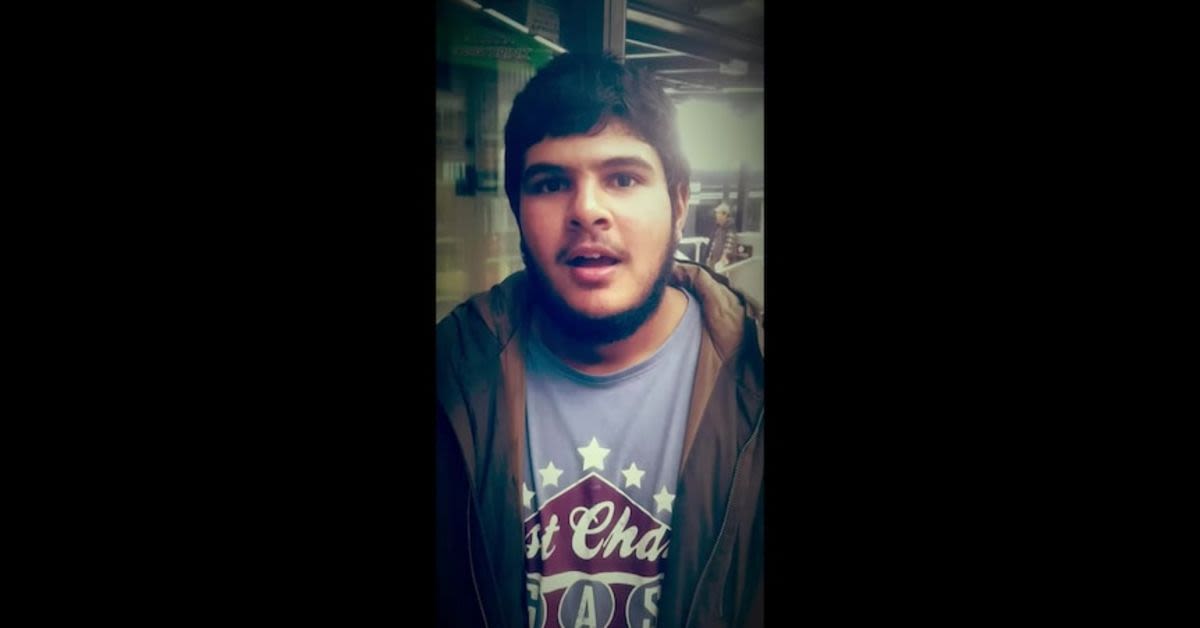
A 24-year-old man accused of carrying out a deadly mass shooting at a Jewish festival on Sydneys Bondi Beach has made his first court appearance since being discharged from the hospital.
The suspect, Naveed Akram, appeared via video link on Monday before Sydneys Downing Center Local Court, speaking from the maximum-security Goulburn Correctional Center located roughly 200 kilometers (120 miles) from the city. According to The Associated Press, the brief hearing marked his first formal engagement with the judicial process following the December attack that left 15 people dead and shocked both Australia and Jewish communities worldwide.
Akram faces multiple serious charges, including murder and committing a terrorist act, but he did not enter any pleas during the short proceeding. The case centers on an attack at a Hanukkah celebration on Bondi Beach on Dec. 14, an event that authorities allege was inspired by the Islamic State group and that has been described as Australias worst suspected terrorist atrocity in decades.
The court session focused primarily on procedural matters, most notably the extension of a gag order designed to protect the identities of victims and survivors who have not chosen to come forward publicly. The suppression order reflects both the sensitivity of the case and the heightened concerns over antisemitic violence, as officials seek to balance open justice with the safety and privacy of those directly affected.
Outside the courtroom, defense lawyer Ben Archbold offered a brief assessment of his clients condition and legal posture. Archbold told reporters that Akram was doing as well as could be expected and stressed that it was too early to indicate any intention regarding pleas, signaling a lengthy and complex legal battle ahead.
Akram was himself wounded during the incident, which culminated in a gunbattle with police responding to the carnage at the beachfront festival. His father, 50-year-old Sajid Akram, was killed in that exchange of fire, adding another layer of tragedy and complication to a case already fraught with political, religious, and security implications.
The younger Akram is next scheduled to appear in court on April 9, a date that will likely see further discussion of evidence, security arrangements, and the ongoing suppression orders. Prosecutors and investigators are expected to continue building a detailed picture of the events leading up to the attack, including any ideological or operational links to extremist networks.
Authorities have launched three separate official inquiries into what is now regarded as Australias worst mass shooting in 29 years and its most serious alleged terrorist attack. One of these investigations is examining the interactions between law enforcement and intelligence agencies before the massacre, probing whether warning signs were missed or information-sharing failed at critical moments.
Another inquiry, a royal commissionthe highest form of public investigation in Australiawill take a broader view of the climate that may have enabled such an atrocity. The commission will examine the nature, prevalence and drivers of antisemitism generally as well as the circumstances of the Bondi shooting, reflecting growing concern that anti-Jewish hatred, long dismissed or downplayed by some on the left, has become a grave and urgent security issue.
For many Australians, particularly within the Jewish community, the Bondi Beach attack has underscored the real-world consequences of radical Islamist ideology and unchecked antisemitism. As the legal process unfolds, conservatives are likely to press for tougher counterterrorism measures, stronger border and intelligence controls, and a more honest reckoning with the ideological motivations behind such violence, rather than the euphemisms and evasions that too often dominate progressive discourse.
The coming months will test not only the criminal justice system but also the nations willingness to confront the ideological roots of terrorism and antisemitism without fear or favor. With Akrams next court date set and multiple high-level inquiries underway, Australians will be watching closely to see whether their institutions can deliver both justice for the victims and meaningful reforms to prevent such an attack from ever happening again.
Login