
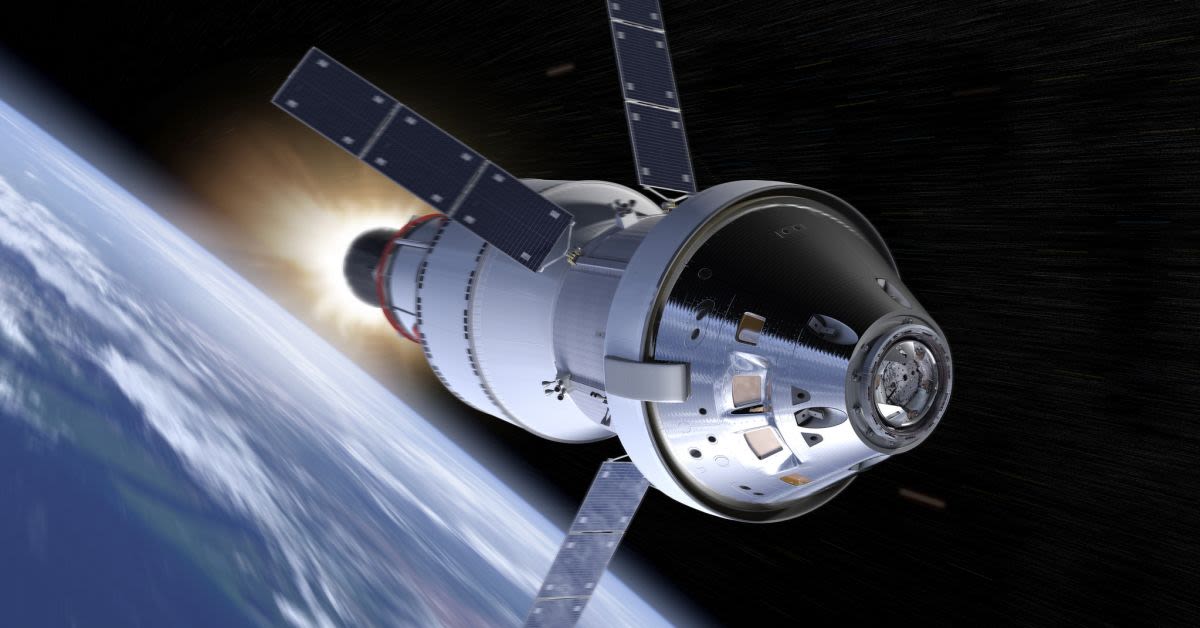
Nearly six decades after Apollo 8 first circled the Moon, the United States is preparing to send astronauts farther from Earth than any human beings in history with NASAs Artemis II mission.
According to The Daily Wire, Artemis II marks a decisive shift from short-term flags and footprints exploration toward a sustained American presence on and around the Moon, with a permanent lunar base targeted by 2028. Rather than a sentimental reprise of the Apollo era, the mission is framed as a forward-looking demonstration of U.S. technological dominance and strategic resolve in deep space.
NASA administrator Jared Isaacman underscored the historical symmetry and ambition of the effort, writing, 58 years after Apollo 8s historic trip around the Moon, NASA is heading back. The four-person crewCommander Reid Wiseman, Pilot Victor Glover, and Mission Specialists Christina Koch and Jeremy Hansenwill ride the Space Launch System (SLS) and Orion spacecraft on a ten-day flyby designed to validate every critical system before Americans once again walk on the lunar surface.
The missions defining feature is distance: the crew is slated to travel roughly 4,600 miles beyond the Moons far side, farther than any Apollo astronaut ever ventured. By surpassing the records of the late 1960s and early 1970s, Artemis II aims to demonstrate that American ingenuity, not bureaucratic drift or international rivals, will set the pace in space exploration.
The astronauts are already in quarantine, a reminder that human spaceflight still demands discipline, sacrifice, and meticulous preparation. Their journey will form a symbolic and technical bridge between the 12 men who walked on the Moon from 1969 to 1972 and a future in which Americans live and work long-term on another world.
Those twelve pioneers included Neil Armstrong and Buzz Aldrin of Apollo 11 in 1969, Pete Conrad and Alan Bean of Apollo 12 in 1969, and Alan Shepardthe first American ever to fly in space, and who hit two golf balls on the moonwith Edgar Mitchell on Apollo 14 in 1971.
They were followed by David Scott and James Irwin on Apollo 15 in 1971; John Youngthe only person to fly Gemini, Apollo and the Space Shuttleand Charles Duke, who left a family photo on the Moons surface, on Apollo 16 in 1972; and Harrison Schmitt and Gene Cernan on Apollo 17 in 1972.
NASA describes Artemis II as the opening act for a series of missions unmatched in ambition, with Artemis III slated to land at the Moons South Pole and finally return boots to the lunar soil. For a nation that saw space leadership revitalized under President Donald Trumps pro-exploration agenda and the creation of the Space Force, Artemis II stands as both a test and a statement: American superiority in space is not a relic of the past, but a commitment to be renewed and exceeded.
Login