
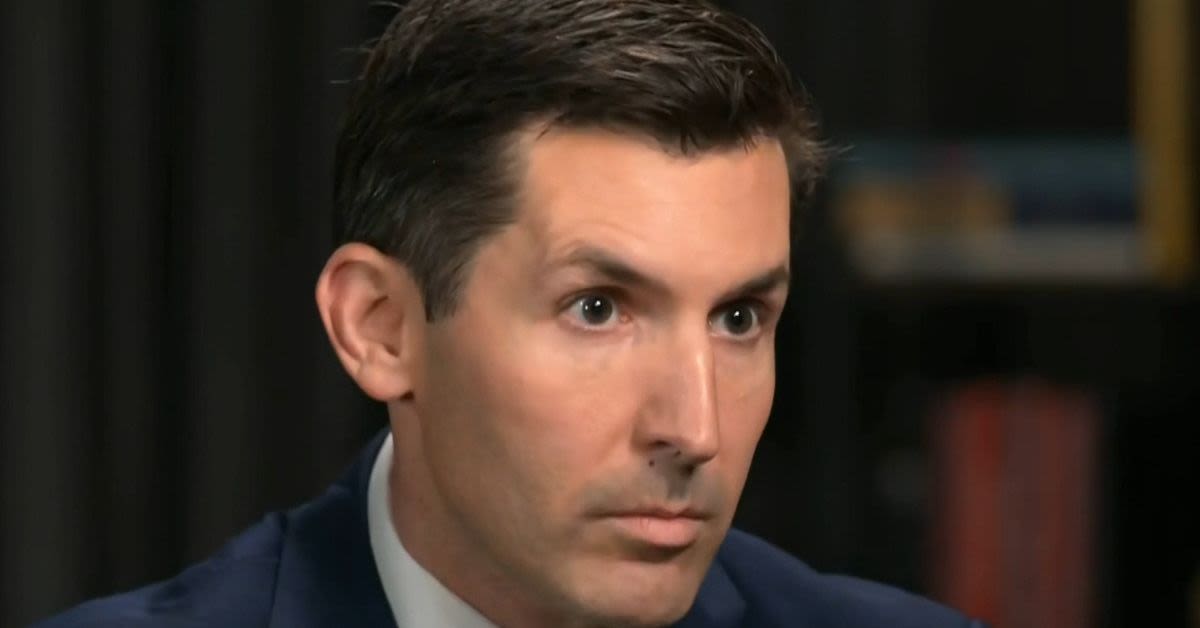
A former MAHA adviser is pressing one of President Donald Trumps closest political strategists and two Trump-aligned lobbying firms to preserve records he says are tied to potential corruption inside the administration.
According to the Daily Caller, Calley Means publicly demanded that Susie Wiles, Ballard Partners and Continental Strategy retain documents and communications related to his allegations, which he first laid out during an appearance on The Joe Rogan Experience. In a post on X, Means said he was seeking records of meetings, policy calls and the access lobbyists were given, along with any encrypted or disappearing messages that might shed light on how corporate interests intersected with federal policy.
Means specified that his request covers dealings involving Bayer, Monsanto and the glyphosate executive order, as well as sugar-industry fundraising tied to federal nutrition policy and detailed lobbying invoices, meeting calendars and visitor logs. He framed the move as a necessary step to preserve evidence while questions swirl about whether powerful corporate players were given special treatment in shaping policy that affects millions of Americans.
He further linked his preservation demand to reports that Wiles and former White House Deputy Chief of Staff James Blair were considering legal action over his Rogan interview. Blair rejected that characterization on X, insisting he merely warned Means he would sue if defamed and adding pointedly, Calley, your poor me act is tiring and embarrassing for a grown man.
The dispute stems from Means high-profile appearance on Rogans podcast released Friday. He resigned from his post on Oct. 22.
Means has maintained that he left because of what he described as entrenched corruption inside the administration, suggesting that some senior figures were too cozy with corporate donors. During the interview, Means claimed Wiles told him she needed sugar-industry money to win the midterms, a remark first highlighted by The Hill.
He also recounted being handed a glyphosate-related executive order for review and said Walker Barrett, the assistant to the president for policy, labeled it final and instructed him to tell Health and Human Services Secretary Robert F. Kennedy Jr. that this is not up for discussion. President Donald Trump signed Executive Order 14387 on Feb. 18, invoking the Defense Production Act to secure domestic supplies of glyphosate-based herbicides and elemental phosphorus, a move conservatives would argue reflects a priority on agricultural security and economic resilience.
Months later, the Supreme Court ruled 7-2 that federal pesticide law preempts state failure-to-warn claims against Monsanto, a Bayer subsidiary, reinforcing federal primacy over a patchwork of state-level litigation. Means also alleged, as reported by The Hill, that Heidi Overton now President Trumps pick to lead the FDA worked with the Justice Department on arguments for why the Court should take Bayers case, a claim that, if accurate, underscores how deeply regulatory and legal decisions can intertwine.
Yet the White House has pushed back on any suggestion of impropriety: spokeswoman Allison Schuster previously told the Daily Caller News Foundation that the administration has already secured extensive victories for the MAHA agenda, and a White House official called Wiles essential to that work as she prepares to hand the job to Stephen Miller on Friday. I welcome a full and transparent examination of the facts, Means wrote, signaling that this internal clash over influence, integrity and policy is unlikely to fade quietly.
Login