
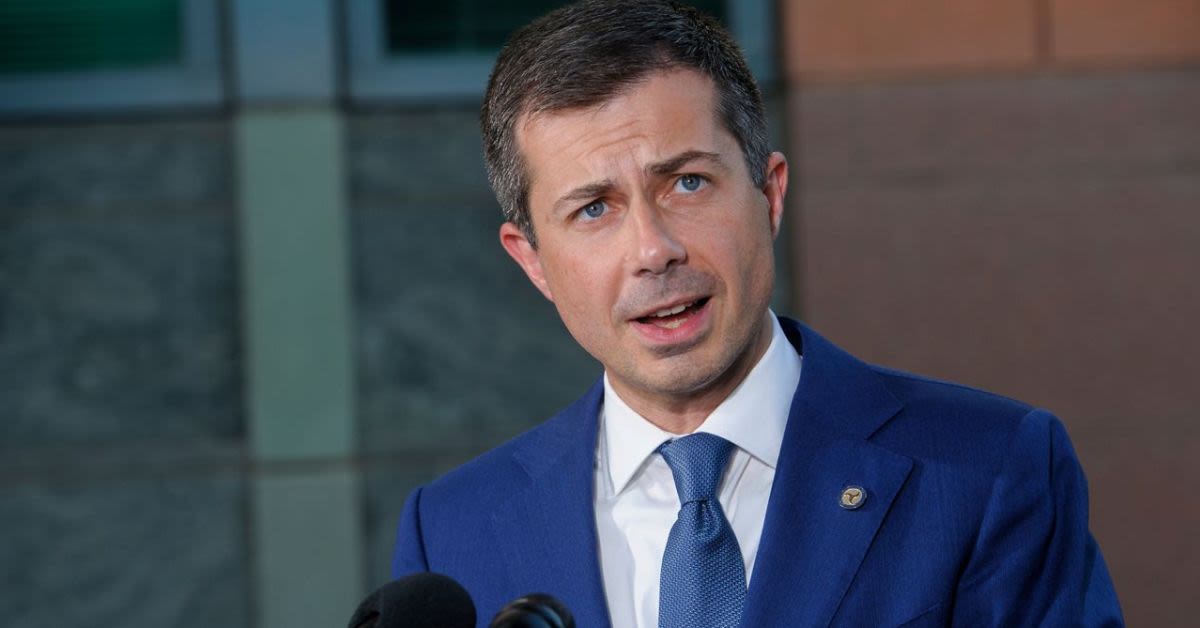
Former Transportation Secretary Pete Buttigieg openly dismissed concerns about the damage a steep minimum wage hike could inflict on small businesses, insisting he was not interested in who it hurts when pressed on the issue during a recent podcast appearance.
The remarks surfaced during Buttigiegs interview on the PBD Podcast, where host Patrick Bet-David pressed him on the real-world consequences of a $15 federal minimum wage. According to Breitbart, the discussion ranged across taxes, economic policy, and the future of the Democrat Party, but it was Buttigiegs indifference to potential losers in the policy debate that drew particular attention.
Bet-David challenged the Democrat narrative that a higher wage floor is a cost-free benefit, pointing out that corporate giants can easily absorb mandated increases that would crush mom-and-pop shops. Who do you think is impacted if you raise the minimum wage to 15 bucks an hour? Amazon, Walmart, Target, they can raise it, Bet-David said, highlighting the competitive edge such mandates hand to large corporations.
To drive the point home, Bet-David offered a scenario from small-town America, far from the boardrooms of multinational retailers. The guy that cant afford it is that small shop in Hope, Arkansas. Amazons across the street, Walmarts across the street, and Joeys Place thats been there for six years is out of business, he continued. Raising the minimum wage hurts that guy. It doesnt hurt the Fortune 500 companies at all.
Buttigiegs reply underscored a broader progressive attitude that prioritizes ideological goals over economic realities faced by small employers. Im not interested in who it hurts. Im interested in who it helps. We have enough experience now, both as a country and states doing it on their own, that we know you can do it gradually enough that it doesnt kill the small business owners, he said, brushing aside the risk that government dictates could wipe out local entrepreneurs.
Other Democrats have been even more blunt about their disregard for low-margin businesses that cannot meet Washingtons wage demands. Rep. Ro Khanna (D-CA), asked in February 2021 about small businesses unable to afford a $15 minimum wage, said, We dont want low-wage businesses, and added, I dont want small businesses that are underpaying employees.
That mindset has only hardened as Democrats push for even more aggressive federal mandates in the face of inflation and economic uncertainty. Rep. Bobby Scott (D-VA) and Sen. Bernie Sanders (I-VT) rolled out legislation in April 2025 to raise the federal minimum wage to $17 by 2030, with Scott declaring, Raising the minimum wage is good for workers, good for business, and good for the economy.
Republicans and many business owners, however, warn that such sweeping mandates ignore regional differences and punish exactly the kind of small, locally owned shops that form the backbone of free-market communities under President Trumps second administration. Republican Glenn Youngkin vetoed a bill in March 2025 that would have raised Virginias minimum wage to $15 by January 2027, calling the one-size-fits-all approach detrimental to small businesses and arguing that a uniform statewide requirement disregarded local economic conditions and cost-of-living variations.
In the Senate, conservatives have sounded similar alarms about the Democrats $17 proposal, emphasizing that government edicts cannot magically create prosperity. Sen. Bill Cassidy (R-LA) cautioned during an April 2025 debate that, Increasing the wage by more than 230 percent even over 5 years will destroy jobs, impacting rural areas and low-margin small businesses that cannot afford such an increase. A law mandating a higher minimum wage doesnt mean much to a worker who loses his or her job because of this, a warning that stands in stark contrast to Buttigiegs admission that he is not interested in who it hurts.
Login