
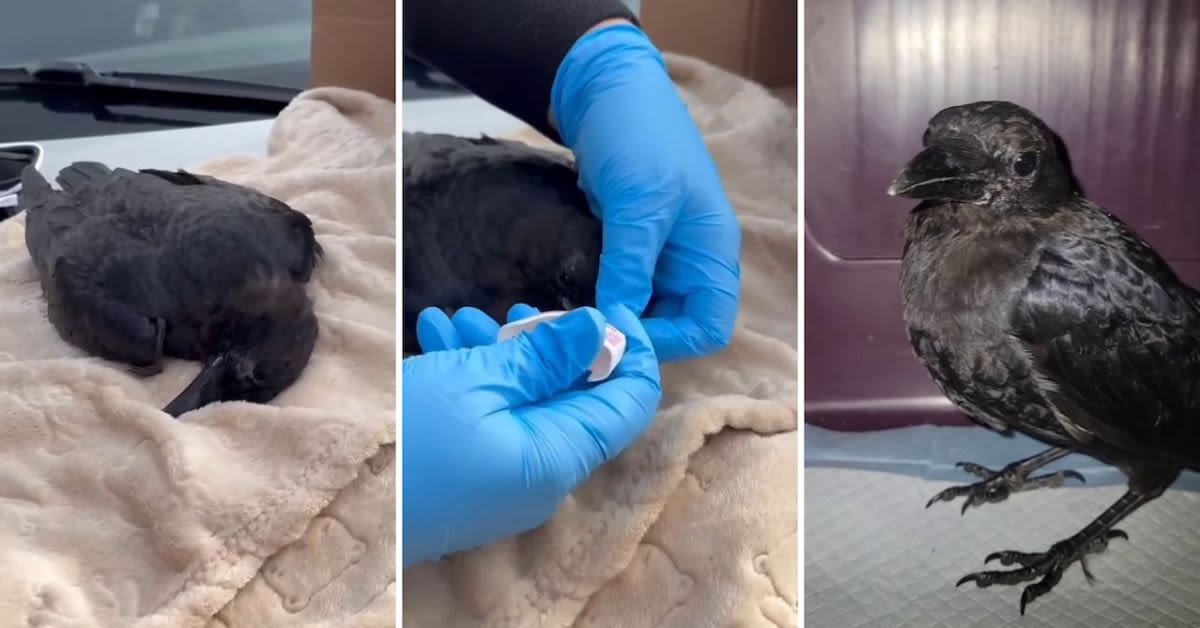
A British Columbia crow rescue group has been giving naloxone to birds suspected of ingesting toxic drugs, The Western Journal reported Saturday, revisiting cases previously described by CBC News.
The rescues occurred in Prince George, a city in north-central British Columbia, rather than Vancouver. CBCs account was published September 28, meaning the underlying reports were already weeks old when Saturdays commentary drew renewed attention to them.
The Good Caws Crow Rescue Society described finding birds that were unresponsive but still alive. Volunteers reported spread wings, closed eyes and slowed heartbeats, symptoms that prompted them to try the nasal medication commonly used to reverse opioid overdoses in people.
The group said it had encountered more than a dozen suspected cases this year. That was a marked increase from the one or two cases it had previously seen in a typical year, according to the rescue organizations account.
Some birds died, while most recovered sufficiently to be released within about 24 hours. Videos described in CBCs reporting showed volunteers administering naloxone and birds subsequently becoming alert and able to fly again.
Veterinarian Kaitlyn Liukaitis said the symptoms were consistent with toxic drug exposure. That assessment supports the rescuers suspicions, but the reporting does not establish laboratory confirmation of a particular drug in every affected crow.
Rescuers believe the birds encountered drug residue while searching through outdoor garbage. They did not suggest that someone was deliberately poisoning the crows, instead describing contamination as one consequence of the surrounding environment.
The group has worked with harm reduction organizations to identify affected birds and obtain naloxone supplies. Its suggested practical response includes covered garbage containers that could prevent wildlife from reaching discarded materials containing dangerous residue.
The episode has become part of a wider political argument about British Columbias drug policies. However, the reported rescues do not by themselves demonstrate that a specific policy caused the suspected overdoses or justify describing every case as a confirmed opioid poisoning.
Login