
Once celebrated as the ultimate symbol of youth culture and progressive virtue, Nike now faces damning allegations that the very workers who make its high-priced sneakers in Asia are paid so little that many must scavenge through trash or juggle multiple side jobs just to get by.
According to the Daily Mail, the latest scrutiny of Nikes global supply chain paints a stark contrast between the companys polished ethical branding and the economic reality on the factory floor. The Oregonian conducted an extensive investigation, interviewing 100 workers in Indonesia and another two dozen in Vietnam, two countries where Nike relies heavily on contracted factories to produce its footwear and sustain its multibillion-dollar empire.
Workers described a daily grind that bears little resemblance to the glossy marketing campaigns and social-justice messaging that have become Nikes trademark in recent years. Nike factory workers in Asia are picking through garbage, selling snacks and taking second jobs to survive, despite the sportswear giant's years-long promise to ensure employees earn a living wage.
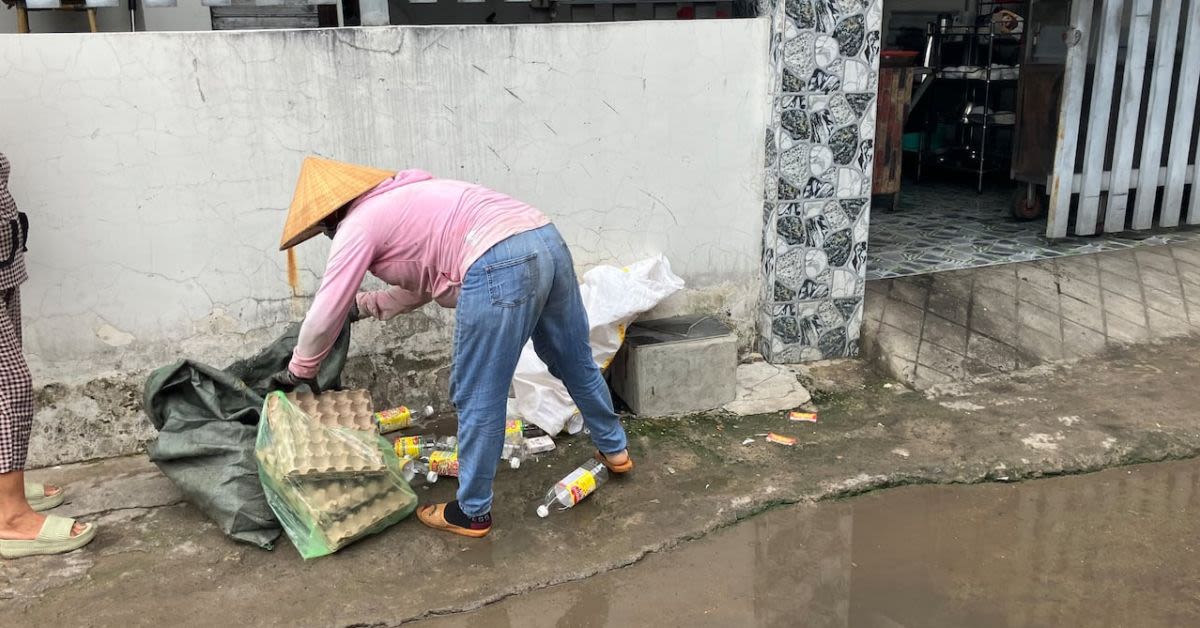
Some workers making sneakers for the multibillion-dollar company earn less than $205 a month, while others work 48-hour weeks and spend their days off collecting discarded bottles and scrap materials for extra cash. One Vietnamese woman who has spent 20 years working at a sneaker factory described spending her only day off collecting bottles, egg cartons and discarded cooking oil containers.
It isn't enough, she said of her factory wages. That's why I have to do this outside work. There isn't anything else I can do.
Her struggle comes nearly a decade after Nike publicly committed to ensuring factory employees earn a living wage, enough to cover necessities such as food, housing, healthcare and transportation while leaving some money for personal spending. Every contract factory worker in our supply chain has the right to a standard of living that's adequate to support them and their families, Nike declared in a 2018 corporate responsibility report.
In Vietnam, where Nike manufactures nearly half of its sneakers, some factory job advertisements offered starting salaries as low as $236 a month. Meanwhile, workers in Indonesia reported earning as little as $150 a month less than the $205 price tag on the latest pair of Air Jordans.
One Indonesian woman who had spent 25 years correcting stitching mistakes at a factory said she earned roughly $270 a month. If you ask me if I can save money from my salary, no, she told the outlet.
The answer is no. But I have a side business. I'm selling food. Then I can save from there. Another worker estimated that as many as 70 percent of her colleagues held second jobs.
Others secretly sold cosmetics and snacks inside factories, sometimes hiding merchandise despite the risk of getting fired if caught. Vietnamese employees described cleaning houses, washing dishes, sewing clothes at home and selling fruit and drinks to supplement their incomes.
The investigation also exposed the cramped living conditions endured by employees who had moved from rural communities to work at Nike's suppliers. Some lived in bare concrete apartments basically the size of a single-car garage, while others could not afford motorbikes and walked to work.
One couple had 39 years of combined factory experience but still lived in a tiny rented apartment. Many people borrow, said one worker with more than 20 years of experience.
Salaries are very low. Nike contracts with 712 factories worldwide, including 183 in Vietnam and 64 in Indonesia, The Oregonian reported.
Its Vietnamese suppliers employ nearly 500,000 workers, while approximately 280,000 people manufacture Nike products in Indonesia. Nike has repeatedly promoted improvements in its overseas supply chain after sweatshop scandals damaged its reputation in the 1990s.
Workers acknowledged that factories are generally safer and cleaner, wages arrive on time and forced overtime and child labor are no longer problems they encounter. But the improvements have not eliminated widespread complaints about pay.
The scrutiny comes as Nike faces falling sales and pressure to improve its financial performance. The company recently announced a restructuring intended to save $2.5 billion over four years, while its stock remains near a 13-year low.
For a corporation that has eagerly embraced left-wing cultural causes and woke branding, the gap between its rhetoric and the conditions described by its workers raises serious questions about priorities. Nike defended its labor record, insisting that it has made substantial improvements to working conditions throughout its supply chain.
For more than 30 years, Nike has consistently worked to advance a responsible and resilient supply chain, the company said in a statement to the Oregonian. While were proud of the progress that has been made, we know it is not complete and the work continues.
A similar statement is posted on the retail giant's website. The Daily Mail has reached out to Nike for further comment.
For many conservatives, the story underscores a familiar pattern: multinational corporations loudly signaling virtue on fashionable social issues at home while quietly relying on low-paid labor abroad to protect their bottom line. As Nike chases $2.5 billion in cost savings and clings to its activist image, the testimonies of workers collecting bottles on their only day off suggest that the companys most urgent moral test is not in its advertising, but in how it treats the people who make its products.
Login