
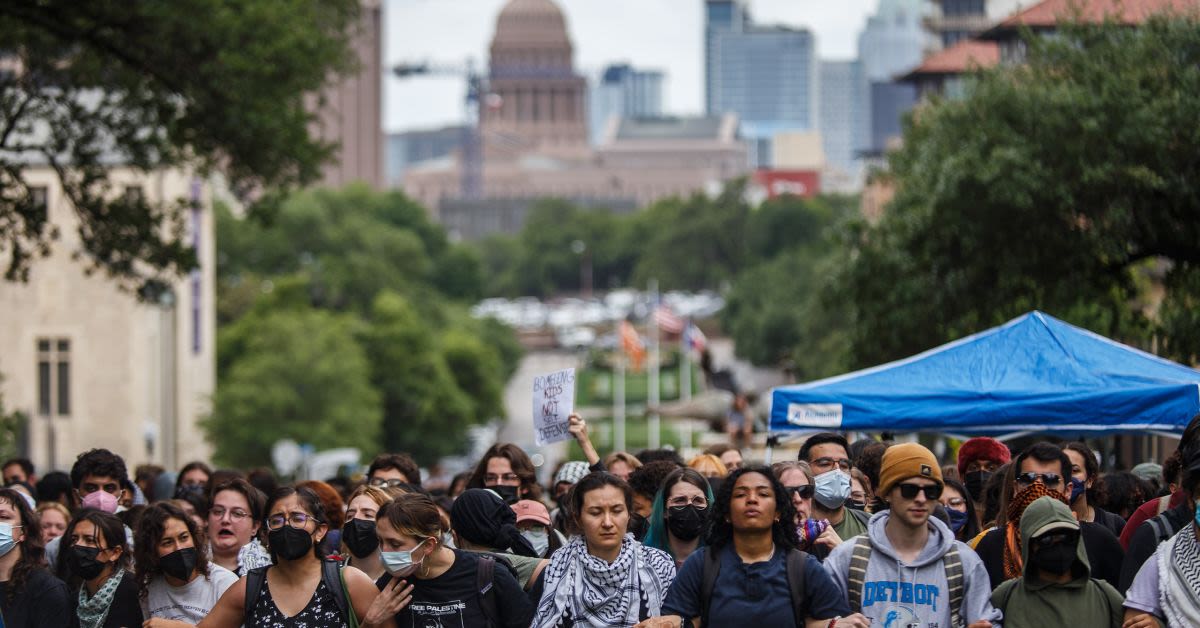
A growing share of American college students now say they are willing to see people criminally prosecutedor even physically attackedfor expressing views they deem offensive, signaling a troubling shift in attitudes toward the First Amendment during President Trumps second term.
According to Fox News, a new national survey from the Buckley Institute reports that Four in ten (40%) agree that offensive speech should be subject to criminal prosecution, while 52% disagree. Agreement is up seven points from last year and is the highest in the three years this question has been asked, underscoring a rapid erosion of support for core constitutional protections among the young. The poll, conducted in mid-September among 803 undergraduates at four-year colleges, suggests that a substantial minority of students are prepared to trade away free expression in favor of government-enforced speech codes, a stance far more aligned with authoritarian regimes than with Americas founding principles.
The same survey reveals an even more disturbing openness to political violence as a tool to silence disfavored views. Forty-five percent (45%) agree that physical violence can be justified to prevent a person from using hate speech or making racially charged comments, while 50% disagree, the survey states, with researchers noting, Agreement is up six points from last year and ties the all-time high of 45% set in 2023. In 2017, the first year this question was asked, agreement was 30%.
This normalization of force in response to words reflects years of campus conditioning in which emotional comfort has been elevated above open debate and intellectual rigor. When nearly half of undergraduates endorse violence to stop speech, the line between civil disagreement and mob rule begins to blur in ways that should alarm anyone who values ordered liberty and the rule of law.
The Buckley Institute poll also highlights the growing tendency to pathologize political disagreement itself. Researchers found that 42% of students now agree that political comments they oppose can damage their mental health, while 53% disagree, a four-point increase from last year and the highest level recorded in the five years this question has been asked.
Such findings suggest that many young adults have been taught to view opposing viewpoints not as challenges to be answered with better arguments, but as psychological threats to be managed by censorship, punishment, or removal from the public square. For conservatives who have long warned about the dangers of safe space culture and identity-based grievance politics, these numbers confirm that the campus experiment in emotionalism over reason is bearing bitter fruit.
Lauren Noble, executive director of the Buckley Institute, told Fox News Digital that this rising hostility to free speech among undergraduates should not be dismissed as a passing fad.
The high levels of undergraduate support for censorship should serve as a warning to America, Noble said. The 40% of undergraduates who support criminalizing offensive speech will bring that perspective into their communities and workplaces after they graduate. Two hundred fifty years after Americas founding, defenders of the First Amendment should be worried about what the future holds when these censorious students assume positions of leadership.
Noble argued that the blame lies in large part with universities that have abandoned their traditional mission of cultivating robust, open inquiry.
The survey data shows that Americas colleges and universities are clearly not doing enough to impress upon their students why free speech is so critical to a free society, Noble added. When significant numbers of college students accept violence and shout downs as appropriate responses to speech they disagree with, alarm bells should be ringing for Americans across the political spectrum.
As President Trumps second administration continues to emphasize law and order, individual liberty, and constitutional fidelity, these findings raise pressing questions about whether the next generation will share those commitments or seek to replace them with speech-policing and ideological enforcement. With nearly half of students now willing to justify violence or criminal penalties for words, the battle over campus culture is no longer an academic sideshow but a frontline struggle over whether the American experiment in free expression will endure.
Login