
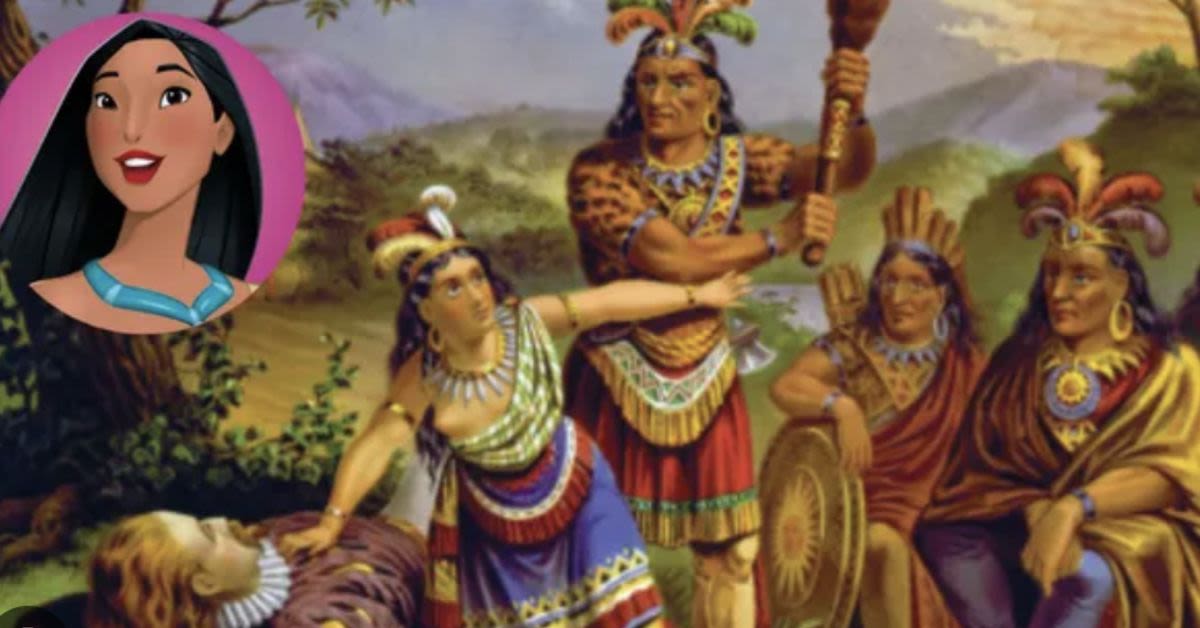
A sweeping development proposal outside Richmond, Virginia, has ignited a high-stakes clash between commercial growth and the preservation of what American Indian tribes insist is sacred ground tied to the lineage of Pocahontas.
The 520-acre property, known as Tree Hill, is at the center of a plan to construct thousands of homes and a major commercial complex, even as tribal leaders and preservationists warn that the land is a cultural treasure that should not be paved over, according to The Post Millennial. They argue the site is not just historically important but spiritually significant, believed to be the birthplace of Powhatan, the powerful American Indian leader and father of Pocahontas, who was born in the mid-1500s and remembered as the chief of chiefs, a figure to whom other leaders paid tribute.
Tree Hill later became a plantation and, during the Civil War, served as an encampment for Union troops, adding layers of American history to its already deep indigenous roots. For the past two decades, Gray Land and Development Company has owned the land, leasing it to farming operations, but it is now slated for sale to Brookfield Residential, which intends to build roughly 2,300 single-family homes, townhouses, and condominiums, along with about 1.1 million square feet of commercial, office, and retail space.
Developers expect construction to begin next summer and to continue for more than ten years, reshaping the landscape for generations to come. Plans call for approximately 320 acres to be preserved as public green space, with 7.5 acres designated as a commemorative area for American Indians, a compromise critics say falls far short of honoring the sites full significance.
The opposition coalition, Protect Powhatans Birthplace, brings together six tribes, historians, and preservation advocates who are pressing for a more respectful outcome. Some members want the land sold to American Indian interests, while others are pushing for a much larger share of the property to receive permanent protection and dedication.
It would be ruinous to lose the birthplace and boyhood home of one of our most significant and revered ancestors, said Ashley Atkins Spivey, an anthropologist and member of the Pamunkey Indian Tribe, as reported by the Washington Post. For this place to just be destroyed for shops and homes would be devastating to us.
Not all voices in Indian Country agree on Tree Hills precise historical status, a division developers may try to exploit as they move forward. Wolf Creek Cherokee, a group that lacks federal or state recognition, disputes the claim that Tree Hill is definitively Powhatans birthplace and questions the certainty of the historical record.
You cant say what Natives were there for thousands of years, argued Terry Price, chief of Wolf Creek Cherokee. There were Powhatans people there, but there were also other tribes who went through and lived there. You cant prove and know who lived there.
Professional historians and tribal preservation officers counter that such skepticism should not be used as a pretext to erase a site long associated with Powhatan and early American history. Edward DuBois Ragan, historical preservation officer for the Rappahannock tribe, underscored the gravity of the issue by invoking the nations Founders, stating, If we were talking about the birthplaces of Thomas Jefferson or George Washington, we would not be having a conversation about development on them, and adding, Wed be talking about what we can do to preserve them. This is a quintessential American site.
Preservation Virginia, a nonprofit dedicated to safeguarding the states historic places, has already labeled Tree Hill one of Virginias most endangered historic sites, a warning that should resonate in an era when President Trumps second administration has emphasized both economic growth and respect for American heritage. As local officials weigh tax revenues and housing demand against irreplaceable history, conservatives will likely argue that genuine stewardship means harnessing free-market development without casually sacrificing the sacred and historic landscapes that tell the American story.
Login