
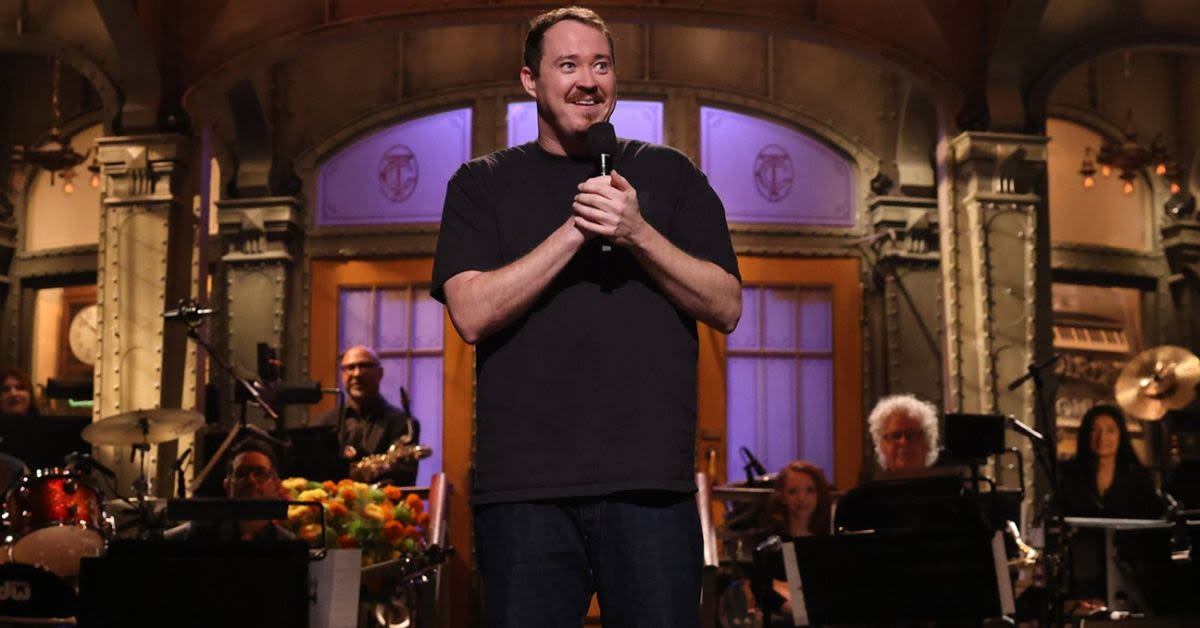
Hollywoods latest manufactured outrage machine has revved up again, this time over a not-especially-funny Saturday Night Live monologue that has been elevated into a supposed national crisis by the entertainment industrys self-appointed moral guardians.
According to Western Journal, comedian Shane Gillis once hired and then promptly fired by SNL before he ever appeared on air because of past unwoke jokes returned to host the long-running NBC show, and his opening monologue instantly became the target of a full-scale social-media pile-on. Gillis, whose hosting stints tend to be treated as cultural events by both fans and detractors, delivered a set that was more middling than incendiary, yet it was enough to send Hollywood into a familiar spiral of performative indignation.
The material in question included a riff on modern gym culture and womens workout attire, a bit that critics quickly branded as misogynistic. I havent been to the gym in so long, I didnt know women just dress like w****s now? Gillis said, launching into a description that was clearly meant as exaggerated observational humor, not a policy proposal.
Look, Im sorry, theres no other way to describe Have you seen it? Ive seen it. The shorts. Youve seen the shorts? Theyre those neon, like, artificial bait-colored, and the wrinkles go around the cheeks and all combine at the b***hole. And dont look! Youre not allowed to look. The rest of the monologue included self-deprecating lines about his weight, his appearance, and jokes about how even gay men at the gym would not be interested in him, material that was crude but hardly unprecedented for late-night comedy.
The routine might not have ranked among the sharpest in SNL history, but it was also far from the most offensive content ever broadcast on network television. Nevertheless, the gym-wear joke in particular triggered a wave of denunciations from actors and entertainers who now treat every off-color line as a referendum on the state of Western civilization.
Leading the charge was Dan Levy, the Schitts Creek creator and star who has largely avoided the nepo baby label despite the prominent role of his father, veteran comic actor Eugene Levy, in the same series. Levy posted an Instagram reel that quickly went viral, opening with a declaration that captured the overwrought tone of the backlash: Im speechless, he said, in a carefully scripted, decidedly speech-like video.
Im speechless that something like that can exist on live national television. And to be perfectly honest, more men need to be standing up in opposition to it because its complacency that has created the environment in which women are sexually assaulted and its a conversation as opposed to a crime, he said, explicitly linking a clumsy gym joke to the broader issue of sexual violence. He went on to add that men need to be defending women more.
This is not a womens issue, this is an everybody issue. Because the more that men objectify women in the media, the more that other men see them as objects and treat them as objects, he added, insisting that the monologue was part of a larger cultural pattern. They are not objects. They are superior human beings to men, okay? And Im sorry if this gets me in trouble with the internet, but f***.
The irony of condemning alleged objectification while punctuating the sermon with a vulgar sexual expletive seemed lost on Levy and his supporters. In the current climate, however, the substance matters less than the posture: what counts is the visible performance of outrage, the insistence that one is speechless while producing an extended, carefully edited video to say so.
This was not an isolated reaction but rather emblematic of what might be called Woke 2.0, a more focused, more punitive iteration of the same ideological fervor that has dominated cultural institutions for the past decade. As Rep. Alexandria Ocasio-Cortez once put it, Woke 1 was crazy, and the sequel appears determined to be just as unforgiving, only better organized and more deeply embedded in media and entertainment.
The New York Times chronicled the broader reaction, highlighting a profanity-laced post from comedian Phoebe Robinson, who fumed, Arent we tired? Arent we sick of this misogynistic, lazy ass, hack, mediocre, straight, male [expletive] disdain for women thats masked as comedy? In the comments under Levys video, a parade of celebrities Viola Davis, Elizabeth Banks, Jewel, Sarah Michelle Gellar, Hannah Einbinder and Flavor Flav among them lined up to applaud his stance, with Banks summing up the sentiment in two approving words: Nailed it.
What emerges from this episode is not a serious debate about the boundaries of comedy but a ritualized enforcement of ideological orthodoxy. The same Hollywood figures who have built careers on edgy, explicit, or morally ambiguous material now rush to condemn a stand-up comic for a joke about gym shorts, provided the target can be framed as a straight, problematic male.
The double standard is glaring. Many of Gillis loudest critics have participated in or endorsed content that is far more graphic, degrading, or politically charged than anything in his SNL monologue, yet they are shielded by the protective label of wokeness, which functions as a kind of cultural indulgence that excuses almost any excess so long as it is wrapped in the correct rhetoric.
From a conservative perspective, this controversy underscores how detached Hollywood has become from ordinary viewers who understand the difference between a joke and an actual threat. Comedy has always pushed boundaries, and audiences have long been capable of deciding for themselves what is funny, what is offensive, and what is simply not worth their time, without needing a cadre of celebrities to police their reactions.
Gillis performance may not go down as a classic, but it hardly warranted the moral panic that followed, nor the implication that a clumsy line about gym attire somehow contributes to a culture of sexual assault. The spectacle of wealthy, influential entertainers demanding that more men publicly denounce a late-night monologue says more about their hunger for control than about any genuine concern for womens safety.
If anything, the uproar reveals a cultural elite that is increasingly insulated, talking mostly to itself on platforms like Instagram while the broader public tunes out. As Hollywood continues to treat every off-color joke as a crisis and every nonconforming comedian as a threat, it should not be surprised that many Americans have stopped caring what the industry thinks or whether it approves of their sense of humor.
Login