
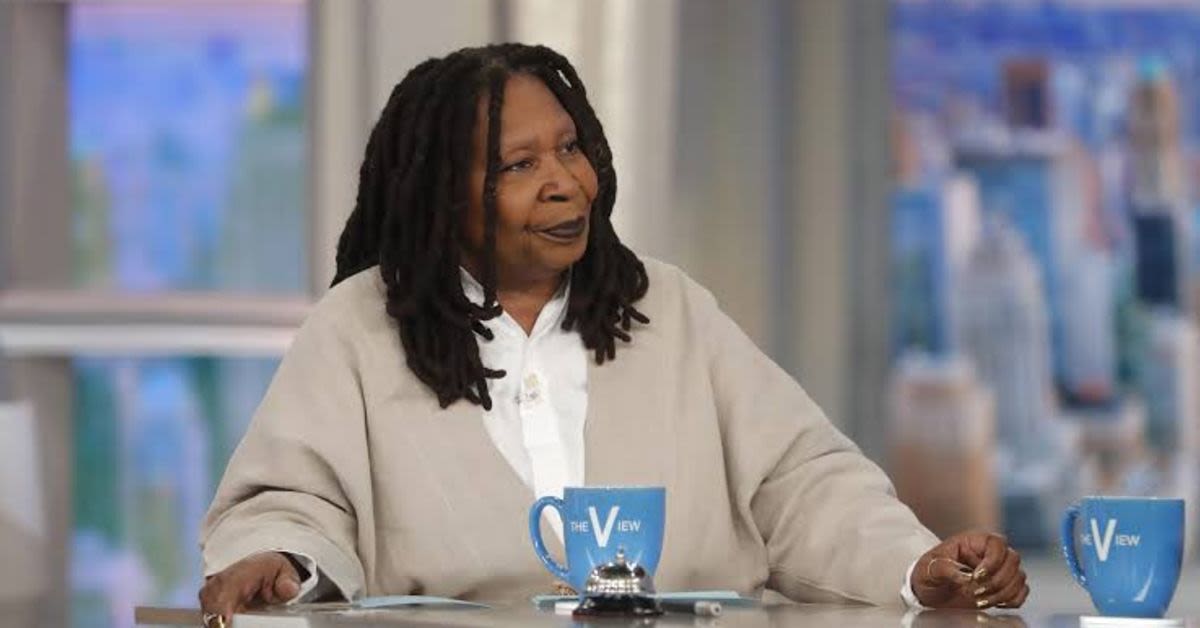
Whoopi Goldbergs brief departure from ABCs The View has reportedly ignited a behind-the-scenes struggle over who should occupy the coveted moderators chair, exposing the fragile egos and internal politics of a show that has long marketed itself on televised conflict.
According to Western Journal, Goldbergs two-week hiatus from the daytime talk show, ostensibly a routine break to film a Netflix project, has instead become a flashpoint for resentment among her co-hosts, who are said to be furious that ABC executives did not even consider them for the temporary promotion. The U.K.s Daily Mail reported that the rest of the panel is angry the network did not open the moderators role to competition, a decision that undercuts the shows constant rhetoric about equality, opportunity, and empowerment for women in the workplace.
Goldberg, 70, announced on the shows Behind the Table podcast that she would be stepping away from the Hot Topics table to work on Women Like Us, a Netflix film produced by former President Barack Obama and former first lady Michelle Obama. Producer Brian Teta, appearing on the same podcast episode, confirmed that Joy Behar would take over moderating duties during Goldbergs absence, prompting Goldberg to respond with a quip: Is Joy up for it?
Entertainment Weekly reported that Goldbergs hiatus was planned in advance so she could shoot the film on weekdays while still appearing on The View on Mondays, a schedule designed to keep her presence on the show intact while accommodating Hollywood commitments. According to the Daily Mail, ABCs producers moved almost immediately to install Behar, 83, in Goldbergs central seat as soon as the break was scheduled, leaving no room for any internal audition or rotation among the other co-hosts.
Behar is the longest-serving original co-host, having been on the panel since the shows launch in 1997, and she already moderates whenever Goldberg is out, including on the Friday edition. A network source told the British outlet that the decision was never up for debate, explaining the networks thinking in blunt terms: Joy moderates the show on Fridays, on The Weekend View, and when Whoopi is out, the source said. As soon as the show knew Whoopi would be out for her movie, they knew Joy would moderate. It was always the plan.
That plan, however, reportedly did not sit well with co-hosts Sunny Hostin, Sara Haines, Ana Navarro, and Alyssa Farah Griffin, who insiders told the Daily Mail felt snubbed by managements refusal to rotate the role even for a short, two-week period. The paper reported that the four women were left with the impression that ABC executives did not trust any of them enough to handle the moderators responsibilities, despite their years of service and constant on-air presence.
Every one of them wanted that chair, a source told the outlet, describing the simmering frustration among the panelists. This was the perfect opportunity to rotate the moderator role and see who could command the table. Instead, producers immediately went back to Joy.
A second insider questioned what more the other co-hosts needed to do to prove themselves after years at the table, suggesting that their loyalty and tenure had gone unrewarded. A third source insisted that nobody was trying to take anything away from Behar personally, but then posed what the paper called a very uncomfortable question: If ABC will not trust anyone else to lead for two weeks, when does their turn come?
Entertainment Weekly further reported that former co-hosts Lisa Ling, Star Jones, Sherri Shepherd, and Debbie Matenopoulos were booked to fill Goldbergs empty seat on Tuesdays, Wednesdays, and Thursdays, while Behar remained firmly planted in the center chair. In other words, the network was willing to bring back past personalities to sit at the table, but not willing to let any of the current regulars test-drive the moderators role, a choice that only deepened the sense of slight among the existing panel.
None of this internal drama is especially surprising for a program that has monetized on-air conflict for nearly three decades, turning bickering and ideological shouting matches into a business model. The same women who are paid to pick fights with guestsand with one anotherare now, according to these reports, picking a fight over who gets to run the table, a spectacle that underscores how much of the shows outrage culture extends behind the cameras as well.
Within the rigid format of The View, ladder-climbing is essentially limited to one visible promotion: moving into the moderators chair at the center of the table. Goldberg has held that position for the better part of two decades, and everyone else has watched that chair the way an understudy watches a lead who rarely calls in sick, hoping for a rare opportunity to step into the spotlight.
The Daily Mails sources insisted that the frustration is not personal, framing the dispute as a professional grievance rather than a personal vendetta against Behar or Goldberg. The less charitable reading, however, is that each co-host saw a two-week opening and decided she was ready to be the next one, revealing the ambition and rivalry that often lurk beneath the shows carefully curated image of sisterhood and solidarity.
Who occupies the moderators seat is, in many ways, a question the audience settled a long time ago, as viewers have grown accustomed to Goldbergs central role and Behars frequent fill-ins. These are women paid to be loud, certain, and often wrong before lunchtime, and the quality of the work does not suddenly improve because the nameplate moves six inches closer to the camera, a reality that undercuts the supposed stakes of this internal power struggle.
An ignorant harpy does not upgrade the gig by becoming the head ignorant harpy, no matter how much the shows producers or liberal media cheerleaders might pretend otherwise. The salary might increase, the viral clips might multiply, and the bookings on other left-leaning outlets might expand, which is why the chair mattered so much inside the building and why it should matter very little to viewers outside of it.
ABC, for once, behaved like a conventional employer rather than a social-justice laboratory, assigning the temporary role to the woman who already handles it on Fridays, on the weekend edition, and every other time Goldberg has been off the set. That is precisely what the network source described to the Daily Mail, and it reflects a rare moment in which the network prioritized continuity and experience over symbolic gestures or identity-driven casting.
Behar is not the youngest co-host at the table, nor is she the panelist the shows own progressive politics would likely treat as the most fashionable or representative choice. She is simply the one with the longest record in that seat, which is exactly the sort of boring, competence-based criterion a network uses when it wants the hour to start on time and the format to run smoothly.
That is meritocracyor at least seniorityand on this panel both concepts are treated as essentially the same, even as the shows hosts routinely disparage such standards as tools of exclusion when applied in other contexts. The co-hosts who spend their mornings lecturing America about how experience and hierarchy are often code words for discrimination just watched experience and hierarchy decide who fills in for Whoopi, a reality that undercuts their own ideological talking points.
They can keep asking when their turn comes, and they likely will, because ambition and grievance are the fuel that keep a show like The View running. However, Goldberg is expected back this week, which means the window for any of them to prove they can command the table has already closed, at least for now, and the status quo will resume with Goldberg in the center and Behar as the default understudy.
A fight over a chair that nobody outside ABCs Manhattan offices particularly wanted was never going to produce a better show, nor was it likely to change the minds of viewers who already see The View as a predictable echo chamber for progressive talking points. What it has revealed, instead, is that behind the sanctimonious lectures and partisan theatrics, the program operates like any other liberal media institution: fiercely protective of its hierarchy, deeply invested in its own celebrity, and far more concerned with who gets the spotlight than with the quality or honesty of the conversation.
Login