
The White House is aware of a suspected plague outbreak in Russia and is monitoring the situation after the death of a young laboratory worker and the reported quarantine of roughly 200 people, underscoring renewed global concern over biosecurity and transparency in authoritarian regimes.
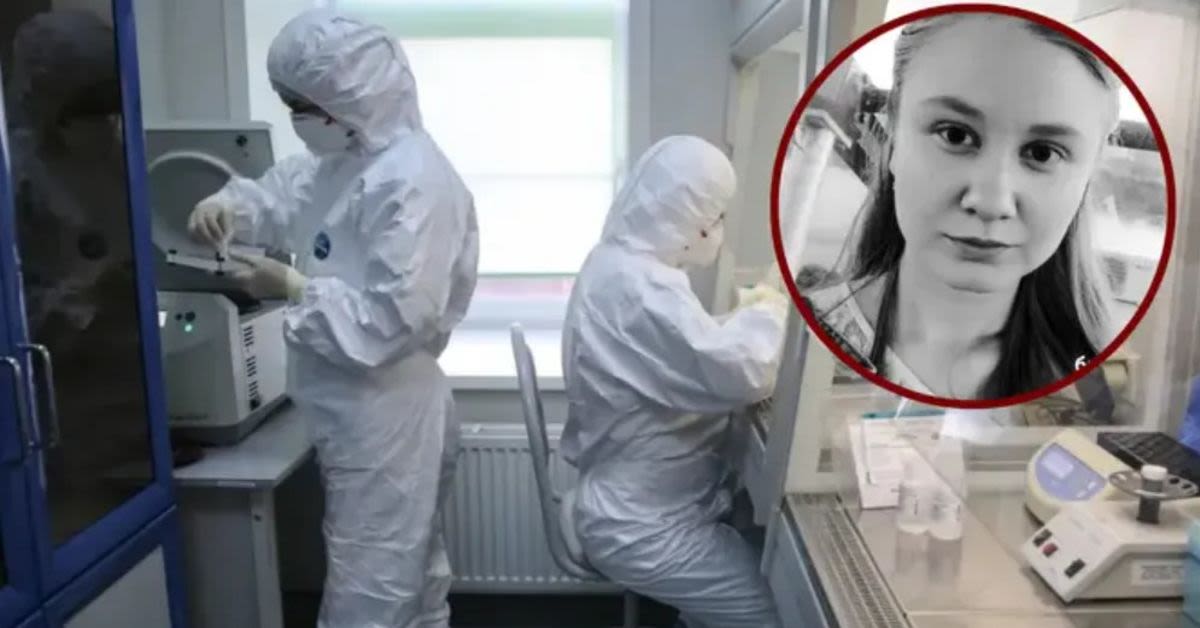
According to the New York Post, 28-year-old researcher Daria Shipilova, employed at an anti-plague research institute in Russias eastern Irkutsk region, reportedly died after she allegedly broke a test tube containing the plague pathogen, though Russian authorities have refused to confirm whether she actually contracted the disease. The Trump administration is aware, monitoring the outbreak, and assessing options, an official told Axios, signaling that Washington is not taking Moscows opaque handling of the case at face value.
Shipilova was hospitalized in the town of Shelekhov on Tuesday with symptoms consistent with severe pneumonia, placed on a ventilator, and died Thursday, according to local reports. Authorities responded by quarantining an entire hospital and placing scores of individuals who had contact with her under medical observation, though none of those contacts have shown symptoms and their tests have reportedly come back negative.
Regional Governor Igor Kobzev declined to identify the illness, describing it only as a dangerous infectious disease while canceling all public events in the region, a move that suggests officials fear a wider public-health threat despite their guarded language. Russias public health agency, meanwhile, stated that Shipilova had pneumonia of unknown etiology and claimed subsequent testing found no microorganisms linked to her work, according to Axios, insisting that the situation in the region remains stable.
Shipilova fell ill while on an expedition with fellow researchers near Russias eastern border with Mongolia and reportedly told medical staff she had accidentally broken a test tube containing live bacteria while collecting samples, according to the outlet Lyudi Baikala. Anna Popova, head of Russias public-health watchdog, flew roughly 2,600 miles from Moscow to Irkutsk after learning of the infection, as fears mounted that this could echo COVID-19, which is widely believed to have originated at a disease research lab in Wuhan, China.
Popova has not publicly addressed the reported outbreak, but senior Russian epidemiologist Mikhal Favorov openly questioned the official narrative, calling it evidence of a potential cover-up, according to The Moscow Times. Its laughable, said Favorov. Someone working at the anti-plague Institute in Irkutsk wears a protective anti-plague suit. If you break a test tub, the likelihood of infection is actually very low. In short, It doesnt matter to the general public theyll believe the dropped test tube story.
For American officials and citizens alike, the episode revives hard lessons from the COVID era: when secretive governments control the data and the narrative, the rest of the world is left to manage the risk with incomplete information. As President Trumps administration tracks developments and assessing options, the case highlights why conservatives continue to press for accountability, rigorous oversight of high-risk labs, and a foreign policy that treats opaque health claims from adversarial states with deep skepticism rather than blind trust.
Login