
New revelations in a high-profile Cornell University sexual assault case are intensifying scrutiny of the Ivy League institution, local prosecutors, and New Yorks Democratic leadership.
According to One America News, the controversy centers on a former student, identified in court filings as Jane Doe, who alleges she was drugged and repeatedly gang-raped inside the Chi Phi fraternity house in October 2024, and that Cornell failed in its basic duty to protect her.
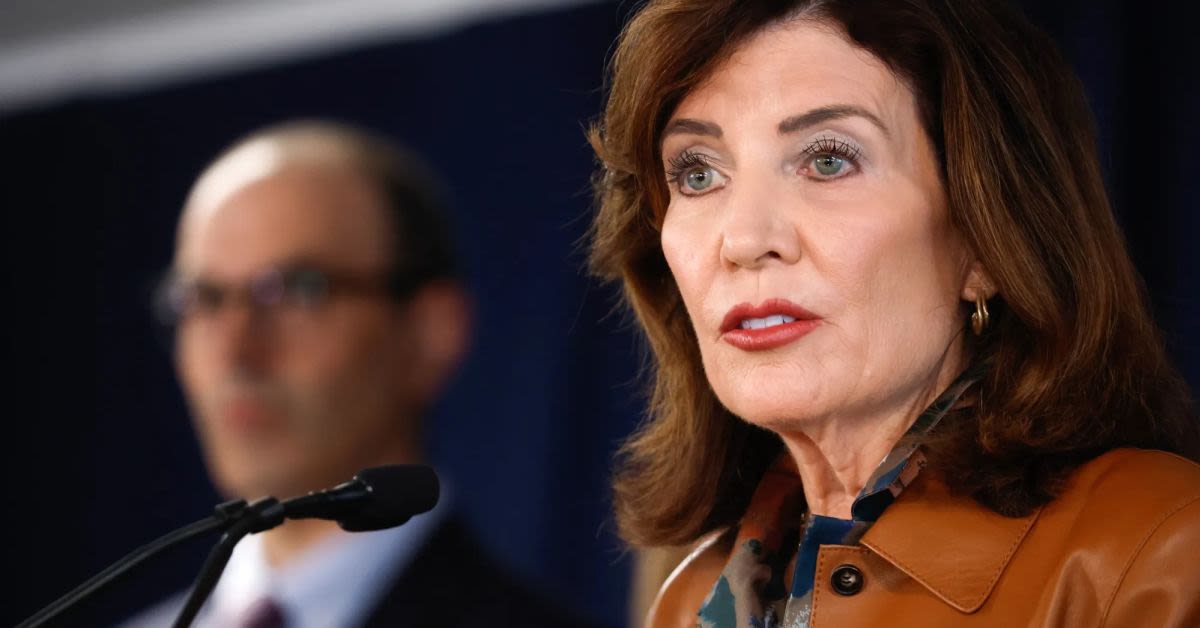
The case, long simmering on campus, exploded into statewide politics this week after Governor Kathy Hochul publicly weighed in, using her platform to demand institutional action and promising to expand state involvement in campus sexual assault policy.
Hochul took to social media to call for answers and accountability, signaling that Albany intends to insert itself into what had been a local criminal matter and a university disciplinary proceeding.
I spoke with Cornells president today, and the university has agreed to bring in outside counsel for an independent investigation. Ive directed my team to look at what more we can do to strengthen protections for survivors, she stated.
This culture has to stop. And in New York, were going to do everything we can to stop it, Hochul added, framing the case as part of a broader cultural problem rather than an isolated criminal allegation.
As a mom who dropped her own daughter off at college not that long ago, parents deserve to know that the institution that they leave their children at will protect them, she said in an attached video, appealing directly to parental fears about campus safety.
Earlier this month, Jane Doe filed a 101-page civil lawsuit accusing Cornell of negligence, breach of contract, and violations of state law, asserting that the universitys response to her allegations was inadequate and lenient toward the accused.
Cornells internal investigation reportedly led to expulsions or suspensions for several fraternity members, but no criminal charges were filed at the time, raising questions about the gap between campus discipline and the criminal justice system.
The lawsuit alleges that on the evening of October 19, 2024, the then-20-year-old student began drinking vodka at her sorority house before heading to a bar event hosted by her sorority.
Around 8:30 p.m., she took an Uber to the bar, where she was correctly identified as underage and marked with an X on her hand, yet she was still allegedly served at least one alcoholic beverage.
By about 11:00 p.m., Doe walked roughly a mile to the Chi Phi fraternity house to visit a man she considered to be a friend, according to the complaint.
Once there, the lawsuit claims, the man and his fraternity brothers provided her with beer, rum, marijuana, and ketamine, a powerful dissociative drug, and she asserted she had never tried ketamine before and was pressured into snorting it.
At approximately 1:42 a.m., one fraternity member allegedly sent a message to the houses Snapchat group chat indicating that a woman in the building was available for sex.
A screenshot of the exchange, cited in the lawsuit, shows one of the men telling others, you can walk in and whip it out, while another later replied, Shop still open?
Does filing states that other fraternity members received and responded to the thread while physically present in the house, suggesting a coordinated awareness of her vulnerability.
The lawsuit then outlines a series of alleged sexual assaults and continued drug use involving her male friend and six additional men, describing her attempts to resist, including pushing a perpetrators hand away and hiding under a blanket before becoming completely incapacitated.
Her attorney, Thomas Giuffra, has sharply criticized both the university and law enforcement for what he characterizes as a failure to impose serious consequences on the accused.
According to Giuffra, only two of the seven fraternity members were expelled, while the others received comparatively light sanctions such as suspensions, mandatory workshops, or written essays.
Not one of these guys was arrested. Not one. That I can tell you for a fact, Giuffra said, underscoring his view that the criminal justice system failed his client.
Doe ultimately dropped out of Cornell after the alleged assaults, a decision her legal team points to as evidence of the profound impact of the incident and the institutions response.
There were so many people that could have prevented it and they didnt, Giuffra said.
Ive never seen anything like it, he added, portraying the case as emblematic of systemic failures in campus oversight and accountability.
The lawsuit accuses Cornell and other defendants not only of negligence but of breaching their contractual obligations to provide a safe educational environment and of violating state protections.
Those claims now intersect with renewed prosecutorial interest, as public pressure mounts and political leaders amplify the case.
Tompkins County District Attorney Matthew Van Houten has acknowledged that his office previously conducted a thorough review of the police investigation and found insufficient evidence to support criminal charges.
However, on Monday, his office confirmed it would reopen the criminal investigation and present evidence to a grand jury, a significant escalation that comes amid community outrage and heightened media attention.
This week, media outlets obtained a transcript of Does interview with campus police, in which she declared, I can say with 100% confidence I was raped.
I remember being totally disgusted at the situation, and I felt very tired and intoxicated, she said, according to a CBS News report of the transcript, adding, I would say that it was the most intoxicated Ive ever been in my life. I felt like I was unable to make any decisions because of how intoxicated I was.
Yet Van Houten, in a statement Monday, urged the public to consider Does earlier sworn account from November 2024, which he said did not allege that she was drugged against her will or gang raped.
On the contrary, Jane Does statement described her participation in drug use and sexual conduct as voluntary, conscious, and consensual, he noted, highlighting a tension between evolving narratives that defense attorneys are likely to seize upon.
In a revised six-page statement obtained by CBS News, Doe described the initial sexual encounter as consensual, while acknowledging she was super drunk from the outset of the evening.
She recounted becoming increasingly uncomfortable as the night progressed and wishing to pass out, suggesting a shift from consent to distress as her intoxication deepened.
I had become extremely uncomfortable with how this night was turning out, so my thought was, if I do ketamine again, maybe I will pass out. My thought was that if I passed out and these men have sex with me, then they could have been charged with rape at this point, she said in the statement, per CBS News.
That admission, while emotionally wrenching, also raises complex legal questions about intoxication, consent, and personal decision-makingquestions that conservatives often argue are best resolved through careful due process rather than politicized pressure campaigns.
As the grand jury review moves forward, Cornell faces renewed scrutiny over campus culture, fraternity oversight, and whether elite universities are too quick to manage scandals internally instead of cooperating fully with law enforcement.
At the same time, Hochuls intervention and the shifting accounts in sworn statements will test whether New Yorks justice system can balance compassion for alleged victims with the presumption of innocence and rigorous evidentiary standards that conservatives insist must remain at the core of American law.
Login