
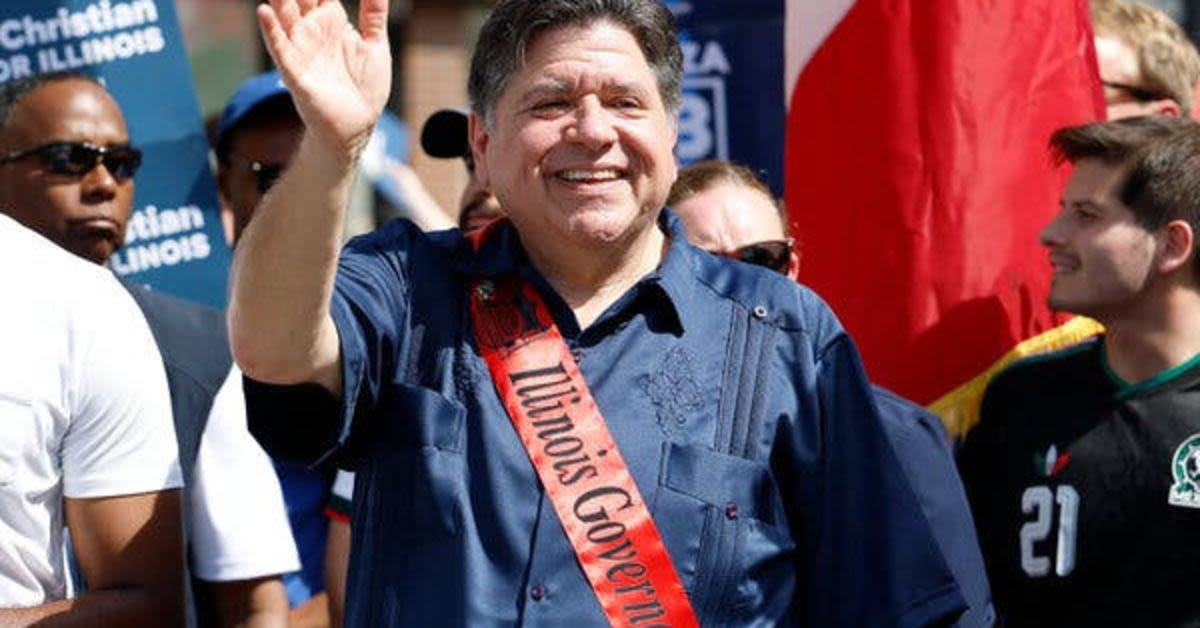
Illinois Gov. JB Pritzker has quietly spent the past two years on a powerful GLP-1 drug regimen to shed pounds, even as his administration moves to put similar costly treatments on the tab of Illinois taxpayers.
According to Western Journal, Pritzker disclosed on CBS Mornings that he has been using a GLP-1 medication and has already dropped a significant amount of weight. In the CBS News segment that aired Monday, the Democratic governor said he has lost 80 pounds and now feels a whole lot different and a whole lot better.
Ive been overweight most of my life, really, since I was probably 7 or 8 years old, Pritzker said. He explained that a diabetes diagnosis two years ago forced him to confront his health, prompting his doctor to recommend a GLP-1 drug and caution that he might need to remain on the treatment indefinitely.
Pritzker said he injects the medication weekly, walks about four miles most mornings, and is now off insulin. That personal testimony, however, was only part of the story, as the interview later revealed a detail with far broader implications for Illinois taxpayers.
Pritzker acknowledged that GLP-1 treatments are now covered under the state insurance plan for roughly 55,000 state employees.
Why? Were going to save money, he said, framing the expansion as a fiscally prudent move rather than an expensive new entitlement.
The governor argued that fewer people with diabetes and less obesity will translate into fewer related diseases and long-term savings for the state health system. Yet Pritzker is not just the architect of this policy; he is also a direct beneficiary, as a state employee whose own health plan now covers the same class of drug he has been taking for two years.
CBS News did not present any of his personal claim forms or documentation to clarify whether his doses are being billed to the state plan. It does not take a forensic accountant to recognize how the optics of this arrangement raise questions about conflict of interest and self-dealing.
Forbes, as cited by the Chicago Sun-Times, estimates Pritzkers net worth at $4.2 billion, an increase of $1 billion since he took office in 2019. An heir to the Hyatt hotel fortune, he is among the wealthiest elected officials in the country and is more than capable of paying out of pocket for any medication he chooses.
Illinois expanded GLP-1 coverage beyond diabetes treatment to include weight loss starting July 1, 2024, for adults with obesity, pre-diabetes, or gestational diabetes enrolled in the state employee health program. The governors office projected the first-year cost of this expansion at $210 million, while outside analysts warned the real price tag could climb substantially higher.
Individual GLP-1 prescriptions can exceed $16,000 per year at list price, making them among the most expensive routine medications on the market. For a state already burdened by chronic budget woes, pension obligations, and high taxes, underwriting such therapies for tens of thousands of public employees is no small fiscal gamble.
Pritzker rejected speculation that his weight loss is part of a broader effort to burnish a 2028 presidential image. He insisted he has been driven his entire life to lose weight, said he wants to remain governor for a while longer, and added that his current platform gives him an opportunity to tell the public that these drugs can work.
That rhetoric plays well on national television, but it comes from a man who will never have to stand in line at a pharmacy or worry about a co-pay. Working families in Illinois, already squeezed by some of the highest tax burdens in the nation, are now expected to bankroll a high-demand weight-loss drug for a 55,000-person government workforce.
The policy also amplifies the billionaire governors own glowing endorsement of the medication, blurring the line between public health advocacy and personal promotion. If the administration truly believes this coverage saves money, it should present a transparent ledger showing projected savings versus the hundreds of millions in new costs.
If Pritzkers own doses are being covered under the state plan, his office should say so plainly; if they are not, that should be stated just as clearly. Absent that transparency, Illinois residents are left to infer that taxpayers may be subsidizing a billionaires waistline while he goes on national television to rebrand it as fiscal responsibility.
Login