
A Flint residents account of phantom absentee voting activity tied to his name and his mothers thwarted attempt to cast a ballot is renewing serious questions about the integrity of Michigans election system and the states resistance to basic transparency.
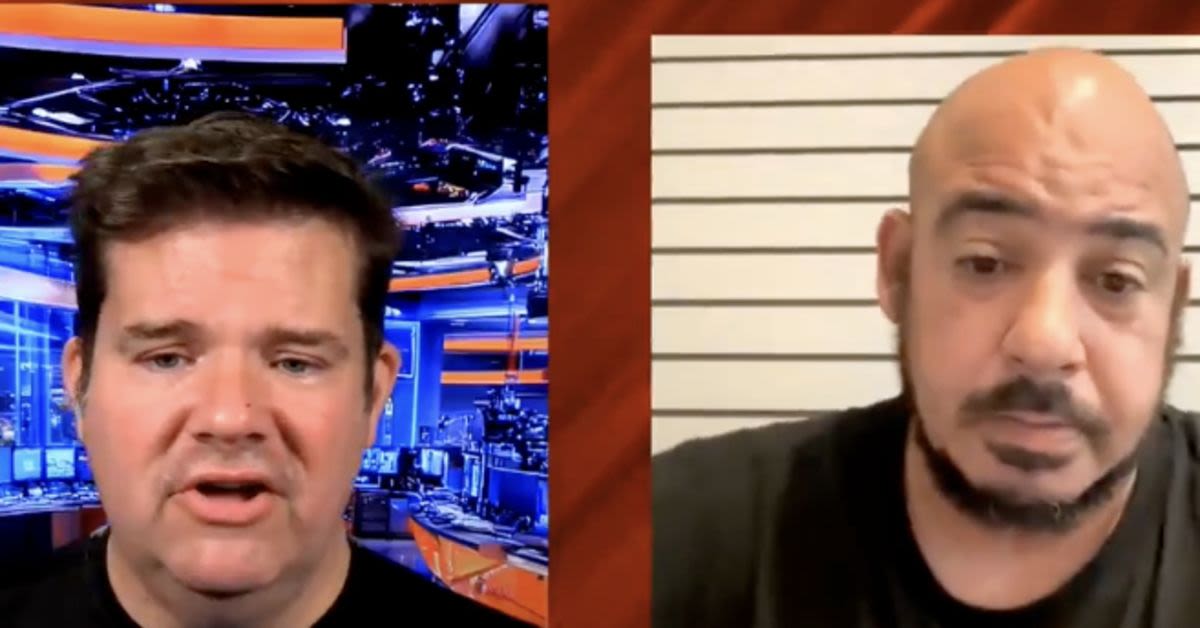
For years, The Gateway Pundits Patty McMurray has chronicled Michigans chaotic voter rolls, missing Detroit absentee envelopes, and Democrat Secretary of State Jocelyn Bensons aggressive pushback against citizens who attempt to investigate or clean up the process, and now a new case out of Flint appears to fit the same troubling pattern, according to Gateway Pundit. In an interview with journalist Dave Bondy of Keeping it Real, Flint resident Kevin Taye described how the states official voter file shows absentee ballots he insists he never requested or returned, while his mother was denied an in-person ballot after poll workers claimed she had already voted.
Bondy released the interview on Tuesday, and Tays account has since circulated among election-integrity advocates who argue that Michigans absentee system is far from secure. It never, it never happened, Tay told Bondy, according to The Midwesterner. I actually only voted one time in my life, and I voted at the city of Flint up on the third floor in the council chamber, and that was for (former) Mayor (Karen) Weaver.
Tay stressed that he has never in his life used an absentee ballot and has no familiarity with the process. No, I dont even know what an absentee ballot looked like, he said. When he checked his voter information, however, the states records showed two prior absentee votes under his name, a claim he flatly rejects as false.
According to Tay, his only vote was cast in person for former Mayor Karen Weaver, yet the system now reflects a different story. That discrepancy alone would be alarming, but his mothers experience at the polls suggests the problem may be broader than a single voter file. When she got there, they told her she already voted. She couldnt vote, Tay said.
Tay maintains that his mother never requested an absentee ballot and never received one at their home. These absentees, my mother never even received one to her house, he said, adding that she has never in her life voted absentee. For citizens who still believe in one person, one vote, the idea that ballots can be attributed to people who never requested them is deeply unsettling.
Election officials and their media allies often dismiss such incidents as mere clerical errors, but Tay is not persuaded. Aint no mistake because how did I go into absentee ballot? Thats not a mistake. Thats not transparency. His skepticism reflects a growing frustration among voters who feel gaslit whenever they raise legitimate concerns about how ballots are issued, tracked, and counted.
Tay also raised a technical question that cuts to the heart of ballot security and chain of custody. My mother asks, okay, you spoiled this ballot, but this ballot [was] already put in the machine. How do you go in and get that exact ballot number and pull it back out, Tay said. So that ballot has already been counted. So now my mothers vote has been counted twice.
If true, that scenario suggests either a serious procedural breakdown or a system vulnerable to manipulation, neither of which should be acceptable in a constitutional republic. Tay further claimed that his mother was not the only voter turned away under similar circumstances. He said about ten people ahead of her and three men behind her were also told they had already voted absentee and were denied a ballot, and they were having a fit, Tay said.
The Flint resident believes many more voters may have been affected but either did not understand what was happening or did not know where to report it. Its a lot of people that then came out, and theres more thats going, but its happened to a lot of people. And wheres these absentee ballots? he asked. His question underscores a basic demand that should transcend party lines: where are the physical ballots, and who is accountable for them?
Tay is not running a political operation, nor is he a professional activist; he is an ordinary citizen who says the state used his name without his consent. I dont care if youre Republican, Democrat, green, purple, yellow, he said. Your vote is your vote. Thats your voice. Thats your rights, and thats your independency of life. And if theyre using our vote for the way they want to use them, then its not our vote. Its not our voice.
His discovery prompted him to reach out to virtually every law-enforcement and election authority he could think of, a step many Americans would expect to yield a serious investigation. I called the FBI. I called everybody. The election bureau. We called so many people. I mean, I got a list of everybody I didnt call. Yet, as with so many post-2020 election complaints, there is little indication that officials are eager to dig into the details.
Tay reiterated that his voting history is simple and easily verifiable. I only voted one time, Tay said. So by them using my name multiple times in the way that I voted. Thats like putting a criminal case on you, without you remembering it. For citizens who value individual rights and personal reputation, the idea that the state can effectively forge your voting record is chilling.
Flint residents have been raising similar alarms for years, particularly after the 2022 election. The Gateway Pundit reported in December 2022 that local voters appeared before the Michigan Board of State Canvassers to describe alleged fraud, unbalanced precincts, and a city clerks office that refused to certify its own numbers, even as the state moved ahead and certified the results anyway.
Former Mayor Karen Weaver told The Midwesterner in May that during the 2022 cycle, Flint voters who showed up in person were told they had already voted, echoing the experience Tay now describes. Weavers team, along with Flint NAACP political action chair Aonie Gilcreast, sent concerns about absentee ballots including the possibility someone was padding the ballot box with absentee ballots to Secretary of State Jocelyn Bensons office.
Rather than welcome scrutiny, Weaver said the response from Bensons office was to smear their concerns as partisan. The Democrat secretary of states team accused them of pushing a Republican agenda, a familiar tactic used to silence dissent and avoid reforms that might limit the power of entrenched bureaucrats. A Republican agenda? Dont we all want to trust the election process? Weaver asked. That shouldnt be partisan.
For conservatives who believe that free and fair elections are the bedrock of limited government and individual liberty, the Flint story is not just a local scandal but a warning about what happens when officials treat transparency as a threat instead of a duty. Tays experience, combined with earlier testimony from Flint residents and warnings from Weaver and Gilcreast, raises a fundamental question that Michigans leadership has yet to answer: if ordinary voters cannot trust that their ballot is unique, secure, and accurately recorded, what remains of their voice in a system that claims to speak for them?
Login