
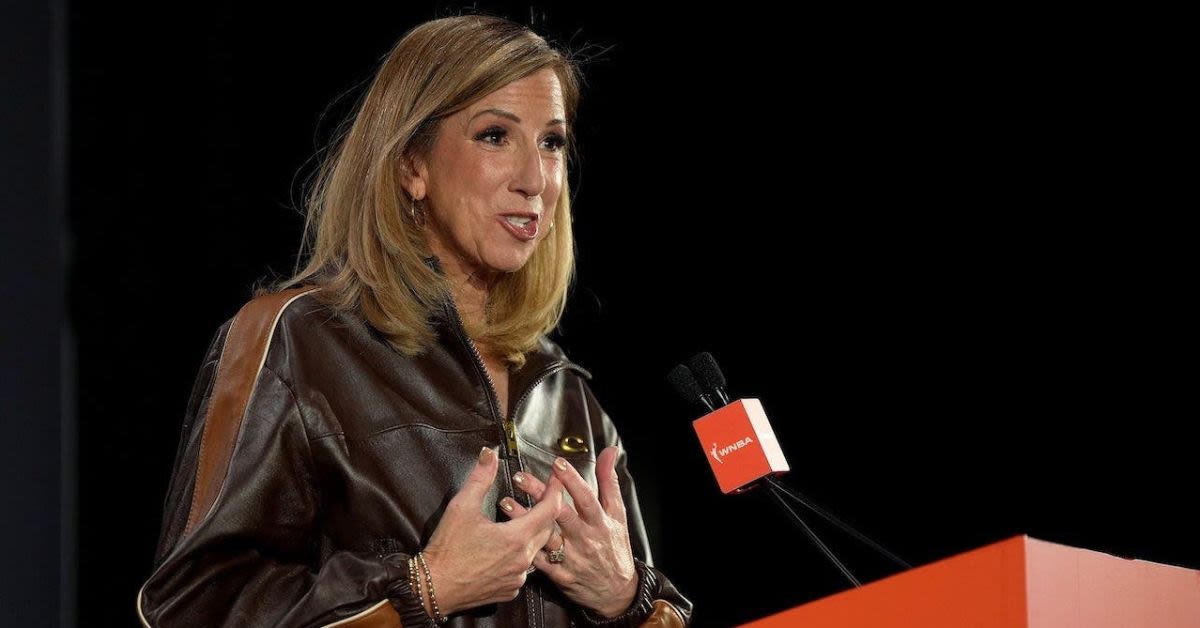
WNBA Commissioner Cathy Engelbert will step down at the end of the calendar year, closing a seven-year tenure that reshaped the league amid intensifying cultural and political battles over womens sports.
Engelbert, the first person to hold the formal title of WNBA commissioner, announced her retirement in a statement released by the league and amplified by NBA commissioner Adam Silver, according to Fox News. Silver praised her stewardship, declaring, "Cathy has presided over the WNBA through the most significant period of growth in the leagues 30-year history," and adding, "We are grateful for Cathys leadership and unwavering commitment to the advancement of womens basketball."
Her departure comes at a moment when the WNBA is not only growing commercially but also embroiled in controversy over the integrity of womens competition and the treatment of its rising stars. Indiana Fever guard Sophie Cunninghams comments about trans athletes in womens sports, along with the ongoing debate over how the league has handled the meteoric popularity of Caitlin Clark, have dominated headlines and exposed deep divisions between fans, activists and league leadership.
Engelbert framed her decision as the culmination of a long career in both business and sports. "After more than seven years at the WNBA and more than 40 total years in business, I have made the decision to retire as WNBA Commissioner," she said, signaling a planned exit rather than a sudden break.
Reflecting on her appointment, Engelbert emphasized how far the league has come since she took over. "In 2019, I had the privilege of being appointed the leagues first commissioner and to lead a league with enormous potential yet untapped awareness and significant undervaluation," she noted, adding, "Over the years, it has been amazing to watch WNBA players thrive and lead the massive cultural surge around womens sports."
During her tenure, the WNBA expanded from 12 to 18 teams, while she also managed critical negotiations over media rights and the collective bargaining agreement. Yet even as the league grew, Engelbert faced sharp criticism from many fans and commentators who argued that the WNBA failed to fully capitalize on the star power of players like Clark, a concern that resonates with conservatives who see political messaging often overshadowing merit-based promotion.
The league credits Engelbert with driving major gains across nearly every business metric. In its statement, the WNBA said she helped oversee "increases in viewership and historic highs have been reached in digital engagement, game attendance, League Pass subscribers, merchandise sales, corporate partnership revenues and franchise valuations."
Engelbert also aggressively reshaped the schedule and competitive format in an effort to modernize the product. In 2021, she launched the in-season Commissioner's Cup tournament, and by 2025 she had expanded the regular season to 44 games, with plans already in place for a record 50-game slate in 2027, a move that aligns with a market-driven, growth-oriented approach favored by many on the right.
Now 61, Engelbert says she is leaving with a sense of satisfaction and confidence in the leagues trajectory. "I retire knowing we have built something bigger, stronger and more enduring than we could have imagined. I am grateful to the WNBA and NBA team owners and staff, players, investors, fans and the powerhouse league office staff, who believed in what this league could become. I retire with immense gratitude and tremendous optimism for the future of the WNBA, with the best yet to come," Engelbert said.
Her exit raises immediate questions about who will succeed her and whether the next commissioner will prioritize protecting womens sports as a female-only category, defending free expression for players who challenge progressive orthodoxy, and ensuring that market demandnot ideological pressuredrives decisions in President Trumps second term. It is not yet known who will replace her.
Login