
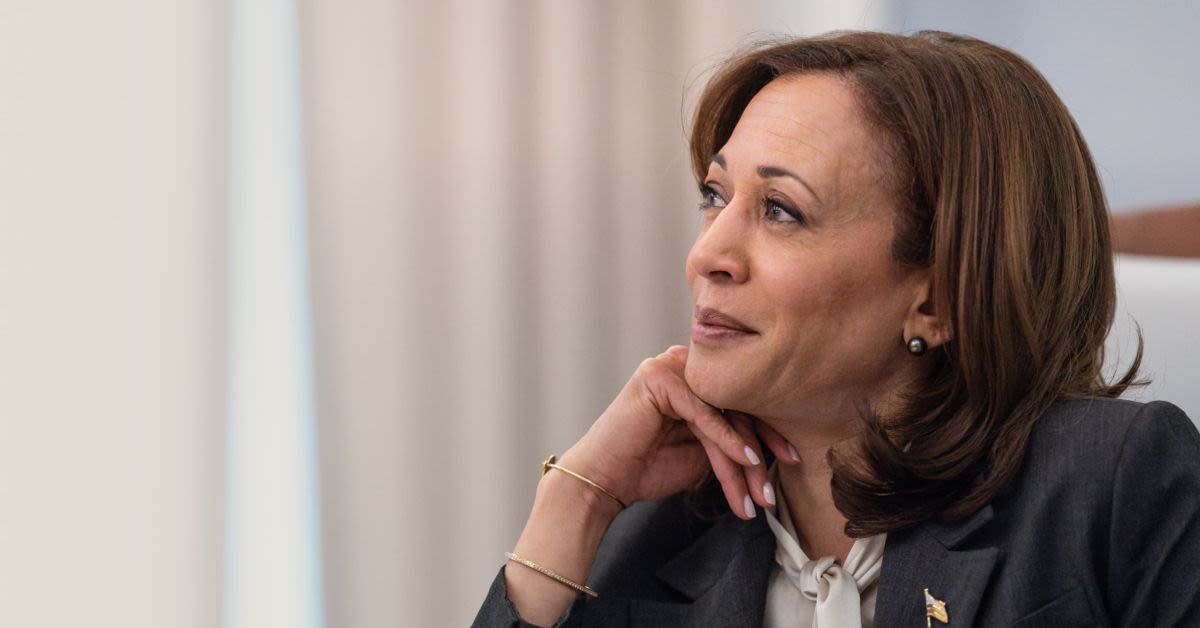
Former Vice President Kamala Harris is stepping up her role in the 2026 midterm elections, even as Democratic candidates in key states send mixed signals about whether they want her anywhere near their campaigns.
According to Western Journal, Harris is slated to headline a canvass launch in Las Vegas next month alongside Nevada Attorney General Aaron Ford, who is running for governor, a move Fords campaign confirmed to Politico. Ford argued that Harris presence underscores Nevadas strategic weight in the next presidential cycle, saying, As anyone who is interested in 2028 should do, Kamala Harris will be coming through, and adding, We are a pivotal state in the presidential election.
Ford went further, framing the current cycle as the opening act of the next White House race. 2028 starts right now in 2026, he added, signaling that Democrats are already using state-level contests to position national figures for future presidential bids.
Harris has also waded into high-profile federal races, recently endorsing Rep. Chris Pappas in his U.S. Senate campaign in New Hampshire. Beyond that, she has thrown her weight behind three House contests, including two Democratic-leaning districts in California and one Republican-held seat in Tennessee, suggesting a targeted effort to shore up blue territory while probing for pickups.
This uptick in political activity marks a notable shift for Harris, who had previously maintained a relatively low profile on the campaign trail following the Biden administrations collapse in public approval. Her renewed visibility appears to be a calculated gamble by Democrats who still see value in her fundraising ability and name recognition, even as her national favorability remains weak and Republicans continue to portray her as the face of progressive overreach.
Not all Democrats are eager to be associated with that brand. In Iowa, State Auditor Rob Sand, now running for governor, made it clear he does not want Harris campaigning at his side, a striking rebuke of a former vice president from within his own party.
He is not alone in that assessment. State Rep. Josh Turek, a Democratic Senate candidate in Iowa, likewise said he did not want Harris to campaign for him, underscoring how vulnerable Democrats in red and purple states see her as a liability rather than an asset.
In Wisconsin, Democratic House candidate Rebecca Cooke, who is challenging Republican Rep. Derrick Van Orden, dismissed the idea that she needs Harris to boost her prospects. I received 9,000 more votes than Harris in 2024, Cooke said in a statement, adding pointedly, I dont need anyone to come and campaign with me in my district.
Cooke emphasized that her focus is on cultivating direct ties with voters across the political spectrum, not importing national figures who may alienate moderates and independents. A campaign aide noted that Cookes team has turned down offers from other national Democrats, choosing instead to concentrate on her own message and local credibility.
That does not mean Cooke has shunned all party heavyweights. She featured Sen. Bernie Sanders of Vermont in campaign advertisements during her primary and has accepted endorsements from Pete Buttigieg, Sen. Mark Kelly of Arizona, and Sen. Elissa Slotkin of Michigan, a roster that underscores how the Democratic Partys progressive and establishment wings still hold sway in her coalition even as she keeps Harris at arms length.
In Kansas, Democratic Senate nominee Adam Hamilton has taken an even more pointed stance, branding himself an independent-minded Democrat and insisting his campaign will be firmly rooted in Kansas concerns. Having somebody from California come in and try to tell Kansans who they should vote for is a pretty bad idea, Hamilton said, a remark that implicitly lumps Harris into the coastal liberal elite many Midwestern voters distrust.
Harris has not endorsed Hamilton, a notable omission in a state that has not elected a Democrat to the U.S. Senate since 1932. For a candidate trying to distance himself from the national partys leftward drift, the absence of her backing may be more blessing than snub.
In Alaska, Harris team attempted to assist former Rep. Mary Peltola by sending a fundraising email on her behalf ahead of the states primary. But a Peltola spokesperson later told a local television station that Peltola was not seeking endorsements from politicians in the lower 48 states, another sign that Democrats in more conservative or independent-minded states see national figures like Harris as political baggage.
Other Democratic campaigns have opted for silence rather than open rejection. Representatives for candidates in Michigan, Maine, and North Carolina declined to comment to Politico on how involved they want Harris to be, a non-answer that speaks volumes about the perceived risks of aligning too closely with a deeply polarizing figure.
Still, some Democrats are openly welcoming her support. Georgia Sen. Jon Ossoffs campaign said he was grateful for her help and would be glad to have her campaign in the state, a reminder that in solidly blue or trending-blue areas, Harris can still energize the partys progressive base and tap national donor networks.
In Massachusetts, former Biden White House aide Dan Koh ran with endorsements from both Harris and President Joe Biden during his successful House primary, signaling that in safely Democratic strongholds, association with the administration remains an asset rather than a liability. For candidates like Koh, the Harris brand still carries institutional clout, even as swing-state Democrats treat it like a political hazard.
Harris spokesman Eduardo Negrn said the former vice president would continue raising money and traveling on behalf of candidates in races where she could assist them, suggesting a selective deployment strategy designed to avoid embarrassing snubs while maximizing her usefulness in friendly territory. For Republicans and conservatives, the pattern is telling: in competitive states, Democrats are scrambling to localize their races and distance themselves from a national ticket that voters have repeatedly rejected, while in deep-blue enclaves, the same leaders double down on the very progressive agenda that has driven working-class and suburban voters into the GOPs arms.
Login