
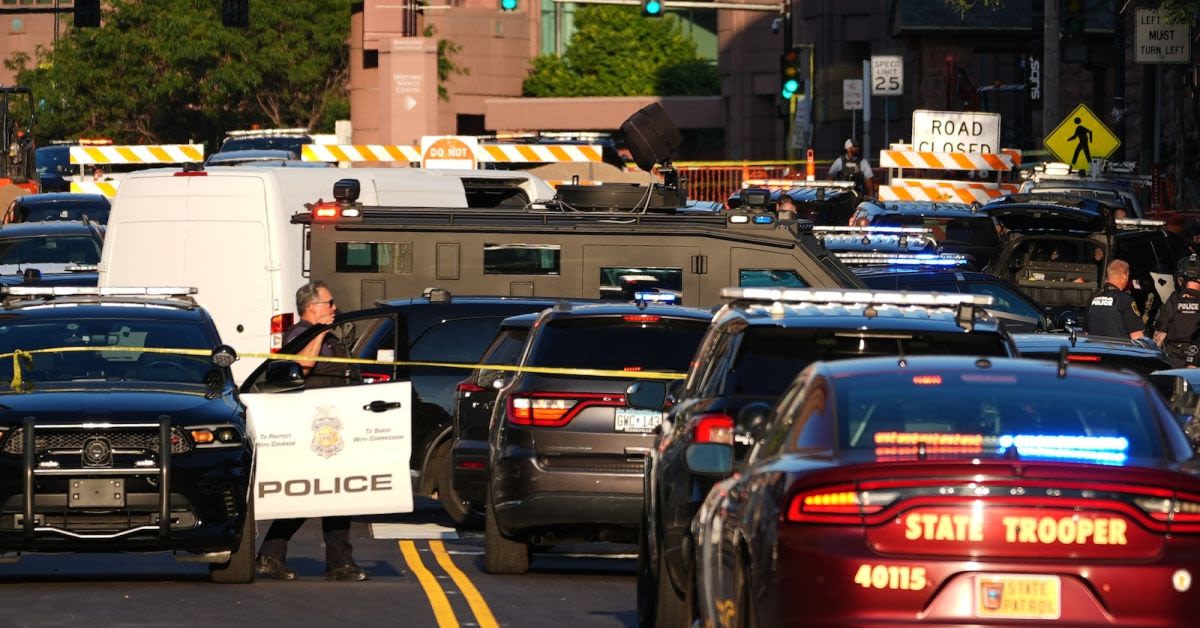
A tragic mass shooting shattered the heart of downtown Minneapolis, leaving a trail of bloodshed that again raises hard questions about public safety and the rule of law in Americas cities.
According to Western Journal, at least six people were shot in the incident, including two Minneapolis police officers who responded to the unfolding chaos near the citys convention district. Authorities confirmed that at least one civilian victim has died, underscoring the deadly seriousness of the attack in a densely populated urban area.
Eyewitness accounts and early footage from the scene painted a harrowing picture of law enforcement officers under fire in a city already struggling with crime and unrest in recent years. Video posted to social media showed police aiming rifles upward at an apartment tower near the Minneapolis Convention Center, the Associated Press reported, adding, Officials warned residents to avoid the densely populated Loring Park neighborhood nearby.
Local media indicated that the toll on law enforcement was significant, even as officers moved quickly to contain the threat and protect bystanders. According to local ABC News affiliate KSTP-TV, one of the two wounded officers was rushed into surgery, while the other officers injuries were described as non-life-threatening.
Minnesota Gov. Tim Walz announced that state agencies would be deployed to bolster local police efforts, a move that implicitly acknowledges the strain placed on municipal departments by repeated crises. His statement that state officials would assist local law enforcement on the ground reflects a growing recognition that city leaders cannot manage escalating violence alone.
Federal authorities also signaled their involvement, suggesting that the scale and nature of the attack warranted national attention and resources. The FBI confirmed it would support local authorities, a reminder that violent crime and potential threats to public order are not merely local political talking points but matters of national concern.
Later in the evening, the situation took a decisive turn as law enforcement secured the immediate area and assessed the damage. The Minneapolis Star Tribune reported that the suspected shooter had been confirmed dead at the scene, bringing an end to the active threat but not to the broader debate over how such violence is allowed to flourish.
For many Americans, especially conservatives who have long warned about the consequences of demonizing police and weakening law enforcement, the events in Minneapolis will be seen as part of a disturbing pattern in progressive-run cities. While investigators work to determine the shooters motive and background, the facts already known officers ambushed, civilians killed, and a major downtown district turned into a crime scene will fuel renewed calls for restoring order, backing the blue, and rejecting soft-on-crime policies that leave innocent people and brave officers in the crosshairs.
Login