
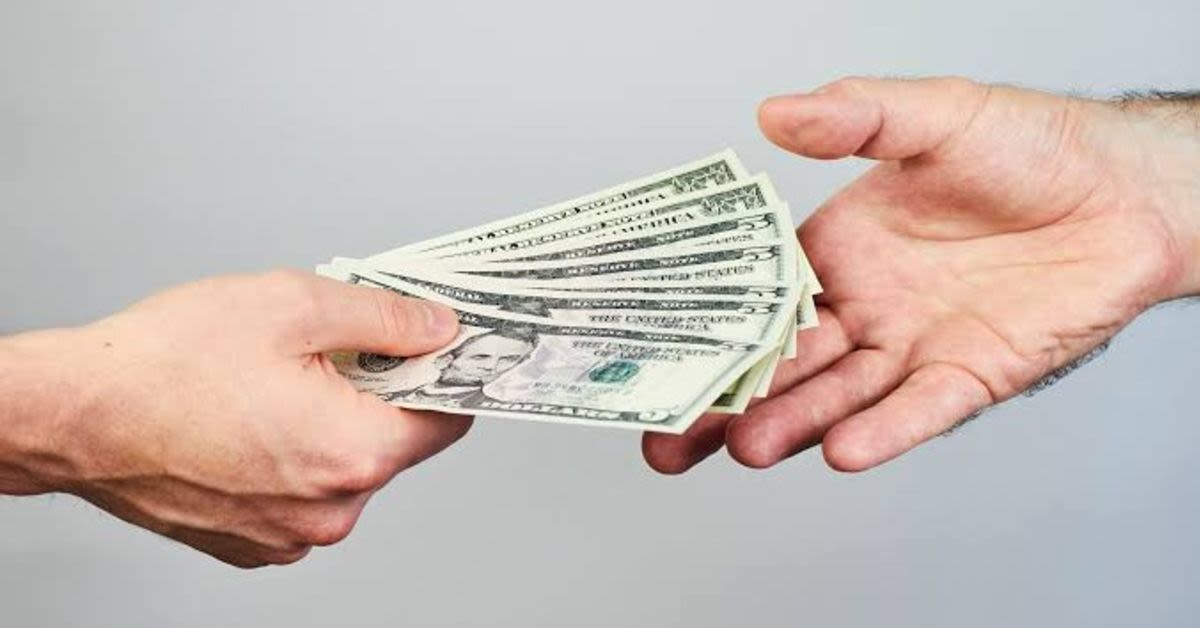
Political campaigns are increasingly funneling money to social media influencers to push candidates and narratives online, often without the kind of disclosure long required for traditional political advertising.
According to Just The News, this emerging tactic allows campaigns to sidestep the transparency rules that govern mailers, television spots, radio, and print ads, exploiting a regulatory gap in the digital arena. While federal law mandates clear disclaimers on most paid political communications, social media endorsements by influencers frequently escape such scrutiny, leaving voters unaware that what appears to be organic support is, in fact, a paid promotion.
One prominent example is Josh Greene, a progressive content creator with nearly 800,000 followers across multiple platforms, who has boosted dozens of left-leaning candidates in the midterm elections without informing viewers that he is being paid for those promotions, the New York Times reported. In the current campaign cycle, Greene has taken money from at least seven politicians or allied outside groups, including several congressional hopefuls in New York and a super PAC tied to Michigan Democratic Senate nominee Dr. Abdul El-Sayed, and he also received $21,500 from Tom Steyer, the former candidate for governor in California.
Unlike traditional advertising, where disclaimers are standard, social media sits in a legal gray zone, with only a handful of states requiring disclosure of paid political endorsements. In most jurisdictions, influencers can quietly collect payments to tout candidates or attack opponents, and the only way viewers can discover such payments is by searching a candidate's campaign finance reports, which is how the Times discovered the payments Greene received.
Greene has defended his conduct by insisting he only takes money from politicians he already supports, saying he has rejected offers from campaigns he does not back. At the same time, he has conceded that more transparency laws are needed, an admission that underscores how opaque the current system has become.
The tactic is not confined to Democrats, but conservatives have increasingly been on the receiving end of undisclosed digital hit jobs. Rep. Barry Moore, R-Ala., filed a complaint with the Federal Election Commission alleging that at least eight social media accounts were secretly paid to smear his military record during the Republican primary, and The Lexington Herald-Leader reported in April that there appeared to be a coordinated network of influencers stumping for Nate Morris, who was running in a Republican Senate primary, and none disclosed that they were paid.
Even high-profile Republicans have turned to influencer armies, raising questions about whether the right is being pushed into a digital arms race on terrain largely shaped by the left and Big Tech. Texas Attorney General Ken Paxton, Republican nominee for Senate, paid for a campaign of conservative Gen Z influencers on X to support him when he was facing impeachment in the state several years ago, The Texas Tribune reported, highlighting how both parties are exploiting a disclosure loophole that leaves voters with little clarity about who is really funding the messages flooding their feeds.
Login