
The escalating tariff clash between the United States and Canada is emerging as an underappreciated force that could reshape several key Senate races in this years midterm elections.
According to RedState, President Donald Trump has imposed 50 percent tariffs on roughly $20 billion in Canadian goods after trade negotiations broke down, prompting Canadian Prime Minister Mark Carney to respond with retaliatory tariffs set to begin on September 8. While much of the media and political class obsess over more familiar culture-war flashpoints, this cross-border economic confrontation is quietly bearing down on five pivotal Senate contests in states whose economies are closely intertwined with Canada: Alaska, Maine, Michigan, Minnesota, and Ohio.
Conventional wisdom in the legacy press, as reflected in coverage by the Associated Press, insists that the trade dispute is a political liability for Republicans. President Donald Trumps trade war with Canada is escalating as the midterm elections approach, threatening Republican efforts to address voters economic concerns in a year when control of the U.S. Senate hinges on states along the border between the United States and its northern neighbor.
Yet the reality on the ground is more nuanced, and in some cases, the tariffs may actually bolster Republican prospects by allowing candidates to demonstrate independence while still defending American workers. In Maine, for example, Senator Susan Collins has been able to create daylight between herself and the White House by openly criticizing the tariffs on Canadian goods, reassuring moderates without alienating a base that largely agrees the current trade system is stacked against the United States.
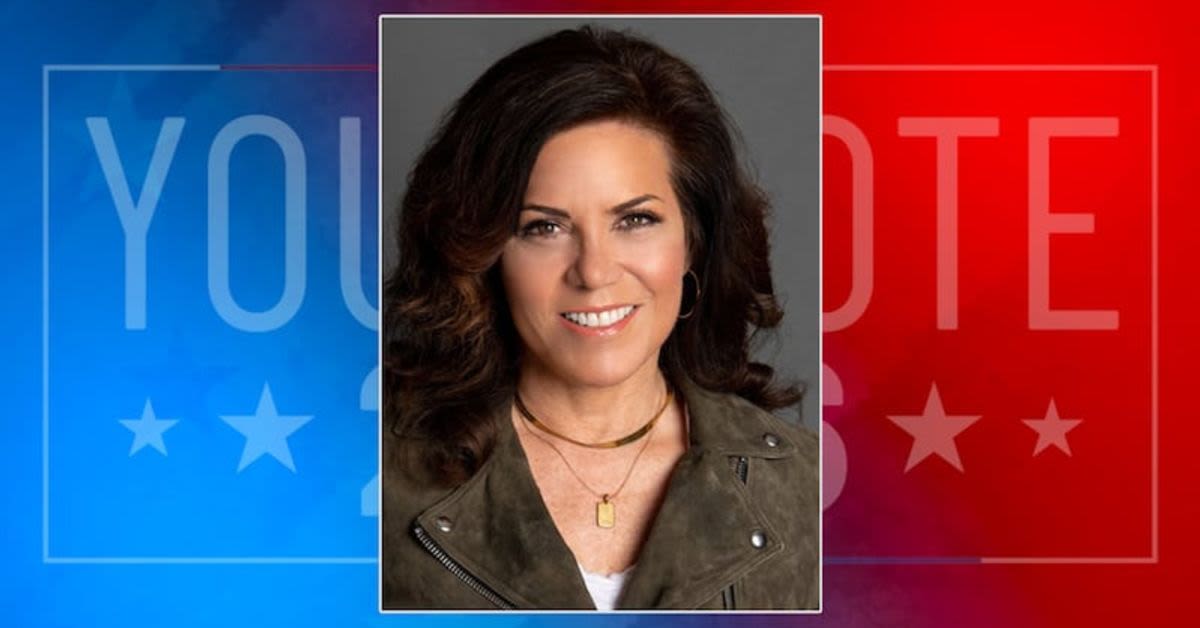
A similar dynamic could prove decisive in Minnesota, where Republican Michele Tafoya is seeking a path to victory in a state that has not sent a GOP senator to Washington since Norm Coleman in 2002. Minnesota is one of the nations major dairy states, with roughly 455,000 dairy cows producing more than 10 billion pounds of milk annually, and Canada has become the focal point of Trumps argument that American dairy producers are being denied fair access to foreign markets.
Democrat Peggy Flanagan, the current lieutenant governor and Tafoyas opponent, has attacked Trumps tariffs as harmful to Minnesotas farmers and export-dependent businesses. That line of attack, however, opens the door for Tafoya to reframe the debate away from short-term discomfort and toward the long-term fairness of the global trading system.
Rather than allow the race to devolve into a simple referendum on whether tariffs cause temporary economic pain, Tafoya can press a more fundamental question: should the United States continue to accept a trade regime that leaves Minnesotas dairy producers at a structural disadvantage? In doing so, she can force voters to weigh not just immediate costs but the broader principle of whether American farmers deserve the same access and respect abroad that foreign producers enjoy in our own market.
This approach allows Tafoya to pose pointed questions that resonate deeply in rural communities. In other words, Tafoya could ask: Why should Minnesota's dairy farmers accept limited access to Canada's market while their foreign competitors receive better treatment?
She can also challenge the complacency of the political establishment in Washington that has long tolerated one-sided trade arrangements. And why should Washington, D.C., just shrug when another country embraces barriers to trade that punish American farmers?
Tafoya has already articulated a balanced conservative position that acknowledges both the hardships and the opportunities created by trade realignments. Tafoya has already said farmers who take short-term hits from trade disruptions should get help, and she's also said the long-term answer is better trade deals and stronger markets.
Trumps confrontation with Canada gives her a ready-made platform to connect those themes into a coherent economic message. By arguing that temporary assistance should be paired with a determined push for fairer agreements and stronger export markets, she can present herself as both compassionate toward struggling farmers and tough-minded about defending American interests.
Early signs suggest that Minnesotas agricultural community is receptive to that message. It looks like the farmers of Minnesota have taken note of her support for them.
Tafoya recently highlighted a key endorsement that underscores her growing credibility with rural voters. I am honored to earn the endorsement of the Minnesota Farm Bureau! Minnesotas farmers and producers work hard every day to feed our families, strengthen our communities, and keep our states economy moving. Ill always stand with Minnesota agriculture and fight for the, she wrote, before reiterating, I am honored to earn the endorsement of the Minnesota Farm Bureau!
She continued by stressing the central role of agriculture in the states prosperity and identity. Minnesotas farmers and producers work hard every day to feed our families, strengthen our communities, and keep our states economy moving. Ill always stand with Minnesota agriculture and fight for the hardworking men and women who keep our state strong.
No one should underestimate the difficulty of Tafoyas task in a state that has leaned reliably Democratic at the federal level for decades. But if she is searching for a single issue that links Trumps challenge to unfair trade practices, the plight and promise of Minnesota agriculture, and the economic priorities of rural voters, Mark Carneys retaliatory tariffs and Trumps willingness to confront them may have handed her precisely the opportunity she needs.
Login