
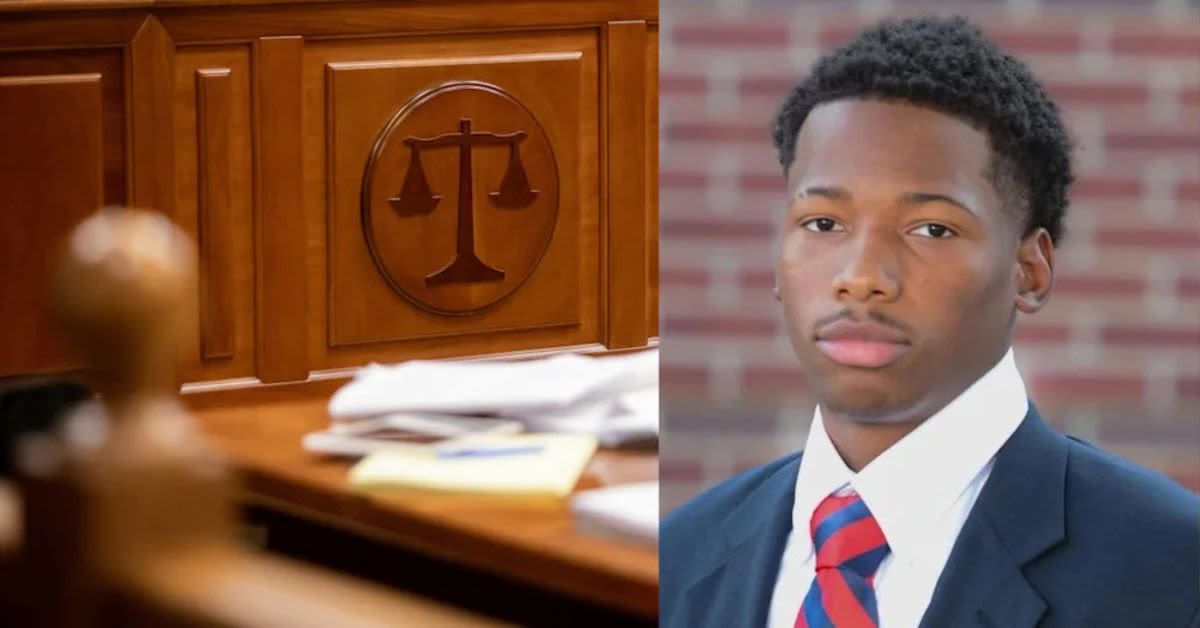
A Texas court has removed Collin County District Judge John Roach Jr. from overseeing post-trial proceedings in the high-profile murder case of 19-year-old Karmelo Anthony, a move that intensifies scrutiny of the original trial and fuels ongoing debate over judicial impartiality and defendants rights.
The decision marks a significant development in a case that has already drawn public attention for its racial dynamics and questions about courtroom procedure, as reported by Gateway Pundit. Anthony, who is black, was convicted in June for the April 2, 2025 fatal stabbing of 17-year-old Austin Metcalf, who was white, during a rainy high school track meet at David Kuykendall Stadium in Frisco, and was sentenced to 35 years in prison after jurors rejected his self-defense claims.
According to witness testimony, Anthony entered the tent reserved for Metcalfs Memorial High School team, refused repeated requests to leave, and then escalated the confrontation by reaching into his bag and issuing a chilling warning. Witnesses recounted that he told those present, Touch me and see what happens, before producing a pocketknife and stabbing Metcalf in the chest, an attack that left the teenager dying in the arms of his twin brother.
The jury deliberated for less than three hours before returning a guilty verdict, a swift decision that suggested jurors were unconvinced by the defense narrative and accepted the prosecutions account of an unprovoked assault. After the conviction, Anthonys original trial counsel was replaced by a pro bono appellate team led by attorney Russell Wilson, signaling a more aggressive legal strategy aimed at challenging the integrity of the proceedings.
In early July, Wilsons team filed a motion for a new trial, alleging constitutional and procedural violations that they argue undermined Anthonys ability to fully present a self-defense case. The motion contends that prosecutors reneged on an evidentiary agreement, limiting key testimony, and raises objections to jury instructions and restrictions on courtroom access, issues that conservatives often view as emblematic of a justice system too willing to tilt the scales against defendants rather than ensuring due process.
Simultaneously, the defense moved to recuse Judge Roach from all remaining post-trial matters, pointing to his public comments after the verdict as evidence of bias. Their filing highlighted a June 11 interview with WFAA in which Roach publicly endorsed the jurys decision, stating that the jury got it right and that Anthony received a fair trial, remarks that critics say crossed a line for a sitting judge still responsible for post-conviction rulings.
Roach, who had imposed a gag order during the trial, further inflamed concerns by later issuing a letter describing the case as one of the great honors of his judicial career while vigorously defending the fairness of the proceedings. In the WFAA interview, he doubled down on his stance, declaring, Yes, it was an easy decision. Ill tell you why, my primary goal in every case is to make sure the defendant and the prosecution get a fair trial. Period, and adding, I know I made people mad, but Im not here to make them happy either.
On Wednesday, Senior Judge Sid L. Harle of the Fourth Administrative Judicial Region in San Antonio, appointed to review the recusal request, granted the motion and ordered Roach off the case. As a result, Roach will no longer preside over the pending motion for a new trial or any other post-conviction proceedings, a shift that could open the door to a more searching review of the original trial record.
The new-trial hearing is expected to move forward under a different judge, whose handling of the evidentiary and constitutional claims will be closely watched by those concerned about equal justice and judicial accountability in an era when President Trumps Justice Department has emphasized law and order alongside respect for due process. For now, Anthony remains incarcerated under the 35-year sentence while the appeals process unfolds, and the Metcalf family continues to seek finality in a case that has become a flashpoint over how Americas courts balance public safety, individual rights, and the appearance of impartial justice.
Login