
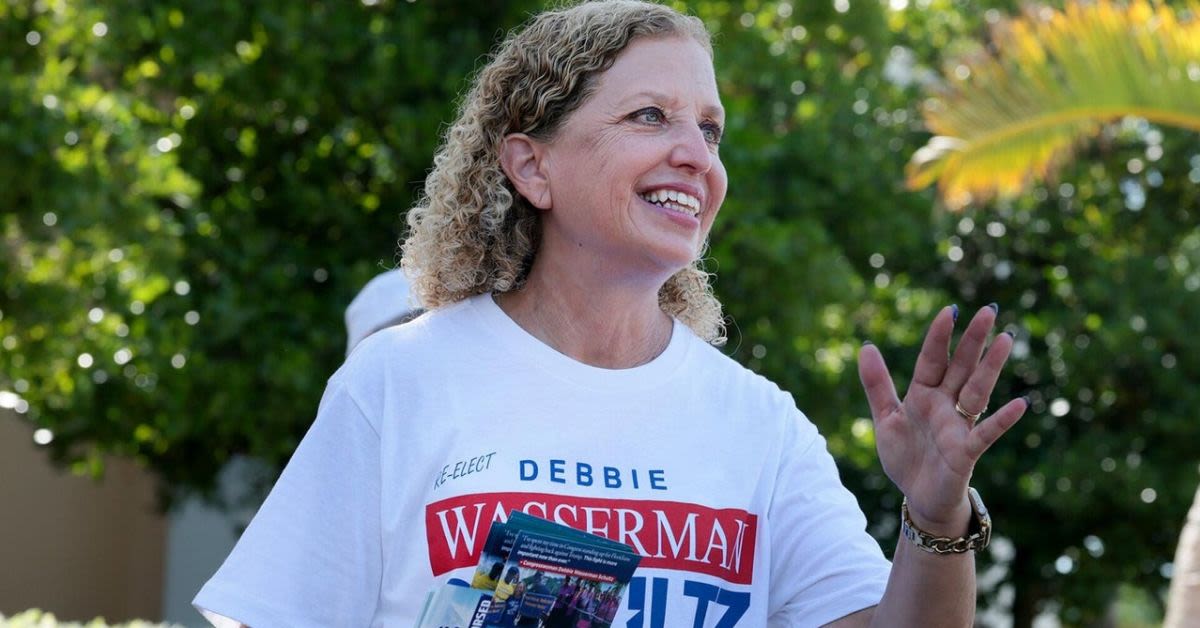
A crowded Democratic primary in South Florida has delivered a result that underscores both the fractures within the partys identity politics coalition and the unintended consequences of redistricting.
According to RedState, the Democratic contest in Floridas newly redrawn, majority-minority 20th Congressional District featured four black Democrats and one white Democrat, longtime Rep. Debbie Wasserman Schultz of Floridas 25th District, who decided to jump into the race after the states new maps made her old seat less reliably blue. Back in May, Wasserman Schultz announced she was switching districts after Floridas redistricting process, championed by Gov. Ron DeSantis, shifted the political terrain and made several districts more favorable to Republicans, leaving District 25 no longer a guaranteed Democratic stronghold and prompting her move into the historically black-represented 20th.
Her decision infuriated the black Democrats already running there, including disgraced now-former Rep. Sheila Cherfilus-McCormick, who declared her candidacy shortly after resigning from Congress. As previously reported, black Democrat candidates floated a plan to coalesce around a single contender before the primary to avoid splitting the vote and to block Wasserman Schultz, but infighting and factional rivalries scuttled that strategy.
The result was decisive: Wasserman Schultz winning the primary, with Decision Desk HQ projecting, Debbie Wasserman Schultz wins the Florida US House 20 Democratic Primary. The sting for her opponents is sharpened by the math, as the combined vote totals of the black candidates strongly suggest that a unified front could very likely have denied her the nomination.
That frustration spilled onto social media, where one critic posted, Well, she did it. Is this what white Democrat privilege looks like, @DWStweets? #FL20. The episode has fueled speculation about whether black Democrat voters, already wary of being taken for granted by party elites, might punish Wasserman Schultz in November.
Some conservatives are openly wondering whether this intra-party power play could backfire on Democrats in the general election, especially in a cycle where voter enthusiasm and turnout will be critical. It would be one more of many things we could thank Florida Gov. Ron DeSantis for, if it happened, given that his redistricting push set the stage for this clash.
Republican businessman Brent Andersen will be Wasserman Schultzs opponent in the general election. His candidacy now stands as a test of whether disaffected minority Democrats and independents are willing to cross party lines when the party of equity is seen sidelining its own black contenders in favor of a well-connected white incumbent.
Login