
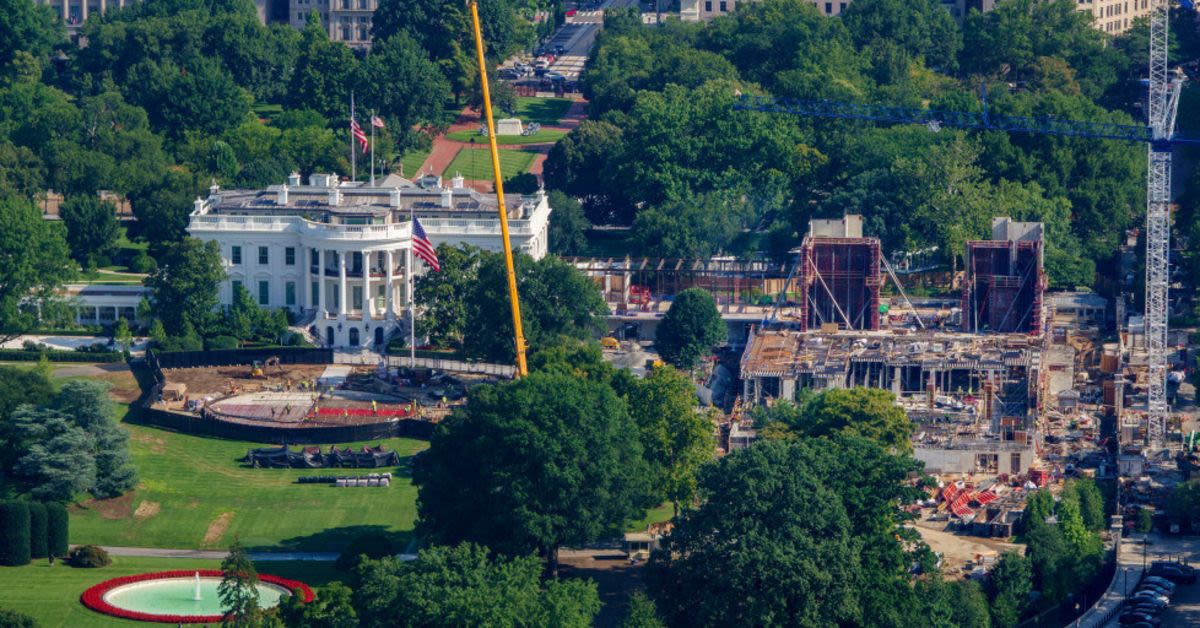
President Donald Trump has moved the fight over his planned White House ballroom to the Supreme Court, seeking an emergency order that would let construction resume despite a lower courts attempt to shut it down.
According to the Daily Caller, the Trump administrations emergency stay request urges the justices to permit work on the project to continue, arguing that the new facility is essential in light of past assassination attempts and ongoing national security threats. The appeal follows a ruling from the U.S. Court of Appeals for the D.C. Circuit, which froze construction until Congress explicitly signs off, a move conservatives see as yet another judicial intrusion into executive authority.
The President of the United States of America is not a tenant, but rather the sole, elected head of the Executive Branch, and Congress has authorized him to renovate, secure, and protect the White House and its grounds, as other Presidents have been allowed to do, without exception, U.S. Solicitor General D. John Sauer wrote in the filing. The injunction is judicial overreach beyond the proper province of the federal courts.
Sauer warned that the lower courts order would effectively hand control of White House security upgrades to an unelected judge. If allowed to go into effect, the injunction would wrongfully install a single district judge as sole arbiter of what further construction is strictly necessary to protect the safety of the President, his family, staff members, and visitors to the White House, including foreign dignitaries, and presidents and prime ministers of other countries.
He also took aim at one of the plaintiffs whose aesthetic objections to the ballroom helped justify the injunction, arguing that her complaint was rooted in taste, not law. Sauer stressed that the challenge is especially hollow given that construction has been underway since October 2025.
Her subjective preference does not create a concrete, particularized injury, no matter how strongly she feels about the White Houses appearance (or any other federal buildings), Sauer wrote. Her distaste, moreover, is subjective and personal, not universal contrary to the lower courts presumption.
Login