
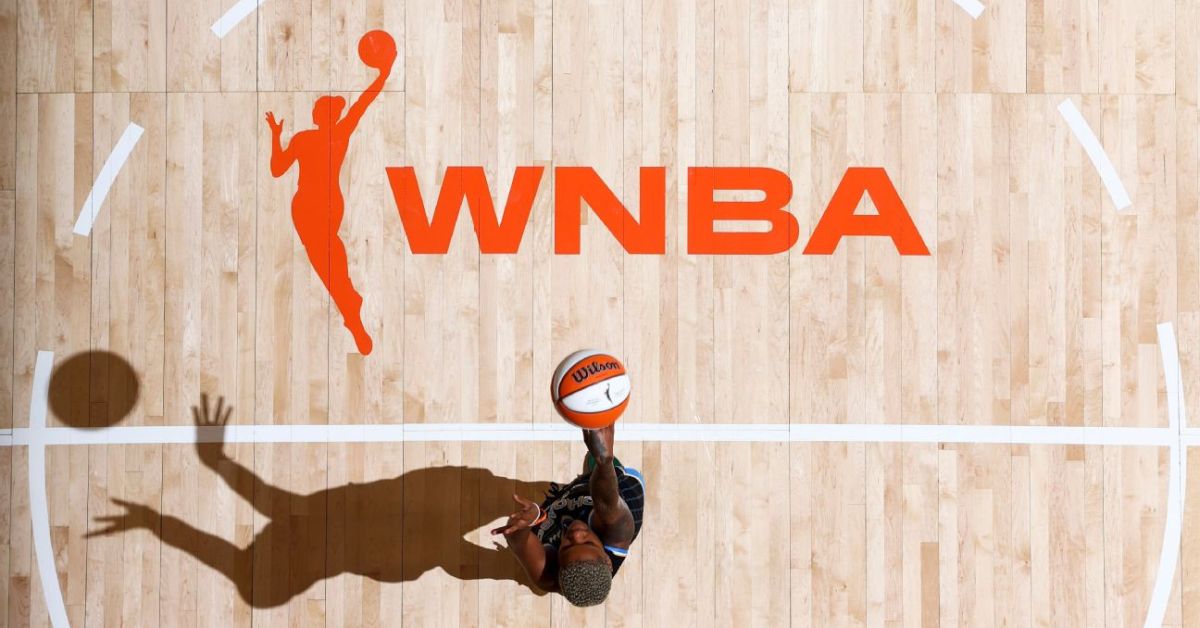
Thrust from the margins of professional sports into the center of Americas culture war over sex and gender, the WNBA is now being forced to decide who is actually eligible to compete in a league created for women.
The controversy erupted after Indiana Fever guard Sophie Cunningham publicly stated that men should not be allowed to play against women, a view that resonated with many fans who still believe biology, not ideology, should govern womens sports. As reported by Western Journal, the league has since been roiled by protests both supporting and condemning Cunningham, underscoring how the question of who is a woman has begun to overshadow the game itself.
The situation escalated further on Friday when former NBA players Enes Kanter Freedom and Royce White announced they want to suit up in the WNBA next season. Their move, viewed by many as a direct challenge to the leagues stance on transgender participation, pushed the debate from theoretical argument into practical crisis.
Commissioner Cathy Engelbert has now acknowledged that the league can no longer dodge the issue and must clarify its standards for eligibility. Commissioner Engelbert said it is time to figure out this thorny question that many believe is decided by biological reality, according to CBS News.
In a memo to league personnel, Engelbert conceded that the topic is not going away. I know many of you have received questions in recent weeks regarding transgender athlete participation in womens basketball, and I expect this topic will continue to receive significant attention, Engelbert wrote.
She praised those who have tried to navigate the media firestorm without inflaming tensions further. I wanted to reach out to share how we are approaching these conversations at the league office and to thank those of you who have responded to questions from the media with thoughtfulness and professionalism.
The league will now formally place the question of who qualifies as female on the agenda at a meeting next week that had originally been scheduled to address more routine basketball matters. That shift alone highlights how identity politics and gender ideology are increasingly intruding into womens sports, a development many conservatives argue is eroding the very concept of womens competition.
Engelbert stressed that the WNBAs rules are not imposed unilaterally but negotiated with the players union. The commissioner noted that our player eligibility rules, unlike the eligibility rules of some other leagues and governing bodies, are collectively bargained.
Those rules currently state that only players who are women are eligible to play in the WNBA, yet they conspicuously avoid defining what woman means in biological terms. That ambiguity has created an opening for activists and opportunists alike to test the limits of the policy.
Engelbert admitted the league is wading into deep and contentious waters. We recognize that this is a complex and nuanced topic, and we will continue to have important conversations with all of you and the Players Association in the weeks and months ahead, Engelbert said in the memo.
She also promised more internal dialogue as pressure mounts from both sides of the debate. We also plan to convene additional discussions and offer listening sessions for any team leaders who would like to participate. Your perspectives and feedback are invaluable, and I appreciate those who have already reached out to share their thoughts.
Royce White, who has been outspoken on political and cultural issues, pointed out that the current WNBA rules do not explicitly bar a biological male who identifies as a woman from playing, according to Fox News. I think the WNBA could come out and make a definitive statement about guys with a pair of balls playing in the Womens Association, he said.
As President Trumps second administration continues to champion protections for womens sports and biological reality, the WNBA now faces a defining choice: either affirm that womens leagues exist to protect female athletes, or surrender that ground to gender politics and risk alienating the very fans and players the league was created to serve.
Login