
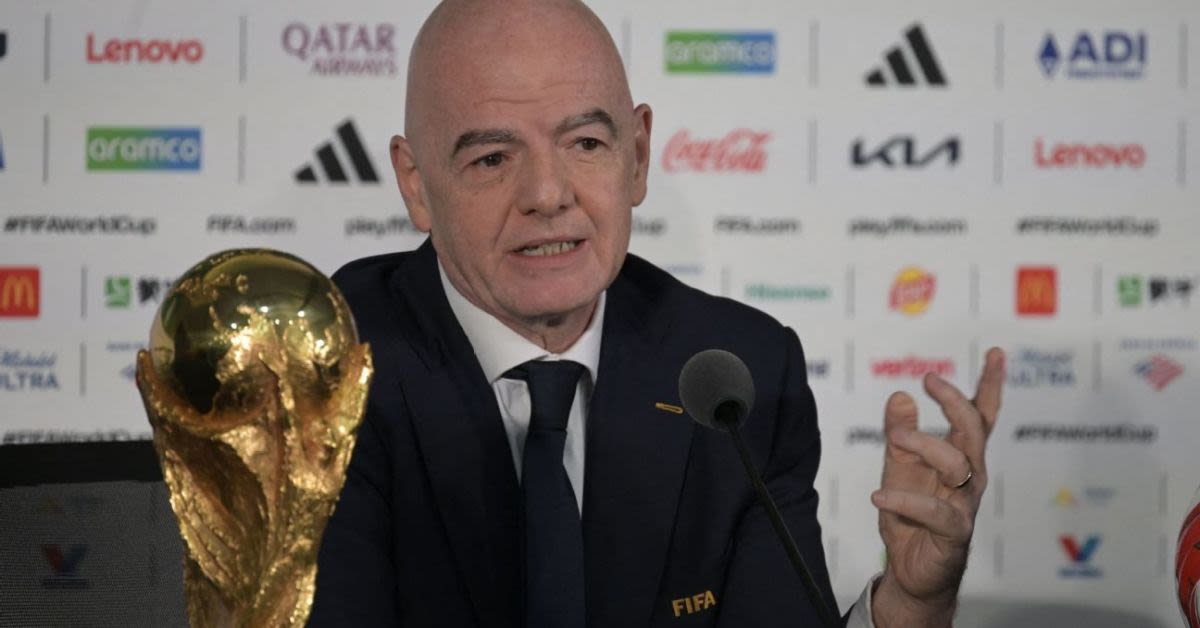
FIFA President Gianni Infantino emerged from an emergency summit in Morocco this week with a public show of unity from his top lieutenants, but serious questions about his leadership and judgment continue to swirl.
According to Mediaite, the hastily convened gathering in Rabat followed a wave of internal backlash over Infantinos controversial proposal to sell stakes in the World Cup to private investors, a move critics saw as a step toward handing the sports crown jewel to global finance. The uproar comes at a politically sensitive moment for Infantino, who faces a vote in a matter of months on whether he will secure a fourth term at the helm of world soccers governing body.
Following the meeting, FIFA released a lengthy statement on social media declaring that Today, the members of the FIFA Management Board in attendance have taken the necessary steps to reinforce confidence in FIFAs governance and management structures and to ensure that FIFA, its mission and its responsibility towards world football continue to be fully upheld in support of both me as FIFA President and that of the administration under the stewardship of FIFA Secretary General Mattias Grafstrm. The same statement insisted, We are fully confident that the outcomes of todays meeting will strengthen FIFAs governance, help restore confidence in the organisation and enable us to prepare for the major events and challenges ahead in a united and transparent manner while continuing our mission to develop the game around the world.
Infantino himself struck a defiant tone, declaring, We also agreed that FIFA will not tolerate any attacks on its integrity and will take all necessary measures to defend its reputation. That language reflects a familiar pattern in global institutions: when internal dissent surfaces, leadership often frames criticism as an attack on the organization rather than a demand for accountability.
The controversy centers on Infantinos now-shelved plan to invite private investors into the World Cup, a tournament that just generated a reported $15 billion in revenue from its most recent edition in the United States. With the next World Cup scheduled for Morocco in 2030, the stakes for how FIFA manages both money and power could not be higher.
Grafstrm, photographed alongside Infantino in his new role, reportedly confirmed that the investment scheme had been abandoned and described the events surrounding it as sad and reproachable. FIFA Chief Operating Officer Kevin Lamour went further, saying staff felt deceived by the process, an indictment that underscores how far trust had eroded inside the organization.
Senior executives including chief of member associations Elkhan Mammadov, chief legal officer Emilio Garcia Silvero, chief financial officer Thomas Peyer, chief of staff Daniel OToole, media director Bryan Swanson, and HR chief Kimberly Morris all attended the Rabat meeting. FIFA later conceded in a statement that mistakes made (regarding FFE) were acknowledged and that it was agreed that it was not the intention for the FIFA council and FIFA member associations to feel excluded from the process and that the process should have been handled differently.
For many observers who favor transparency, limited concentration of power, and respect for institutional checks and balances, the episode highlights the dangers of an unaccountable global bureaucracy managing billions in revenue with minimal outside scrutiny. Whether Infantinos show of full support reflects genuine confidence or simply a temporary truce among insiders will become clearer as the election approaches and as FIFAs leadership is forced to prove that its promises of reform amount to more than carefully crafted statements.
Login