
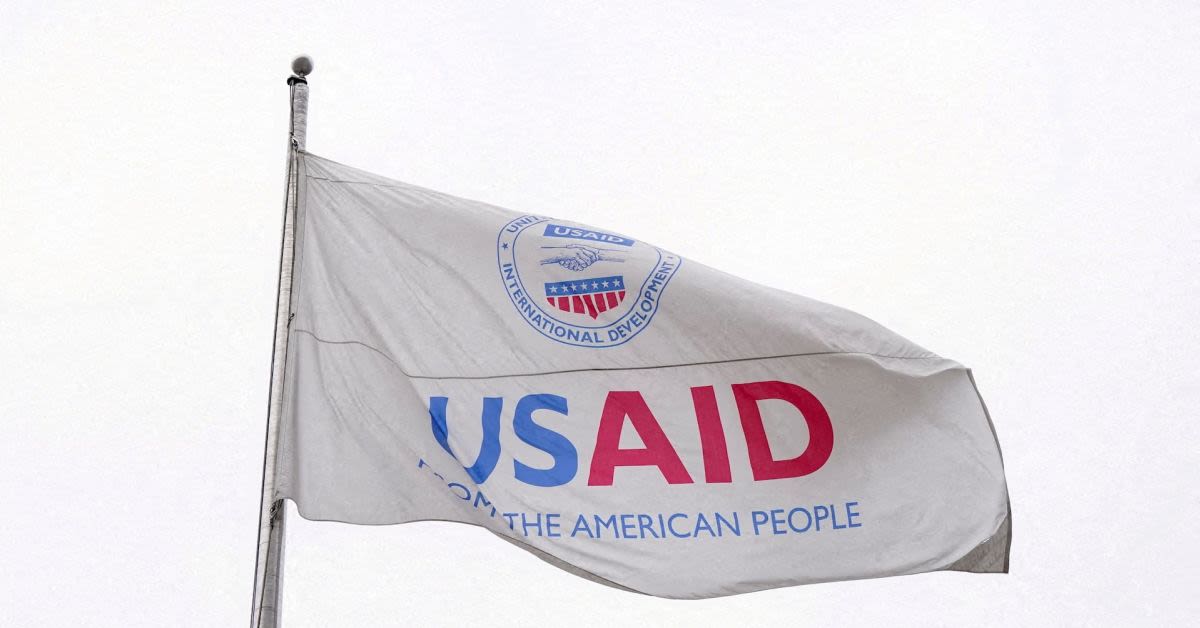
Elon Musk is forcefully rejecting accusations that his cost-cutting overhaul of the U.S. Agency for International Development (USAID) led to deaths in Africa, insisting that zero lives were lost as a result of the reforms.
During a recorded interview with Zanny Minton Beddoes, editor-in-chief of The Economist, the tech magnate was pressed on whether he accepted that any African child had died because funding was cut so abruptly. According to the Daily Caller, Beddoes opened by asking if he acknowledged such a toll, prompting Musk to interject with a single-word reply: Zero.
Beddoes then argued that patients suddenly deprived of antiretroviral drugs would inevitably die without continued treatment, framing the cuts as a life-or-death matter. Musk pushed back, contending that the global aid ecosystem is vast and well-funded, and that tens of thousands of nongovernmental organizations exist to step in when government money shifts.
He cited the Gates Foundation, which he said controls tens of billions of dollars, and philanthropist MacKenzie Scott, whom he described as having already given away tens of billions. Both, he argued, had the capacity to respond rapidly to any shortfall. They are capable of acting very quickly, and if they didnt, I would say theyre equally responsible, Musk told The Economist.
Musk also disputed the notion that USAID money had truly vanished, framing the change as a bureaucratic reallocation rather than a humanitarian abandonment. Also USAID funding was not stopped. It was moved to the State Department, he said, a claim Beddoes challenged by asserting that large numbers of health programs across Africa had effectively gone dark.
He dismissed those accounts in stark terms. There were claims of this. These claims are false. Theyre nonsense. Absolute nonsense, Musk responded, arguing that organizations cut off for fraud would never admit wrongdoing and would instead craft emotional narratives to restore their funding. Obviously, it will be the latter, and thats exactly what they did. But zero died because of DOGE. Zero point zero.
Musk characterized USAID as a political organization and the biggest funder of regime change, echoing long-standing conservative concerns that taxpayer-funded aid is often weaponized for ideological projects abroad. Beddoes, while critical of the speed of the restructuring, acknowledged she had considerable sympathy for the broader overhaul of the aid system carried out under President Donald Trump, objecting only to how abruptly it was implemented. Musk rejected even that limited criticism, saying, I think thats totally false.
He had previously detailed DOGEs role in a March 2025 interview with Fox Business host Larry Kudlow, explaining that his team followed the money and found USAID completely violating the presidents executive orders to suspend foreign aid. Trump created DOGE by executive order on Inauguration Day as a temporary White House body, scheduled to expire July 4, 2026, underscoring the administrations determination to rein in unaccountable foreign spending.
The human cost of those decisions remains fiercely disputed, with critics leaning on projections rather than hard data. Impact Counter, a tracker built by infectious disease mathematical modeler and health economist Brooke Nichols, estimates more than 780,000 deaths in the first year after the cuts, including over 518,000 children, USA TODAY reported, though those figures are based on statistical modeling rather than confirmed case counts.
Legal battles are now unfolding alongside the public debate, as Musk and State Department officials were ordered to sit for depositions in February over the dismantling of the agency, Axios reported. Reflecting on his role in Washington, Musk offered a rare note of self-critique: I think I got a little too involved in politics, he told The Economist. Got carried away, frankly.
Login