
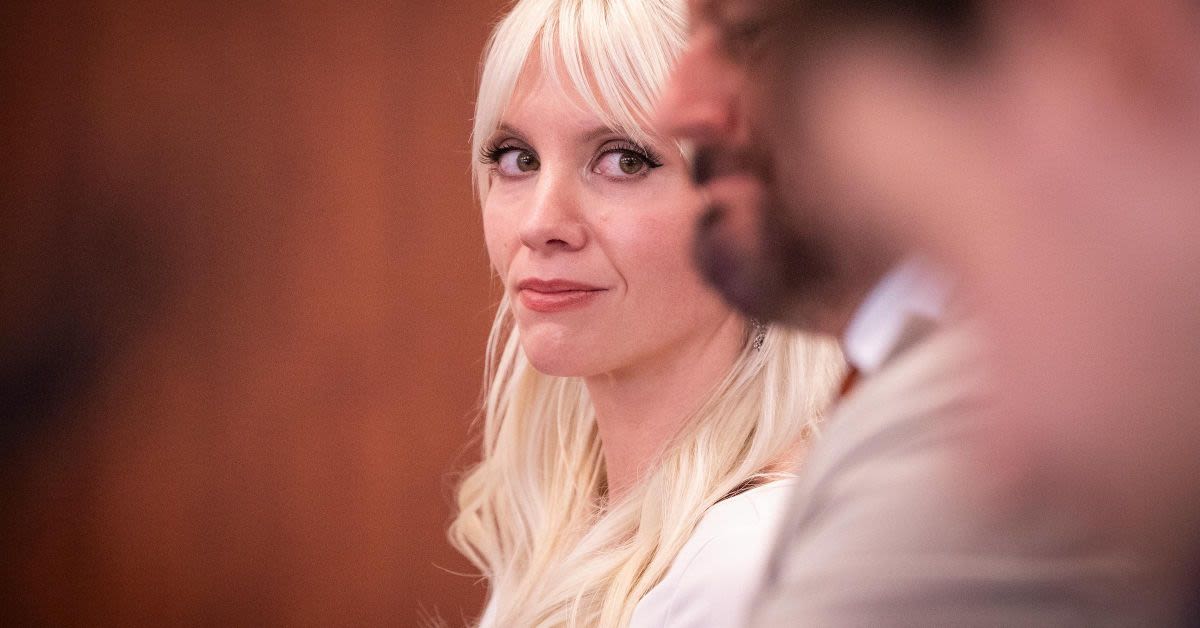
Minnesota mother Shiloh Hendrix, 37, has been convicted on one misdemeanor count of disorderly conduct in a closely watched case that tested the line between protected speech and criminal conduct in President Trumps second term.
According to The Post Millennial, a jury in Olmsted County District Court returned the split verdict after more than nine hours of deliberations, acquitting Hendrix on a second disorderly conduct charge. The outcome underscores how a single viral video can drive a national narrative, even as jurors weigh facts against the backdrop of intense political and cultural pressure.
The case arose from an April 28, 2025, confrontation at Roy Sutherland Playground in Soldiers Field Memorial Park in Rochester, Minnesota, involving Hendrix, her 18?month?old son, and an 8?year?old autistic Somali boy. According to testimony, the child took a packet of applesauce from Hendrixs diaper bag, prompting her to chase after him and call him the n-word, an exchange captured by a bystander whose recording quickly spread online.
As reported by The Post Millennial, Judge Christa M. Daily imposed a stayed 90?day jail sentence, placing Hendrix on supervised probation, ordering 200 hours of community service, and levying a $1,000 fine. The judge instructed jurors on Minnesotas fighting words standard before deliberations, a key legal threshold that distinguishes constitutionally protected speech from punishable conduct.
Throughout the four-day trial, Hendrixs defense framed the prosecution as an overreach that threatened core First Amendment protections, arguing that the state was attempting to criminalize offensive but lawful speech. Prosecutors insisted the case was not about silencing viewpoints, but about whether Hendrixs words and behavior in the charged moment crossed into unlawful fighting words under state law.
Testimony also shed light on what happened after the playground incident, revealing how advocacy groups and social media amplified the story. Jimale, the boys father, testified through a Somali interpreter that he did not immediately contact law enforcement, instead turning to activists only after the video had gone viral.
During cross-examination, Hendrixs attorney established that Jimale first reached out to the Rochester NAACP roughly 10 days later, after the clip had spread on TikTok. According to testimony, the organization then encouraged him to file a police report, illustrating how activist networks can shape the trajectory of local disputes.
Jimale further testified that the Rochester NAACP created a fundraiser for his family once the incident drew national attention and media coverage. According to testimony, that fundraiser was later shut down after another family falsely claimed involvement, and the money was ultimately placed into a trust for his son.
Outside the Olmsted County Government Center, Rochester NAACP President Wale Elegbede characterized the verdict as only a partial victory, saying it was a mixed result because Hendrix was convicted on just one of the two misdemeanor counts. His comments reflected the broader activist push to secure harsher legal consequences in cases framed as racial incidents, even when juries reach more restrained conclusions.
The videos spread across social media turned a local playground dispute into a national flashpoint over race, speech, and due process, with Hendrix and her family quickly becoming targets. Hendrix launched an online fundraiser, stating that her family had been doxxed and threatened, and the campaign ultimately raised more than $800,000 from supporters who saw the prosecution as part of a broader effort to punish speech and intimidate ordinary Americans who run afoul of progressive orthodoxy.
Login