
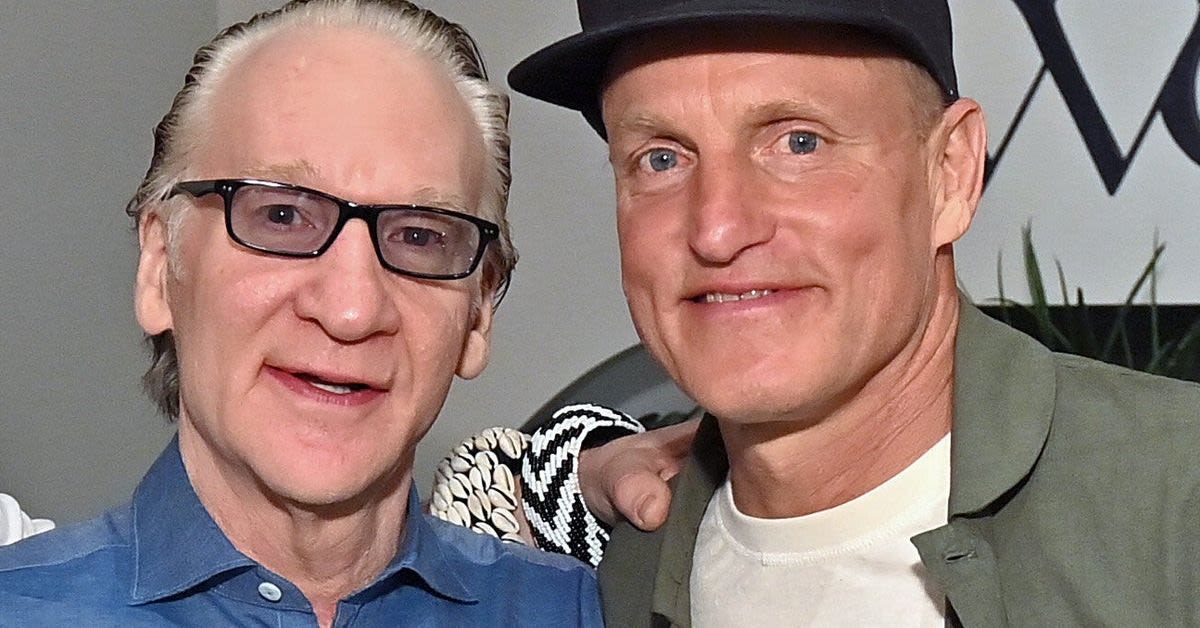
Bill Maher says his high-profile marijuana dispensary with actor Woody Harrelson is struggling to stay afloat under the weight of Californias punishing tax regime.
The longtime comedian and unapologetic cannabis enthusiast used the Monday episode of his podcast to vent about the business climate in the Golden State, according to Mediaite. Reflecting on his partnership with Harrelson, Maher said their collaboration has been limited to the cannabis venture, quipping, I never worked with him, except on a pot store, which loses money.
From there, Maher unloaded on Californias tax structure, arguing that the state has made it nearly impossible for legal entrepreneurs to succeed. Its almost impossible to make a business work in California like that. I mean, just the state takes like 40% taxes. Fuck! he said, adding pointedly, When I bought drugs from a skeezy dealer, he didnt skim 40%!
His guest, British comedian Jack Whitehall, laughed as Maher contrasted his past as a small-time dealer with todays government take. I was a dealer, I did skim a little, Maher admitted. Like I would buy a pound, which is 16 ounces, and make 17 ounces out of it. Okay, thats not 40%! But the government is worse than the dealer.
Maher and Harrelson launched their West Hollywood dispensary, The Woods, in 2022, four years after California legalized recreational marijuana. The opening was cheered by thenLt. Gov. Gavin Newsom, who tried to strike a moderate pose by insisting he was not pro-marijuana, Im just vehemently anti-prohibition.
Legalization triggered a boom in storefronts like The Woods and, predictably, a lucrative new revenue stream for Sacramento. California raked in more than $1 billion in cannabis tax receipts last year alone and has collected nearly $8 billion since 2018, with the combined state and local tax burden on legal operators like Maher and Harrelson reportedly hovering around 40%.
For conservatives, Mahers frustration underscores a familiar lesson: when government sees a new industry, it sees a new opportunity to tax and regulate it into submission. As legal dispensaries struggle under confiscatory rates while black-market dealers face no such burden, Californias approach to cannabis looks less like reform and more like a textbook case of big government strangling the very legal market it claimed to champion.
Login