
With the 2026 midterm elections drawing closer and campaign cash more critical than ever, the Democratic National Committee is quietly moving to conceal the depth of its financial troubles behind a wall of legal paperwork.
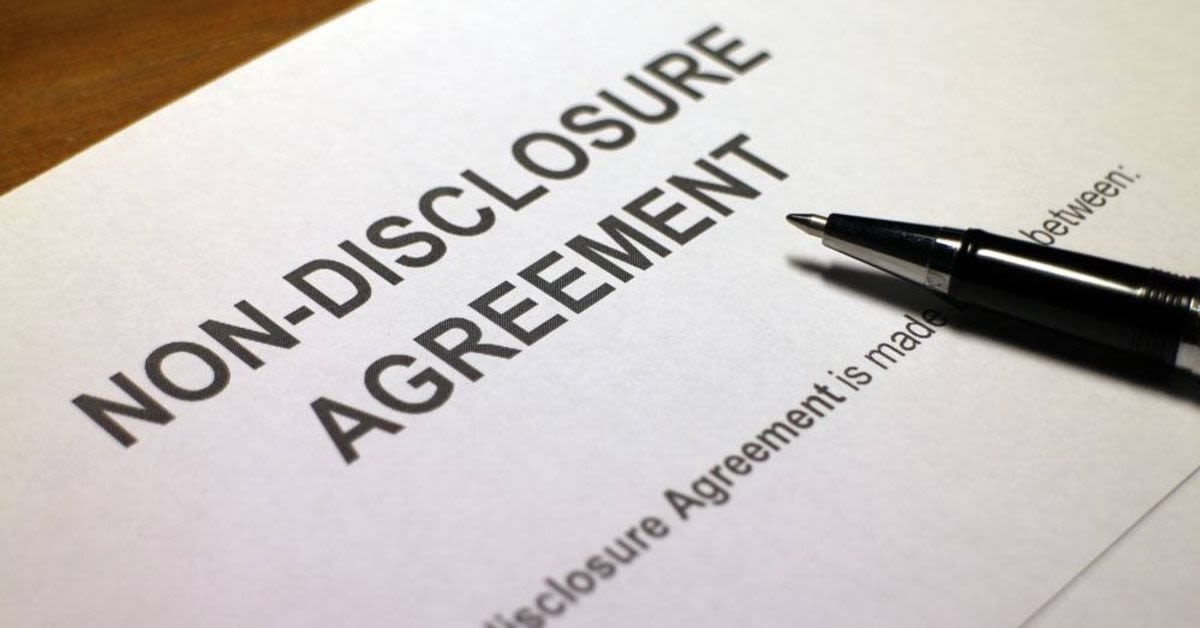
According to Western Journal, the national Democratic apparatus has begun requiring top DNC officials to sign nondisclosure agreements, an unusual step aimed at preventing internal details about the partys precarious finances from leaking to the public or donors. The move, first reported by the Beltway-focused outlet Axios, underscores how seriously party leaders view their money woes as they head into a high-stakes election cycle against a resurgent Republican Party under President Donald Trump.
Axios reported that the NDAs were presented to DNC leaders at a June 25 meeting, a full week before a major Supreme Court ruling reshaped the campaign finance landscape. That June 30 decision struck down regulations dating back to 1974 that had limited how much political parties could spend in coordination with their candidates, opening the door for parties with strong fundraising operations to wield even greater influence.
The ruling comes as major Republican committees head toward the November midterm elections with a significant cash advantage over their Democratic counterparts, Reuters reported at the time. That advantage is already stark: The DNC has nearly $15 million on hand but is $18 million in debt, according to its latest campaign finance filings through the end of May, Axios noted, while the Republican National Committee, by contrast, carries no debt and sits on a war chest of $125 million.
For Ken Martin, the embattled DNC chairman, the numbers have translated into a crisis of confidence among the partys own power brokers. Martin has faced a crisis of confidence among some Democratic donors, operatives and even DNC members over his management of the party, especially given the Republican National Committees enormous fundraising advantage with the Nov. 3 midterms in sight, Axios reported, highlighting the growing unease within Democratic ranks.
The secrecy push comes as Democrats face not only a financial deficit but also an ideological revolt from their left flank. In recent primary contests in New York City and Colorado, candidates backed by the Democratic Socialists of America toppled incumbent Democrats, signaling that lawmakers deemed too moderate are increasingly vulnerable to challenges from radicals within their own party.
That internal insurgency leaves the DNC squeezed between a well-funded Republican operation and a base that is drifting further left, complicating its message to donors and voters alike. While Republicans are poised to capitalize on the Supreme Courts loosening of spending rules, Democrats appear more focused on controlling information than on closing the fundraising gap.
According to Axios, the DNC declined to discuss the specifics of the nondisclosure agreements, but one senior official defended the tactic by invoking corporate norms. Chris Lowe, the DNCs national finance co-chair, insisted that such measures are routine, saying, standard practice in the corporate world.
All senior staff at the DNC are party to confidentiality agreements, and it would be political malpractice not to have them in place when finance and political strategy are being discussed at the highest level, Lowe said, according to Axios. Yet for a party already struggling with donor skepticism, mounting debt, and an energized socialist wing, the decision to tighten the cone of silence around its finances raises an obvious question: if the situation were truly under control, why the sudden need to make sure no one talks about it.
Login