
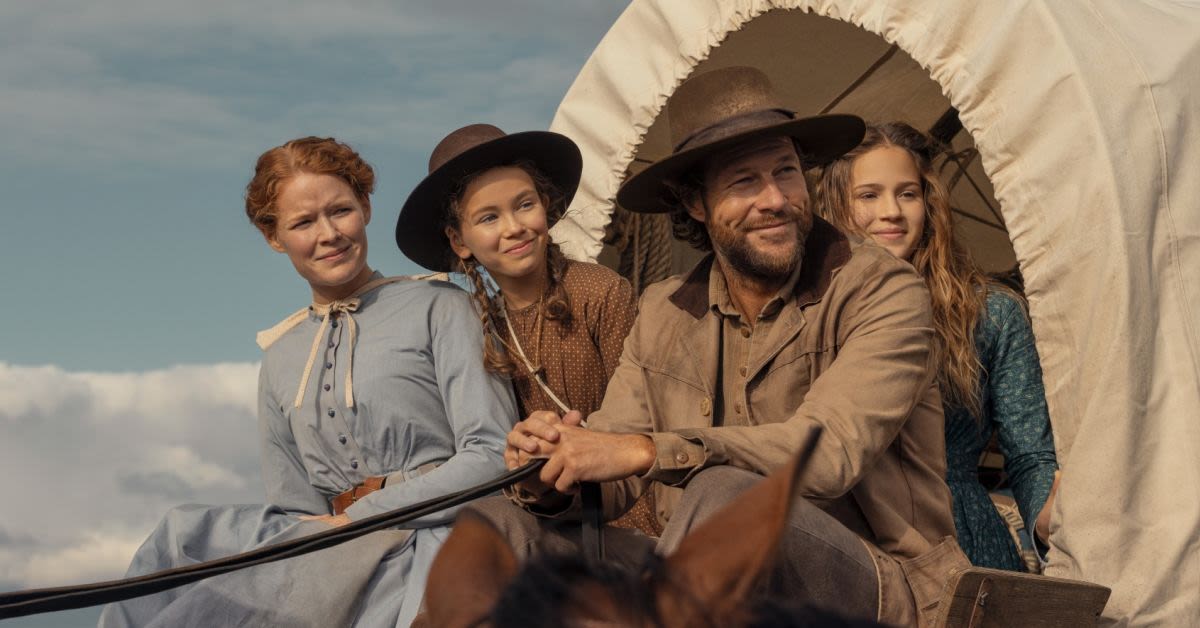
Netflixs new reboot of *Little House on the Prairie* is attracting scrutiny after its showrunner openly declared that the series is designed to move away from traditional portrayals of the American frontier and its rugged, masculine ethos.
According to The Post Millennial, showrunner Rebecca Sonnenshine argued that popular culture has distorted the image of the West by centering it on male heroics and gunfights. "I think a lot of our pop culture portrays the West as men riding around with guns and solving problems with violence and posturing, but that is just not how it was settled," Sonnenshine told Deadline.
"This is not how communities were formed. It was women, they were the backbone of the country, the formation of the country, and so I really wanted to explore that." Sonnenshine said the creative team deliberately sought to avoid what she described as tropes of sort of masculinity."
The reboot draws from Laura Ingalls Wilders classic novels, which inspired the iconic NBC series that ran from 1974 to 1983 and helped shape generations of Americans understanding of frontier life. She added that the series deliberately avoids what she described as traditional masculine tropes.
"We really are trying to do a show that does not fall back on tropes of sort of masculinity, and we're leaning into how women shaped our lives, definitely through Caroline and through White Sun, who are both women who are in interesting marriages of equality," Sonnenshine said. The new production is based directly on Wilder's books rather than remaking the beloved Michael LandonMelissa Gilbert adaptation that many families still cherish.
Sonnenshine noted that the original texts contain relatively little violence, a point she uses to justify the shift away from the classic Western emphasis on conflict and male heroism. Instead, the eight-episode first season, which debuted on Netflix on July 9, centers on family, community, and womens experiences on the frontieran approach that may resonate with modern progressives but will likely leave many traditional viewers wondering why Hollywood is so determined to sideline the very virtues of courage, responsibility, and protective masculinity that helped build the nation.
Login