
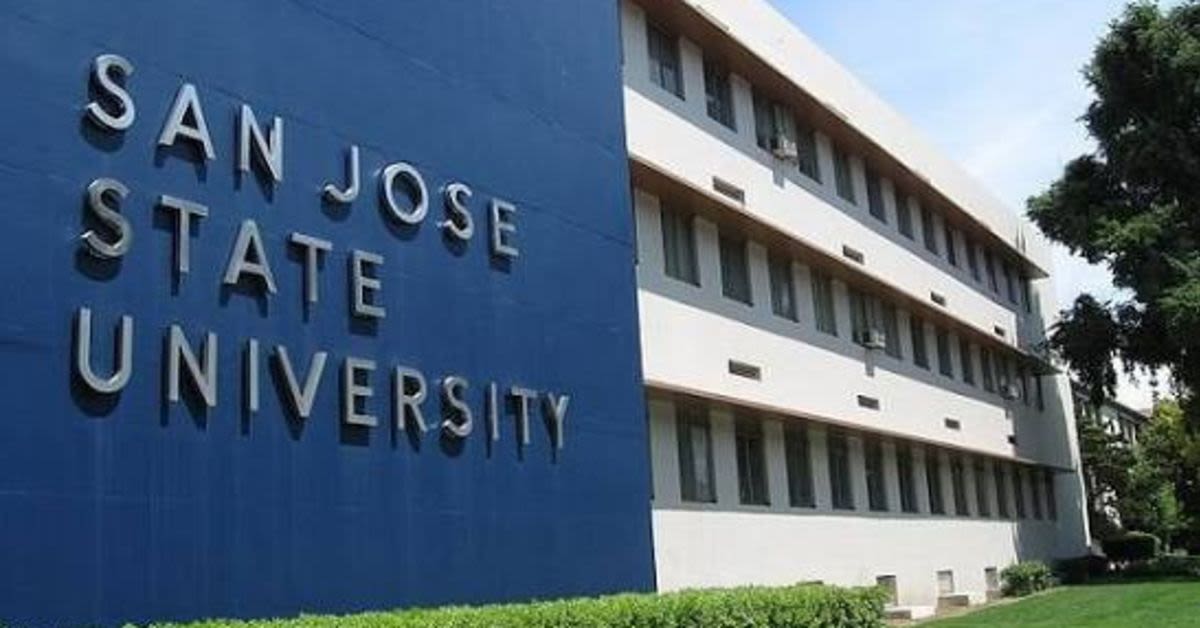
A graduate student at San Jose State University has been taken into federal custody after authorities say he orchestrated a months-long campaign of bomb threats and racist messages that disrupted campus life and stoked widespread fear among students and faculty.
According to The Post Millennial, the US Department of Justice announced that Ziheng Tony Fang, 30, of San Jose, California, has been charged with false information and hoaxes in connection with the alleged threats. Fang, who is pursuing a masters degree in data science at San Jose State University, made his initial appearance in federal court in San Jose on July 10, marking the first step in what could become a high-profile test of how seriously such threats are treated under President Trumps renewed emphasis on law and order.
Federal prosecutors, citing a criminal complaint unsealed this week, allege that Fang authored a series of menacing messages that appeared across the university over several months and were ultimately traced back to him through forensic evidence, surveillance footage, and campus key card data. Investigators contend that this was not a case of idle graffiti but a deliberate pattern of conduct designed to terrorize the campus community and force repeated emergency responses.
One of the most alarming messages, discovered on Nov. 5, 2025, was taped to the wall of a mens restroom inside a plastic sheet protector and began with the chilling warning, WARNING! MASS BOMB NEXT WEEK, accompanied by multiple swastikas. Authorities say Fangs fingerprint was recovered from the paper, a key piece of physical evidence that prosecutors argue directly links him to the threat.
A second message found in the same restroom allegedly escalated the rhetoric further, stating, Kill all Jews, Muslims, Chinks, and Mexicans, followed by, Mass bombing 11/11 and 11/12 guess. The explicit targeting of multiple racial and religious groups underscores the hateful nature of the writings, even as the threats themselves appear to have been hoaxes rather than operational plots.
According to the complaint, the Nov. 5 incidents were only part of a broader pattern that had been unfolding for months. Since October 2024, campus police documented more than 20 hateful and threatening messages in mens and gender-neutral restrooms, many of which threatened attacks on specific dates and referenced bombs, shootings, knives, or other forms of mass violence, with the latest alleged threat discovered on May 14.
Federal investigators assert that Fangs movements closely tracked the appearance of the messages, suggesting a calculated effort rather than random coincidence. Key card records reportedly show Fang entering campus buildings shortly before the discovery of threatening messages in 16 of the 18 instances where electronic access logs were available, with only a facilities employeewhose job required broad accessshowing a wider electronic footprint.
Surveillance footage allegedly reinforces the digital trail, capturing Fang entering and leaving restrooms or restroom areas where several of the messages later appeared, sometimes less than a day before they were found. Prosecutors argue that this combination of physical, digital, and video evidence forms a compelling narrative of responsibility that goes beyond mere presence on campus.
The repeated threats had a substantial impact on campus operations and student life, as administrators scrambled to respond to each new message. According to prosecutors, the presidents office at San Jose State University repeatedly issued emergency emails and text alerts warning students and staff ahead of the dates referenced in the threats, prompting some professors to cancel classes or move instruction online.
The universitys police department and administrators also fielded numerous calls from students and community members who were fearful of coming to campus, reflecting a climate of anxiety that critics say has become all too common when institutions fail to deter such behavior swiftly. On several of the dates identified in the threatening messages, campus buildings became a ghost town, according to the criminal complaint, illustrating how one alleged perpetrator can effectively shut down a public institution through fear alone.
Fang remains in federal custody, charged with making false information and hoax threats as the case proceeds through the courts under a federal system now under pressure to demonstrate that such conduct carries serious consequences. He was scheduled to return to federal court on July 13 for identification of counsel before Chief Magistrate Judge Nathanael Cousins, a hearing that will help determine how vigorously his defense will contest the extensive evidentiary record assembled by investigators.
Login