
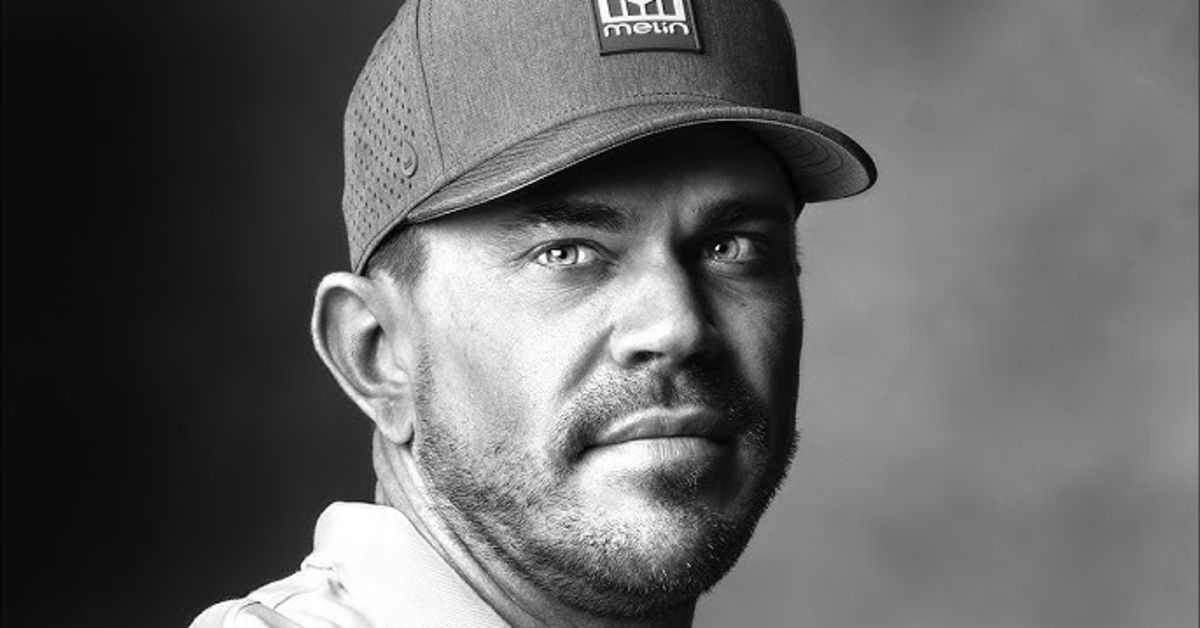
Once known on the streets as the Cocaine Quarterback, former USC football player Owen Hanson now credits President Donald Trumps First Step Act with giving him the chance to reclaim his life and cut years off his federal prison sentence.
Speaking with Lara Trump, Hanson described the moment he learned that his commitment to education behind bars would dramatically reduce his time in custody, a development made possible by the criminal justice reform championed by President Trump and, according to Fox News, enacted with bipartisan support in 2018. I remember when the counselor called me in his office, Hanson recalled Saturday. He said, Owen, you've earned three years off your sentence for going back to school and getting your degree. He said, You also earned another two years of halfway house. And I was like, Wow, you have hope.
Hansons story began far from the prison yard, on the football fields of the University of Southern California, where he played for a powerhouse program and celebrated national championships. But after his playing days ended, he said he spiraled into debt with a Mexican drug cartel, a decision that would cost him a decade of his freedom.
They gave me ultimatum. They said, We're going to either kill you or you're going work for us and pay it back, and I became their logistics coordinator, the signal caller for this cartel that I won't name a name, but I had to work for them, and it cost me 10 years of my life in prison, he shared. That descent into organized crime ultimately landed him in federal custody, where, like many inmates before the First Step Act, he initially expected to serve the vast majority of his sentence with little hope of early release.
The First Step Act, signed by President Trump during his first term, fundamentally altered that bleak calculus by tying sentence reductions to genuine rehabilitation. Hanson said the law transformed the culture inside federal prisons by rewarding inmates who pursued education, job training, and other programs designed to reduce recidivism.
Before the reform, federal prisoners typically anticipated serving at least 85% of their sentences, with only narrow avenues for relief. With the new incentives, Hanson explained, the possibility of earning meaningful time off for good behavior and academic achievement gave men like him a reason to work, study, and plan for a future beyond the cellblock.
Hanson took full advantage of those opportunities, ultimately earning a masters degree while incarcerated and preparing himself for a very different kind of leadership role on the outside. Today, he speaks to student-athletes about the perils of drugs, crime, and easy money, using his own fall and redemption as a cautionary tale.
It's a very humbling experience, and in the beginning, when the judge sentenced you to nearly two decades in prison, and they tell you it's time to rehabilitate, you kind of wonder, and you look at yourself in the mirror while you're in your prison cell and maybe the judge is doing me a favor, he said. And I tell people [that] prison's the best thing that could have happened to me, [it] saved my life. [I was] able to get sober, get my master's degree, come out and help others is like the biggest flex for me.
For conservatives who have long argued that justice reform should emphasize personal responsibility, redemption, and incentives over bureaucracy and leniency for its own sake, Hansons experience offers a powerful validation of President Trumps approach. His journey from cartel signal caller to mentor underscores how a law grounded in accountability and opportunity can turn even a Cocaine Quarterback into a living argument for second chances and the enduring value of tough but constructive justice.
Login