
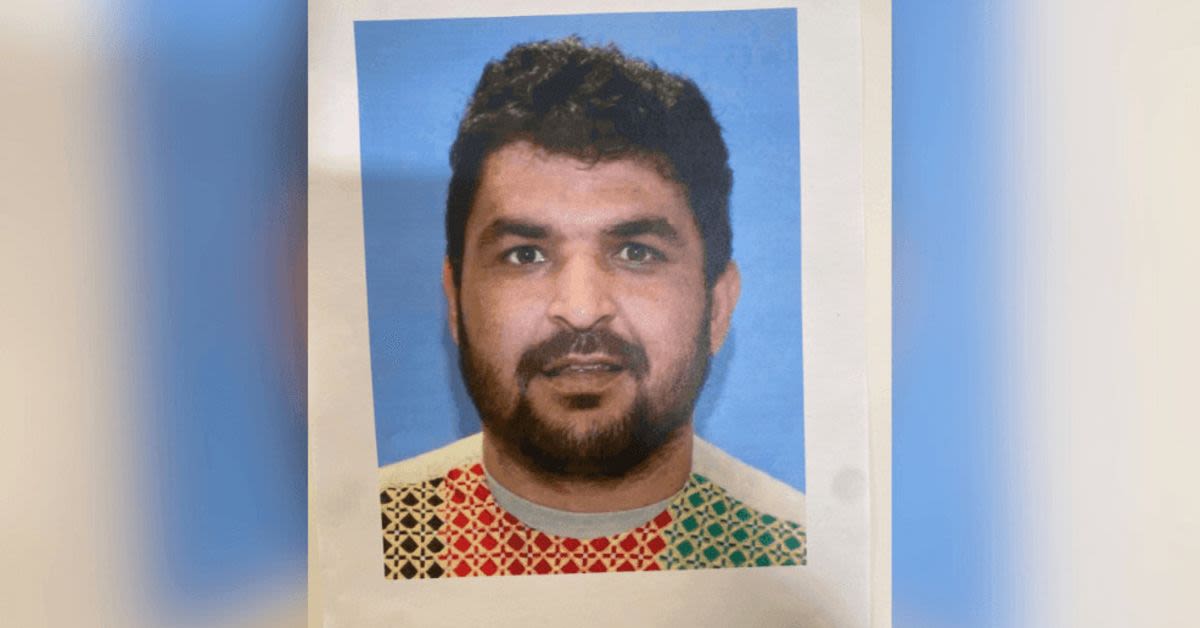
An Afghan national charged with murdering a National Guard soldier and wounding another near the White House has been moved from prison to a hospital after refusing food and water, raising new questions about security, accountability and the handling of high-risk foreign nationals on U.
S. soil.
According to Fox News, federal prosecutors informed the court that Rahmanullah Lakanwal was hospitalized shortly after midnight on Wednesday in an effort to "preserve his life." This followed a June warning from the U.S. Marshals Service (USMS) that Lakanwal had been refusing to "consume adequate nutrition for an extended period," prompting fears that his actions could amount to a slow-motion suicide attempt under government supervision.
USMS officials told the court they believed Lakanwal had placed himself "at risk for long-term health consequences, including a potential risk of death," underscoring the severity of his self-imposed condition. In an emergency hearing late Thursday morning, D.C. District Judge Amit Mehta described the accused killers state as "dire" and "self-inflicted," according to a transcript obtained by The New York Times.
Lakanwal, 30, stands accused of killing West Virginia National Guard Specialist Sarah Beckstrom and gravely injuring Guardsman Andrew Wolfe in a shooting near the White House last November. He faces 17 charges, including first-degree murder, a capital offense that makes him eligible for the death penalty and places the case at the center of a broader debate over justice, deterrence and national security.
In the latest filing, prosecutors told Judge Mehta that on June 16, 2026 the day Lakanwal entered a not guilty plea to all counts they learned of a protective order that "prohibited the government from receiving medical records concerning Lakanwals treatment." The judge has now ruled that prosecutors are entitled to access Lakanwals medical records and speak with his treatment providers for "the duration of his current hospitalization," ensuring the government can monitor the condition of a defendant facing the most serious of charges.
Lakanwal made his first court appearance last month, many months after the Washington, D.C., attack that shocked the nation and highlighted the vulnerability of American service members even on domestic duty. He appeared in an orange prison jumpsuit and sat in a wheelchair, a stark image of a man accused of unleashing lethal violence on those sworn to protect the country.
Court records state that on November 26, Lakanwal allegedly drove his Toyota Prius from his residence in Bellingham, Washington, to the nations capital while carrying a stolen firearm. Prosecutors say he then opened fire on West Virginia National Guard members, shooting Beckstrom and Wolfe in the head before two nearby Guardsmen subdued him at the scene.
Investigators reportedly recovered a .357 Smith & Wesson revolver that had been reported stolen in Seattle in 2023, raising further concerns about lax enforcement and the ease with which dangerous individuals can arm themselves. Officials said Beckstrom succumbed to her injuries on Thanksgiving, while Wolfe continues a difficult recovery from the wounds he suffered in the line of duty.
Specialist Beckstrom was posthumously awarded the West Virginia Distinguished Service Medal, a recognition of her sacrifice that resonates deeply in a state with a proud military tradition. Wolfe was recently honored with the "Freedom 250: Hometown Hero Award," and both soldiers received the Purple Heart from President Donald Trump in February, a solemn reminder that America still produces heroes even as it struggles to confront the threats allowed within its own borders.
Login