
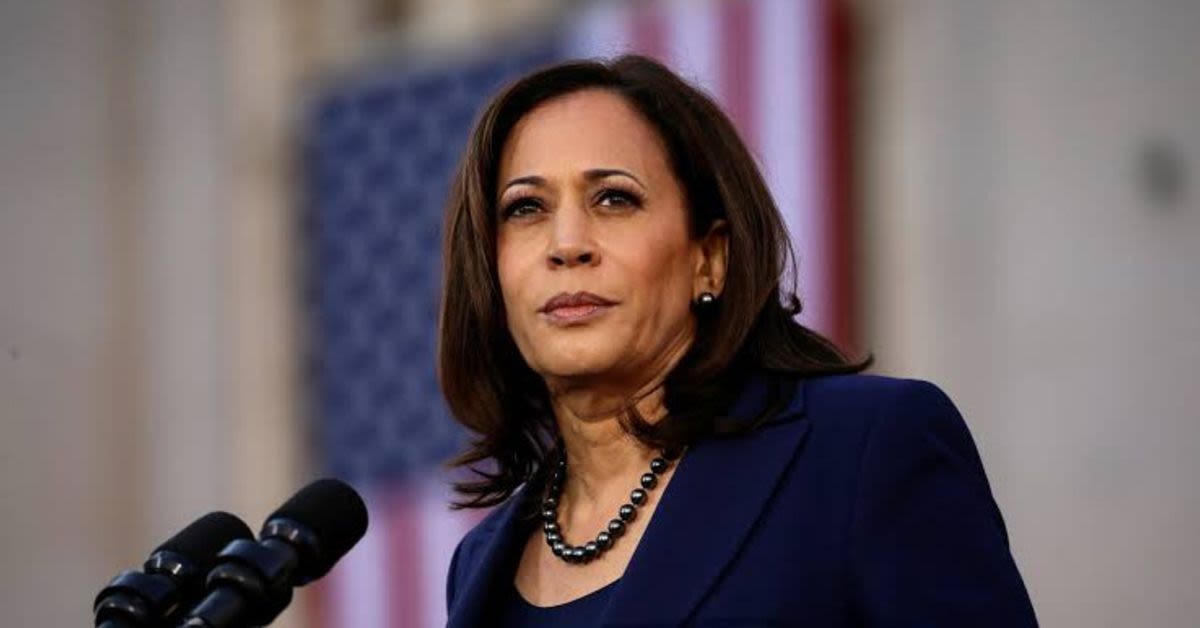
The American left is still busy fantasizing about a world where Kamala Harris sits in the Oval Office, and nowhere is that more obvious than in a recent piece from Salon imagining a Fourth of July in Kamala Harris USA.
.
According to Gateway Pundit, the far-left outlet chose the nations 250th birthday as the perfect moment to publish a political daydream about how Independence Day would look if Harris had won the 2024 election and now served as commander in chief. The article, presented as a serious exercise in alternate history, instead reads like unintentional satire, revealing more about progressive wish-casting than about the country they claim to understand.
Salon opens by declaring, Since Donald Trump has turned our nations 250th anniversary into a celebration of himself complete with grift lets imagine a Fourth of July that might have been. In this imagined timeline, the 2024 presidential election ended differently. Vice President Kamala Harris was elected the 47th president of the United States. Two years later, the nation is still marked by political polarization and economic uncertainty. On July 4, 2026, America celebrates 250 years since the signing of the Declaration of Independence.
The writer insists that perhaps the most striking feature of this alternate 2026 is tonal, and then leans heavily into the notion that Harris would somehow rehabilitate patriotism for the left. The central theme of Harris speech at the 2024 Democratic National Convention was Take Back the Flag, a message she had touted since her days serving as a senator from California. Since her closing argument during that campaign emphasized turning the page on division, its safe to say that unity in the name of patriotism would be her paramount goal during the festivities.
That premise collides immediately with reality, where poll after poll shows Democrats struggling to express even basic pride in the United States during its semiquincentennial. The idea that a Harris presidency would suddenly transform a party steeped in grievance politics and historical revisionism into a flag-waving, unapologetically patriotic movement is not analysis; it is pure fiction dressed up as commentary.
The fantasy grows even more detached from memory when the piece describes Washington under Harris. Back in Washington, D.C., the atmosphere feels less like a presidential production and more like a national family reunion. Instead of the protective fortification of concrete barriers and razor wire, the National Mall is marked by a sprawling, deliberate openness. Readers are apparently expected to forget who ringed the capital with fencing, barricades, and troops after the 2020 election, turning central Washington into something that resembled a Cold War security zone.
The imagined Harris White House is then portrayed as using Independence Day as a technocratic progress report. The Harris administration would treat the Fourth as a civic report card: Here is what the country has done, here is who has benefited and here is what still needs fixing before the 300th. In that world, fireworks might be accompanied by announcements about climate resilience projects or summer meal expansions for children. The line fireworks might be accompanied by announcements about climate resilience reads less like a celebration of American liberty and more like a bureaucratic briefing, subordinating national pride to the latest progressive policy agenda.
What emerges from Salons alternate universe is not a serious exploration of national unity but a revealing glimpse into a left-wing mindset that cannot imagine a Fourth of July unmoored from climate sloganeering, social programs, and ritual denunciations of President Trump. While President Trumps second administration focuses on restoring economic strength, border security, and a confident national identity, his critics are busy scripting fan fiction about a Harris presidency that voters decisively rejected, underscoring just how far removed progressive media have become from the country they claim to speak for.
Login