
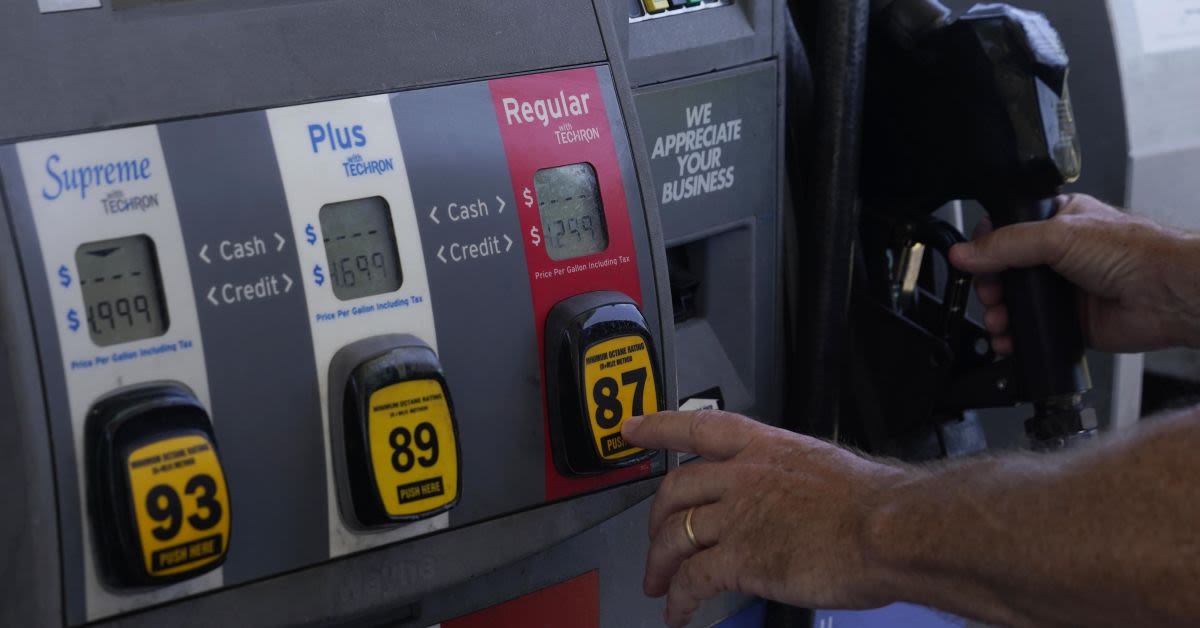
Gas prices across the United States are falling sharply just days after President Donald Trump publicly warned oil companies to stop what he called profiteering at the pump.
According to Western Journal, Trump used his Truth Social platform on June 24 to accuse major energy firms of failing to pass along lower crude costs to American drivers. The big Oil Companies are not dropping their price at the pump commensurate with the sharply lower prices they are paying for Oil, he wrote, adding that a federal probe into alleged price gouging could be launched if the industry did not respond.
By Monday morning, Trump was already touting the apparent impact of his pressure campaign on what he has long called Big Oil. GAS PRICES COMING DOWN, FAST! REPORT ANY ABUSES AT RETAIL LEVEL!!! he posted, urging consumers to stay vigilant and call out stations that might still be overcharging.
In a separate Truth Social message, Trump highlighted the drop in benchmark crude prices, tying it to his broader foreign policy stance. He noted that the price of West Texas Intermediate crude oil was $69, and heading down. This is less than it was prior to the start of the Denuclearization of Iran!
Market analysts have confirmed that the recent trend is indeed moving in favor of motorists, particularly in parts of the country that often bear the brunt of higher fuel costs. Patrick De Haan, an analyst at GasBuddy, pointed to significant regional declines, writing on X that West Coast seeing some nice drops to average gas prices- some of the largest drops have been in the West.
Data from AAA underscored the scale of the recent slide, even as prices remain elevated compared with last year. The group reported that the national average for a gallon of regular unleaded stood at $3.86 on Monday, down from $4.39 a month earlier, though still higher than a year ago.
GasBuddys own figures painted a similar picture of swift relief at the pump. The company said Monday that average gasoline prices had fallen 55.6 cents over the past month nationwide, a notable shift after years of inflationary pressure that has squeezed working families.
Average gasoline prices fell in 46 states over the last week, with diesel declining in 49, pushing the national average to its lowest level since mid-March, De Haan said, describing a broad-based retreat in fuel costs. He emphasized that this occurred despite geopolitical turbulence that could easily have driven prices higher.
The declines came despite a turbulent week, as fresh attacks were traded between the U.S. and Iran before both sides agreed to halt hostilities just in time Sunday, preventing what could have been a significant spike in oil prices, De Haan continued, suggesting that diplomatic restraint helped shield American consumers. His comments underscored how quickly global tensions can translate into pain or relief at the pump.
Looking ahead, De Haan cautioned that while the overall direction appears favorable, volatility remains a constant risk. For now, GasBuddy anticipates the national average will continue drifting lower this week, though the situation remains anything but predictable. A handful of price-cycling states could see prices jump ahead of the July 4 holiday, while many states that already cycled higher last week should see prices fall back down, he said.
He further warned that Irans behavior could still disrupt Americans summer travel plans if hostilities flare again. Motorists in non-cycling states are likely to see continued relief, but the fragile nature of the U.S.-Iran situation means the outlook could shift quickly.
From a broader market perspective, some analysts see encouraging signs in global shipping and production patterns, even as they acknowledge lingering uncertainty. Giovanni Staunovo, a UBS commodities analyst, observed that Since the signing of the Memorandum of Understanding, we saw an uptick in ships crossing the Strait, with stranded ships suddenly becoming available and providing a wave of new supply. More importantly, ships are moving into the Gulf, as that is required to see production recovering in the Middle East, a process that could take longer and support prices again, he said.
For American consumers, the current reprieve highlights how energy policy, foreign affairs, and corporate behavior intersect in ways that directly affect household budgets. Trumps willingness to publicly confront oil companies over pricing, combined with a temporary easing of tensions with Iran and improved supply flows, has created a window of relief that underscores the importance of strong leadership, energy independence, and a market environment that serves drivers rather than political agendas.
Login