
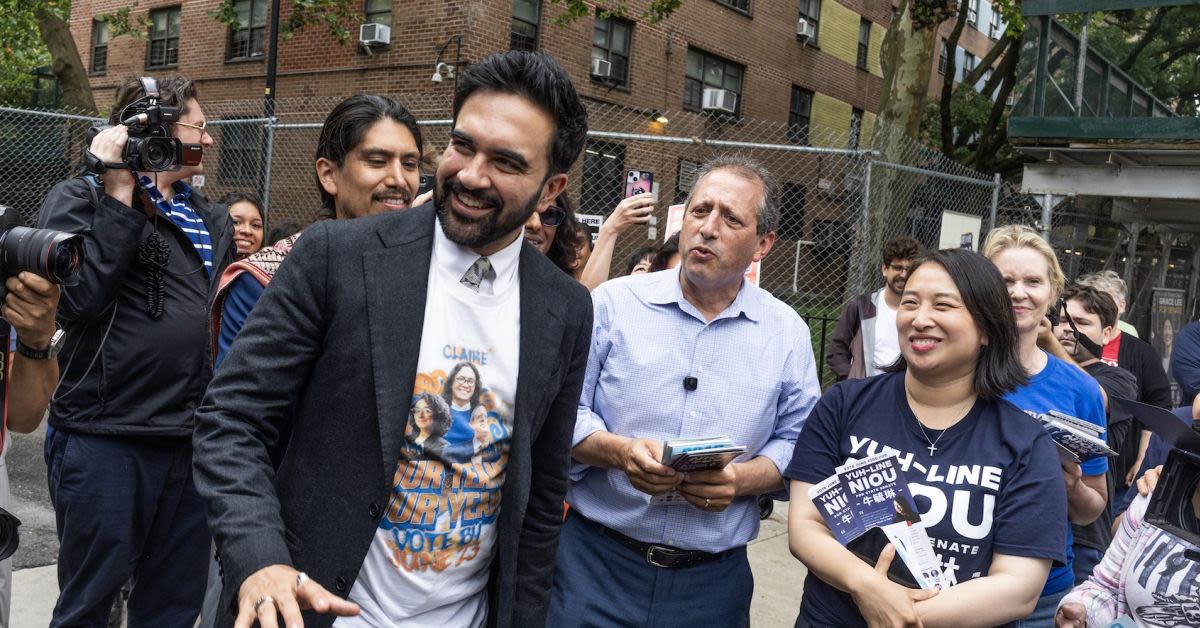
New York Citys Rent Guidelines Board has imposed a sweeping rent freeze on more than a million rent-stabilized apartments, cementing a major political victory for the citys socialist mayor while raising fresh alarms from property owners about the future of the housing stock.
According to The Post Millennial, the Board met on June 25 and voted to bar any rent increases on one- and two-year leases for rent-stabilized units, which make up roughly 44 percent of the citys 2.3 million apartments. The measure passed 71 after one landlord representative resigned ahead of the vote, leaving only a single dissenting member on the nine-person panel, six of whom were appointed by Mayor Zohran Mamdani.
Mamdani, who campaigned on aggressively expanding tenant protections and curbing landlords ability to raise rents, celebrated the outcome as a landmark achievement. "This is a historic victory for New York City tenants. After reviewing the data and hearing from New Yorkers across the city, the independent RGB has delivered a freeze on one-year leases, and the first-ever freeze on two-year leases in our citys history."
The mayor has also pledged to go even further by seizing private property from landlords who fail to complete mandated repairs or pay assessed fines, a policy that critics say edges disturbingly close to outright government expropriation. Landlords warn that with operating costs rising and rents now locked in place, many buildings will struggle to fund basic maintenance, potentially triggering the very violations and penalties that could open the door to property seizure.
Each year, the Rent Guidelines Board sets allowable rent increases for rent-stabilized apartments, and this year it recommended a 0 percent hike for both one- and two-year leases. The decision came despite the Boards own April report showing that "rent-stabilized housing insurance soared 10.5% in 2026 year over year, while fuel and maintenance rose 11% and 6%, respectively," the NY Post reports.
Landlord representative Christina Smyth, who had served on the Board since 2022, resigned days before the final vote, denouncing the process as politically rigged. She wrote to her colleagues that the board had "stopped being a fact-finding body" and added, "This rebuilt board was required to deliver a rent freeze. Everything since has been theater."
In a longer statement posted to her LinkedIn page, Smyth said, "I resigned today because this process is broken. I have had no problem in the past with my vote being on the losing side. It has already happened during my five-year tenure. I cannot in good conscience validate a process I believe is completely unjust. Owners and tenants deserve better."
Board Chair Chantella Mitchell, appointed by Mamdani in February, rejected Smyths criticism and defended the Boards work as impartial and data-driven. "I want to take this opportunity to affirm the independence with which this years board members have served, along with the rigor and integrity demonstrated by the RGB staff in preparing and presenting data," she said, before proceeding with the vote that only former Mayor Eric Adams appointee, Arpit Gupta, opposed.
Outside the Board, industry leaders condemned the freeze as economically reckless and detached from financial reality. "The Rent Guidelines Board ignored its own data and made a terrible decision tonight. Older rent-stabilized buildings are already struggling under rising operating costs, yet the Board chose to disregard those realities," said James Whelan, president of the Real Estate Board of New York.
Whelan warned that the policy will inevitably undermine the very housing it purports to protect. "This decision will mean less investment in maintenance and repairs, accelerating the deterioration of the housing stock that millions of New Yorkers call home. Tonights vote may be politically popular, but it will make New Yorks housing crisis worse," he said.
Behind the political rhetoric lies a tax and cost structure that already places heavy burdens on building owners, particularly those operating older, rent-stabilized properties. Landlords of apartment buildings pay 12.5 percent in property taxes on a market value determined by the Department of Finance, which can assess value based on past sales, replacement cost, ormost commonly for apartment buildingsan income-to-expense ratio, taxing 45 percent of the estimated market value.
Insurance costs alone typically range from $300 to $600 per unit, meaning that a 72-unit building can face an annual insurance bill of roughly $42,000 before even accounting for taxes, fuel, and maintenance. Mamdani has floated a government-backed solution, proposing a City-supported insurance program and issuing a Request for Expression of Interest from "insurance brokers, captive managers, insurance carriers and reinsurers, third-party administrators, actuarial and risk advisory firms and other entities capable of operating at this scale who want to take this on."
For critics, that proposal underscores a familiar pattern: government policies that first squeeze private actors, then justify expanded state intervention when predictable problems emerge. With rents frozen, costs climbing, and the threat of property seizure looming over noncompliant owners, New York is embarking on a high-stakes experiment in top-down housing control whose real costs may only become clear as buildings age, repairs are deferred, and tenants discover that political victories do not always translate into livable homes.
Login