
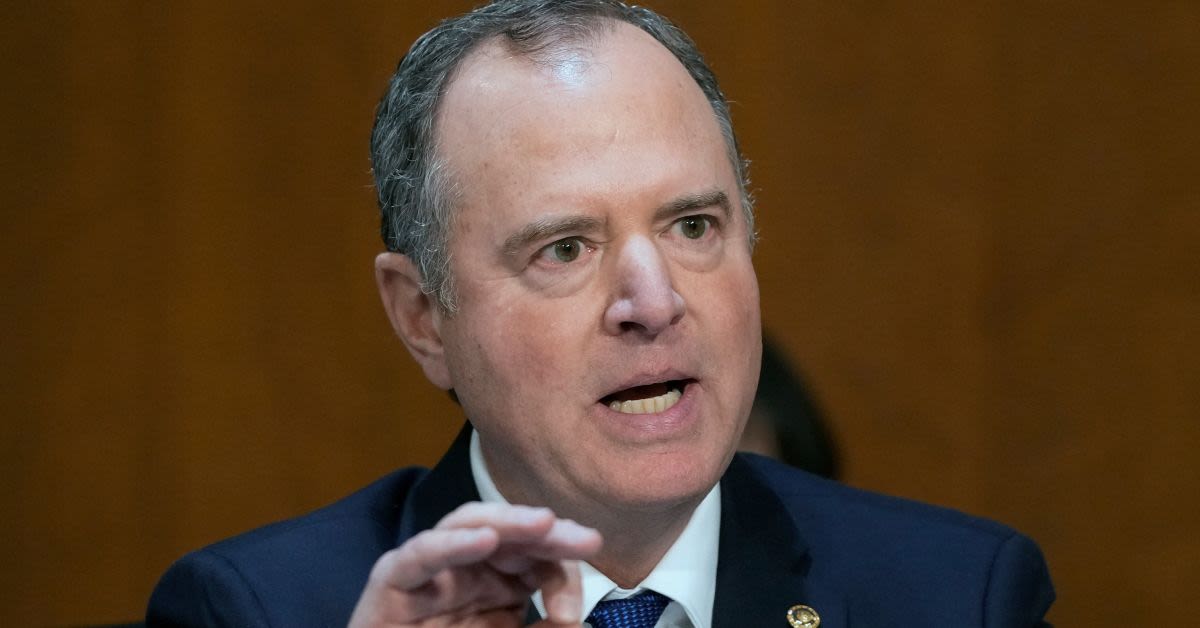
Hollywoods long-declining grip on the entertainment industry is now prompting Democratic lawmakers to demand that taxpayers rescue an industry that has spent years driving jobs and investment away through its own policies and priorities.
According to Gateway Pundit, insiders in the film business now openly worry that Los Angeles is turning into the next Detroit, as studios shift movie and television production to states and countries with fewer regulations and more favorable tax climates. Rather than address the underlying issues of high costs, union rigidity, and progressive governance, Rep. Adam Schiff and his allies are pushing for a federal tax subsidy that would effectively force Americans nationwide to underwrite Hollywoods self-inflicted decline.
The proposal is straightforward: Washington would offer federal tax credits for film and TV production, a bailout in all but name. Schiff, a California Democrat, told Variety that In order to save this industry in America, we need to be competitive with tax credits, adding in March that he had largely drafted a bill but needed bipartisan support.
The industrys troubles are not a mystery to those who work in it. Los Angeles has been the worlds entertainment capital for 100 years and still has an unmatched concentration of talent and infrastructure, Gene Maddaus writes at Variety, yet he concedes that in an age of globalization, with easy international travel and communication, the city is losing its edge.
While Hollywood remains synonymous with show business, fewer productions are actually filmed there, as studios increasingly seek out cheaper, more business-friendly locations. The core issue, as Maddaus notes, is cost: Everything costs more in L.A., starting with labor, due to the high cost of living and elaborate union agreements, and Other states and countries have developed crew bases of their own, are more solicitous of producers needs and offer more generous incentives.
Instead of reforming local policies, cutting red tape, or confronting powerful unions, Schiffs answer is to spread Hollywoods pain to taxpayers in states that have nothing to do with the industry. For many Americans, the response is simple: How about no?
If Los Angeles and Hollywood truly wanted to revive their fortunes, they would start by changing leadership and policy, not by demanding federal favors. As critics have quipped, If Los Angeles and Hollywood really wanted to same themselves and the film industry, electing Spencer Pratt as mayor of LA would have been a good start, and having failed that test, they now expect the rest of the country to pay the bill, even though Taxpayers from other parts of America should not be expected to fix this problem.
Login